Top 10 CIJ Printer Manufacturers for Global Buyers
Choosing a CIJ Printer is not just a brand decision. It affects uptime, code clarity, maintenance workload, and the true cost of each production shift. A line marking chilled bottles faces different demands from one printing on dusty cartons. Ink adhesion, print speed, washdown exposure, and operator training all matter. So does local service. A technically impressive machine can still disappoint when spare parts take weeks to arrive.
Quality expert W. Edwards Deming is widely associated with the principle, “Quality is everyone’s responsibility.” That idea applies here, though it is a quality-management principle, not a CIJ-specific endorsement. Buyers should assess the printer, the supplier, and the support network together. This guide compares ten manufacturers for global buyers, focusing on application range, usability, reliability, service access, and ownership considerations. Look closely at the details: a clear interface, accessible filters, and dependable ink supply can shape daily performance. Small things matter.
No shortlist fits every plant. Published specifications also cannot replace a real production trial. Ask vendors to test your substrate, code, line speed, and cleaning routine before you commit. Weigh the evidence, and question attractive claims. That extra check may feel slow. It can prevent a costly mismatch.
What Continuous Inkjet Printing Is and How It Works
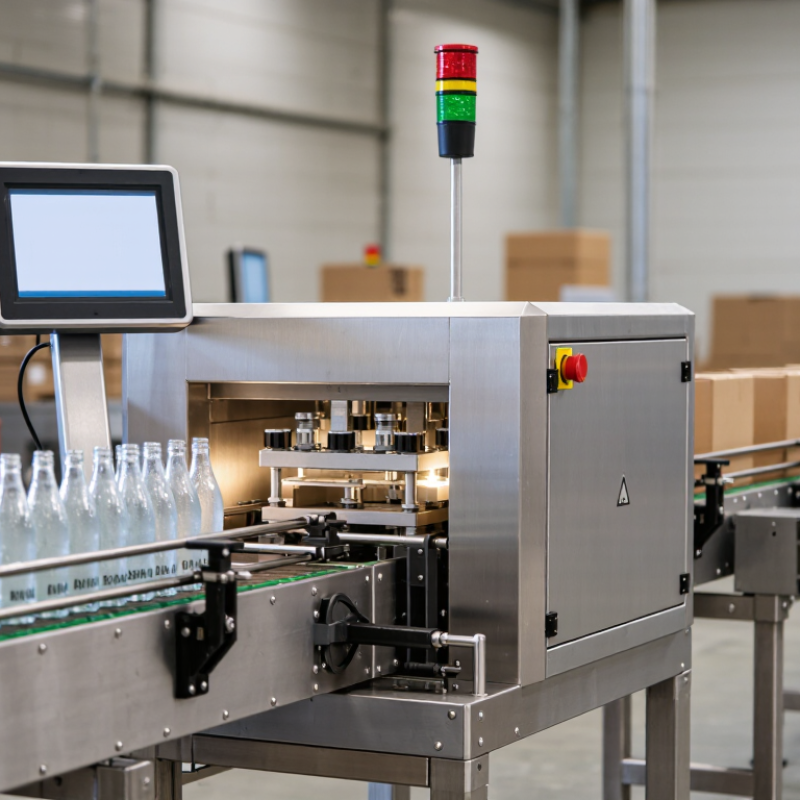
Continuous inkjet (CIJ) printing marks products without touching their surfaces. A pump pushes ink through a tiny nozzle, while controlled vibration breaks the flowing stream into droplets. As droplets form, an electronic system assigns charges to selected ones. Deflection plates then guide those drops toward the product, creating letters, dates, or codes. Uncharged droplets enter a gutter and return to the ink system.
That continuous loop helps CIJ printers work at high line speeds and across uneven surfaces, such as curved bottles or moving cartons. In practice, print quality depends on more than the printer itself. Ink viscosity, nozzle cleanliness, product distance, and line vibration can all affect the result. A technician should test the actual substrate and operating conditions before choosing a setup. Even a small change in conveyor speed may alter how marks appear. It is easy to overlook that.
CIJ systems often use fast-drying inks, so operators need to follow handling and maintenance instructions carefully. Regular checks of the nozzle and ink condition can reduce missed or blurred marks. A useful evaluation includes readability, drying time, and service access—not just maximum speed. The ideal setup rarely looks perfect on paper; real production trials may reveal trade-offs that specifications do not show.
How Continuous Inkjet (CIJ) Printing Works
A five-step overview of the CIJ printing process for global buyers.
CIJ printers continuously circulate ink and form it into droplets. Droplets selected for printing are electrically charged and deflected toward the product; unused ink returns to the system. The bar values indicate sequence only, not performance or market comparisons.
How Global Buyers Can Evaluate CIJ Printer Manufacturers
Choosing a continuous inkjet printer manufacturer takes more than comparing headline speed or machine price. Ask for a live demonstration using your actual packaging material, such as a curved bottle or a dusty carton. Check whether small characters stay legible at your production line’s real speed. Then pause the line, restart it, and inspect the first prints. Small details matter.
Request written specifications for supported inks, print height, operating conditions, and routine maintenance. Ask who provides local technical support and how quickly common spare parts can be supplied. A low purchase price can become expensive if a printer sits idle while a part travels. Get a clear estimate of ink and solvent use for your expected print volume, not just an ideal test run. Brochures rarely show the full picture.
Compare manufacturers on evidence, not confidence alone. Request customer references from businesses with similar line speeds and packaging conditions. Review the warranty, training plan, service terms, and documentation before signing. Confirm that sample codes and system records can be checked by your own team. I would be cautious about promises that lack measurable test results. Still, no checklist catches every production surprise; real-world trials can reveal issues that a neat showroom cannot.
How Leading CIJ Brands Differ in Technology and Applications
Continuous inkjet (CIJ) systems differ less by headline speed than by how reliably they print on real production lines. One plant may code warm plastic bottles; another marks dusty cartons in a humid room. Compare nozzle design, ink compatibility, solvent use, and printhead protection—not just advertised uptime. Small details matter.
Grand View Research’s Coding and Marking Market analysis estimated the global market at about US$8.5 billion in 2023, with a projected 5.4% compound annual growth rate from 2024 to 2030. This covers multiple coding technologies, not CIJ alone, so it signals demand rather than proving one printer type will win. That distinction is easy to miss. For buyers, application fit remains more useful than market size.
Leading CIJ systems typically separate themselves through service access, fluid management, and controls. A quick-change filter can reduce intervention time, while stable ink delivery helps keep characters legible on curved containers. Ask suppliers for test prints using your actual substrate, line speed, and cleaning routine. Also check how quickly operators can clear a blocked nozzle. A demo on a clean sample is not the factory floor. Even detailed comparisons have limits: ink performance can shift with temperature, ventilation, and maintenance habits. Test before committing.
Factors to Check Before Choosing a CIJ Printer Supplier
Top 10 CIJ Printer Manufacturers for Global Buyers
Before choosing a continuous inkjet (CIJ) printer supplier, check whether its team understands your production line, not just the machine specifications. Ask about print speed, substrate compatibility, and performance in dusty or humid areas. A clear answer should include operating conditions and practical limits. Request a sample printed on your own packaging material. Inspect small characters, contrast, and drying time under normal line speed. A showroom test may look different from a busy shift.
Tips: Ask for evidence. Request a written service response time, operator training details, and a list of commonly needed consumables. Check whether replacement parts are available locally and how support works outside business hours. Small details matter. Try a maintenance task yourself during a demonstration, such as cleaning the printhead. It may reveal how much downtime routine care requires.
Compare suppliers using total operating costs, not only the purchase price. Include ink, solvent, scheduled maintenance, and expected production interruptions. Ask for references from facilities with similar packaging and output volumes, then verify the claims where possible. Also review warranty terms and installation responsibilities before signing. One point is easy to miss: even a capable printer can disappoint if staff lack training. I would leave time for a real production trial; a short demo cannot answer every question.


 Distributors
 SDS Download
 Contact