What is a Wifi Smart Switch and How Does It Work?
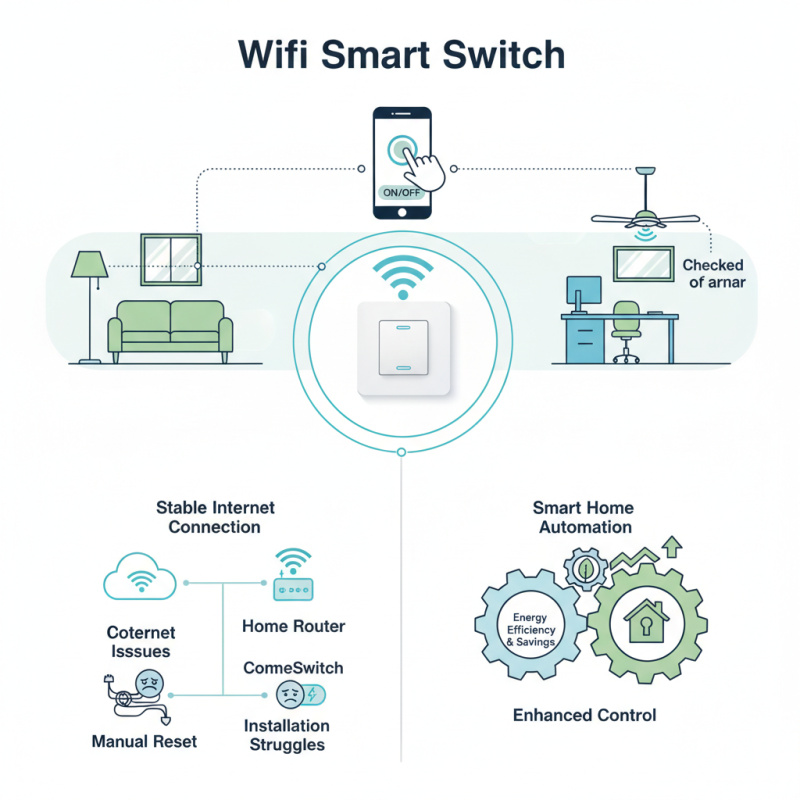
In today’s tech-savvy world, a Wifi Smart Switch has become a vital addition to many households. This innovative device enhances the convenience of daily life by allowing users to control their lights and appliances remotely. Imagine being able to turn off the lights from your smartphone while lying on the couch or checking if you left the fan running from the office.
A Wifi Smart Switch operates through a stable internet connection. It connects to your home network, enabling control via a mobile app or voice commands. This integration is impressive, but it’s important to acknowledge the occasional connectivity issues that can frustrate users. Sometimes, the switch may need a manual reset during an outage.
The ease of installation can also be misleading. While many find it straightforward, others can struggle with wiring. Yet, this device opens doors to energy efficiency and smart home automation. The potential benefits of enhanced control and energy savings are significant, transforming ordinary homes into modern, efficient spaces.
What is a Wifi Smart Switch?
A Wi-Fi smart switch is a modern device that allows you to control electrical appliances remotely. It connects to your home’s Wi-Fi network, making it accessible from your smartphone or tablet. This means you can turn your lights on and off with a tap, even when you're away from home. The convenience of managing devices without being physically present is one of its biggest advantages.
Installation may seem straightforward, yet some people struggle with wiring. It's essential to ensure the switch is compatible with your existing setup. Many tutorials are available online, but results can vary. When used correctly, a Wi-Fi smart switch can enhance home automation significantly. Homeowners can schedule lighting or appliances. Imagine arriving home to a well-lit space or starting your coffee machine while still in bed.
However, not all experiences are seamless. Users sometimes face connectivity issues or app malfunctions. These problems highlight the importance of reliable Wi-Fi service. There can be a learning curve with smart technology, too. Some find the initial setup frustrating. Yet, embracing this technology often leads to increased comfort and efficiency in daily life.
Key Features of Wifi Smart Switches
Wifi smart switches are revolutionizing home automation. They allow users to control lights and devices remotely via smartphone apps. This feature adds convenience and flexibility to everyday life. According to a recent report by MarketsandMarkets, the global smart switch market is projected to reach $2.5 billion by 2027. A significant increase in adoption rates is anticipated as more people embrace smart home technologies.
One of the key features is voice control. Many devices are compatible with popular virtual assistants. This allows users to manage their lighting effortlessly. Reports indicate that 68% of consumers prefer voice activation for smart home devices. Energy monitoring is another major benefit. Wifi smart switches can track energy consumption, helping households save on electricity bills. This data-driven insight encourages users to become more energy-efficient.
However, the implementation can be tricky. Network reliability and compatibility issues often arise. Users may face challenges when setting up their systems. Forgetting to update firmware can lead to security vulnerabilities. Even experienced users sometimes overlook these aspects. Developers are addressing these concerns, but challenges remain in the market.
How Wifi Smart Switches Function
Wifi smart switches are innovative devices that allow remote control of lights and appliances via a smartphone app or voice commands. They connect to your home’s Wi-Fi network, enabling seamless communication between your devices and your mobile device. A smart switch replaces your traditional switch, providing an upgrade for any home.
How do they function? When you operate the switch through an app, the command travels over Wi-Fi to the switch. The switch then either turns the light on or off or adjusts the settings according to your preferences. Many models include timers and scheduling options, allowing you to set times when the lights should activate or deactivate. This can be helpful for security, making your home appear occupied even when you're away.
Tips: When installing your smart switch, ensure it’s compatible with your existing wiring. Some users overlook this critical detail. Also, consider using a Wi-Fi extender if your signal is weak in certain areas. A strong connection is essential for reliable performance. Finally, don't forget to explore the app features thoroughly; many options can enhance functionality but may require some trial and error to master.
Installation Process of a Wifi Smart Switch
Installing a Wifi smart switch can seem daunting, but it’s a straightforward task with the right approach. Begin by turning off the power to the existing switch at the circuit breaker. Safety is key. Use a voltage tester to ensure the power is off. Gather your tools: a screwdriver, wire stripper, and electrical tape. These are essentials.
Next, remove the old switch carefully. Note how the wires are connected. It's important to remember their positions. You might want to take a photo for reference. Connect the new smart switch following the manufacturer's instructions. Usually, you'll connect the ground wire first, followed by the live and neutral wires. Make sure each connection is firm. There’s often confusion here, so double-check your work.
Once everything is connected, secure the switch back in the wall box. It can be easy to overlook the alignment. Afterward, restore power at the breaker. Test the switch to confirm it works. If it doesn’t, retrace your steps and reassess the connections. A small mistake can cause frustration. With patience, you'll get it right, and soon you'll enjoy the convenience of controlling your lights remotely.
Benefits of Using Wifi Smart Switches in Smart Homes
Wifi smart switches bring convenience and control to modern homes. They allow users to manage their lighting and appliances remotely via smartphones. This capability is especially beneficial for busy individuals who often forget to turn off lights when leaving home. Just imagine receiving a notification that a light is still on. You can switch it off with a simple tap on your phone.
Another advantage of these smart switches is energy efficiency. Many come with features for scheduling and dimming. This helps reduce electricity bills. However, the reliance on technology can sometimes lead to frustration. For instance, connectivity issues may arise. A simple power outage could render your devices temporarily inaccessible. The convenience of control sometimes clashes with the unpredictability of technology.
Overall, Wifi smart switches enhance comfort and efficiency in daily living. They make life easier, but it’s essential to remember that technology can fail. Regular maintenance and updates are needed to keep everything running smoothly. Balancing the benefits with potential tech hiccups is key to a fully automated home experience.



 Distributors
  SDS Download
  Contact