What is a Wafer Roll Machine and How Does It Work?
The Wafer Roll Machine is an essential piece of equipment in the food industry. It specializes in creating delicious wafer rolls, a popular treat enjoyed by many. The machine operates with precision, transforming batter into thin, crispy sheets that are then rolled into delightful shapes.
Understanding how the Wafer Roll Machine functions can deepen our appreciation for this tasty snack. As the batter cooks, it transforms into a light and airy texture. Many processes are at play here, and sometimes they don’t go as planned. Adjustments may be needed to maintain quality.
In exploring this topic, we face the intriguing challenge of balancing efficiency with creativity. Experimentation is key, but it can lead to mistakes. Each batch from the Wafer Roll Machine can bring surprises, both good and bad. Reflecting on these nuances highlights the craftsmanship behind making wafer rolls, reminding us of the learning curves involved in perfecting this sweet treat.
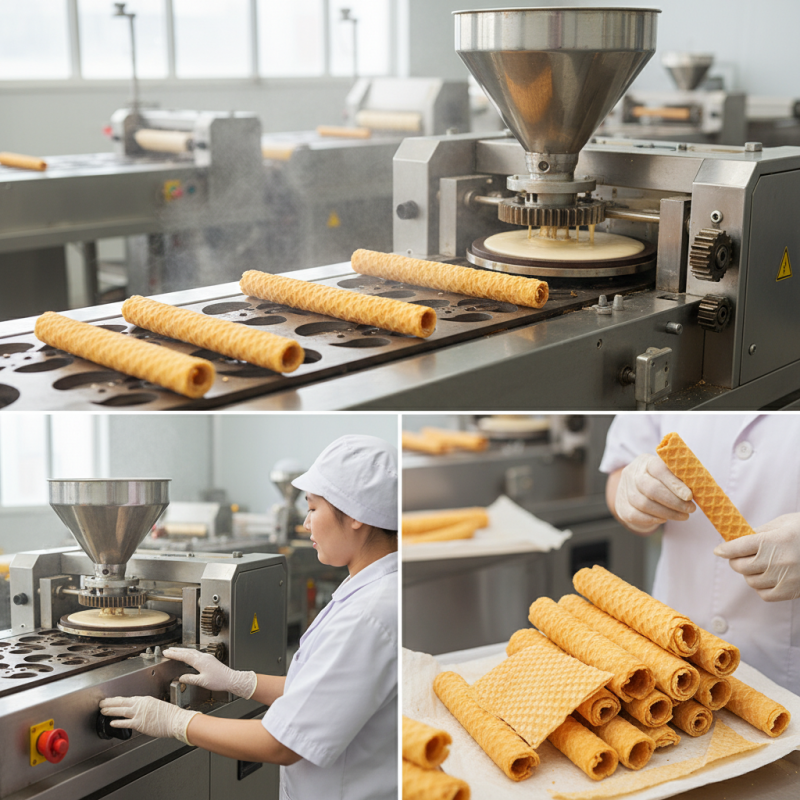
Overview of Wafer Roll Machines and Their Purpose
Wafer roll machines are essential equipment in food production. They are designed to create thin, crispy wafers that can be filled with various delicious fillings. This process is not just about making a snack; it’s about crafting a culinary experience that delights the senses. The machines typically combine baking and rolling processes, transforming batter into delectable thin sheets.
The functioning of a wafer roll machine involves precise temperature control and timing. As the batter spreads, it cooks evenly to achieve the perfect texture. Once baked, the sheets are rolled into tube shapes while still warm. This requires careful handling, as the wafers can be fragile. Adjustments might be required to optimize thickness and crispiness, and this can lead to trial and error. Sometimes, the settings don’t yield the expected results, prompting reflection on how to improve.
Operators must pay close attention to the entire process, from mixing ingredients to controlling the machine's output. Maintaining quality requires constant vigilance. Each adjustment can lead to different outcomes, both good and bad. Understanding these nuances is crucial for achieving the perfect wafer roll. This intricate balance of precision and creativity makes wafer roll machines fascinating in the culinary industry.
Key Components of a Wafer Roll Machine
A wafer roll machine is a fascinating piece of equipment used in food production. To understand it better, let’s focus on its key components. These elements work in harmony to create delicious wafer rolls.
The primary component is the baking plate. This heats up to bake the wafer batter evenly. It’s usually made of aluminum or non-stick materials. Then there's the filling dispenser, which adds various flavors into the rolls. This part can be adjusted for different fillings, from sweet creams to savory mixtures. Another crucial piece is the cooling conveyor. It allows the rolls to cool down quickly after baking, preventing them from becoming soggy.
However, operating a wafer roll machine is not without challenges. Adjusting the temperature and timing takes practice. If the settings are off, it can lead to undercooked or burnt rolls. Cleaning is another aspect to consider. Ingredients can get stuck in hard-to-reach areas. Regular maintenance is necessary to ensure optimal performance. Balancing these components can be tricky, but it's essential for producing the perfect wafer rolls.
What is a Wafer Roll Machine and How Does It Work? - Key Components of a Wafer Roll Machine
| Component | Function | Material | Specifications |
| Mixing Hopper | Mixes ingredients to create batter | Stainless Steel | Volume: 100 liters |
| Baking Plate | Cooks the batter into wafer sheets | Aluminum | Dimension: 120x60 cm |
| Roller System | Shapes batter into rolls | High Carbon Steel | Roll Diameter: 20 cm |
| Cooling System | Cools down the wafer rolls | Plastic and Metal | Fan Capacity: 1500 CFM |
| Cutting Blade | Cuts the rolls into desired sizes | Hardened Steel | Thickness: 1 mm |
Working Mechanism of Wafer Roll Machines
Wafer roll machines are specialized devices designed to create thin, crispy wafers by rolling batter into a unique shape. The working mechanism is quite fascinating. These machines utilize a combination of heat and pressure to transform batter into fine rolls. Generally, they operate at temperatures between 180-250°C. This range ensures optimal cooking, yielding crispy wafers.
The process starts with the batter being poured onto a heated surface. The machine's rollers then apply pressure while simultaneously rotating, forming the batter into a spiraled shape. According to market research, production rates can exceed 1,200 rolls per hour, making these machines efficient for large-scale production. However, achieving consistent quality remains a challenge for many manufacturers.
Regular maintenance is vital to ensure performance. Issues such as uneven heat distribution can lead to inconsistent wafer quality, impacting overall product yield. Industry reports indicate that nearly 30% of manufacturers face downtime due to equipment failure. This highlights the importance of understanding machine mechanics and the need for ongoing operator training. Proper settings and adjustments can significantly improve the wafer quality and production efficiency.
Applications and Benefits of Wafer Roll Machines
Wafer roll machines have transformed the food industry. They produce thin, crispy wafers used in various snacks and desserts. According to a recent industry report, the global wafer market was valued at over $4 billion in 2023. The demand for these machines is rising as consumers seek innovative snack options.
These machines offer efficiency and consistency in production. They can produce thousands of wafers per hour, saving manufacturers time and labor costs. Additionally, the automation provided by wafer roll machines reduces human error in the production process. However, the initial investment can be high, which may deter small manufacturers. Many are forced to choose between quality and affordability.
The versatility of wafer rolls is another compelling aspect. They are widely used in ice cream cones, rolled desserts, and snack foods. The ability to innovate with flavors and fillings is essential. Yet, some manufacturers struggle with scaling production while maintaining quality. A balance between speed and product integrity remains a challenge.
Maintenance Tips for Optimal Performance of Wafer Roll Machines
Maintaining a wafer roll machine is essential for efficiency and productivity. Regular upkeep can prevent costly breakdowns. According to industry reports, machines that are well-maintained can operate up to 30% more efficiently. This makes adherence to maintenance schedules critical for manufacturers.
Daily inspections play a vital role. Check the rollers for wear and tear. Adjustments to tension might be necessary. Keeping the machine clean helps avoid ingredient build-up. Engaging in routine lubrication will extend machine life. However, reports suggest that around 40% of maintenance tasks are often neglected, leading to decreased performance.
Operator training is equally important. A skilled operator can identify issues early. Mistakes can result in product waste and potential hazards. Clear guidelines on machine operation should be readily available. Ensuring operators understand the equipment’s nuances greatly improves overall functionality. Remember, even small missteps can lead to significant downtime.



 Distributors
  SDS Download
  Contact