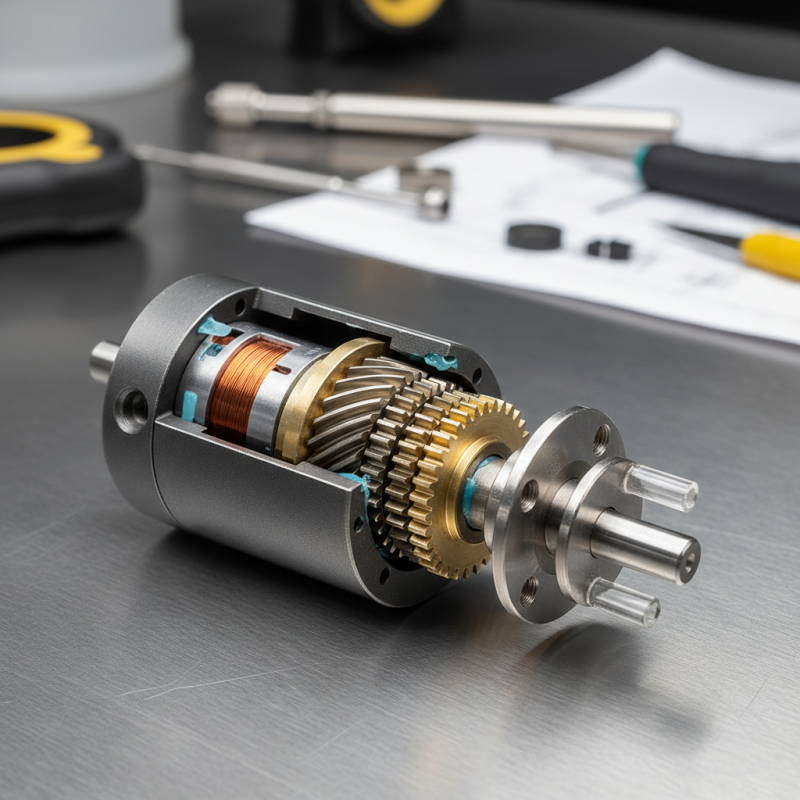
What is a Valve DC Gear Motor and How Does It Work?
A Valve DC Gear Motor is an intriguing device with diverse applications. It combines a direct current (DC) motor with a gear system, enhancing power and efficiency. These motors control various mechanisms, often in automation, robotics, and automotive industries.
Understanding how a Valve DC Gear Motor functions is essential. It utilizes a gear reduction system to amplify torque while reducing speed. This enables precise movement and control in devices. For instance, they regulate the flow of fluids, adjusting valves with accuracy.
However, like any technology, there are nuances. Users may encounter issues such as gear wear or insufficient torque for specific applications. Reflecting on these challenges can lead to better designs and optimizations. Embracing both the strengths and weaknesses of the Valve DC Gear Motor is key to harnessing its full potential.
What is a Valve DC Gear Motor?
A Valve DC Gear Motor is a specialized device combining a direct current (DC) motor with a gear system. This type of motor is designed to control the operation of valves in various applications, such as in automotive and industrial systems. The gear system reduces the motor's speed while increasing its torque, making it suitable for precise valve movement.
Typically, these motors operate at low voltages, often between 12V and 24V. According to industry data, gear motors deliver around 25% more torque than standard DC motors without gears. This efficiency is significant in applications requiring consistent and reliable control.
Tip: When selecting a Valve DC Gear Motor, consider both the voltage and torque requirements. Using the wrong specifications can lead to performance issues.
The construction of these motors often includes durable materials to withstand harsh operational conditions. However, some designs might not be as efficient, leading to overheating or failure in prolonged use. Regular maintenance is essential to ensure they operate smoothly.
Tip: Pay attention to the motor’s load and duty cycle. Understanding these factors can help in making informed decisions on motor selection.
Key Components of a Valve DC Gear Motor
A Valve DC Gear Motor is a specialized device combining a direct current (DC) motor with a gear system. This motor powers various applications, particularly in automation and robotics. Key components enable it to function effectively. The DC motor converts electrical energy into mechanical energy. It provides high torque and variable speed.
The gears are crucial. They reduce motor speed while increasing torque. This gear reduction is essential in applications needing precision. According to industry reports, gear reducers can enhance efficiency by up to 95%. This efficiency is vital in energy consumption, especially for long-term operations.
Additionally, the motor's housing protects internal parts from environmental factors. Frequently, materials used for housing include aluminum and plastic, chosen for their durability. However, some housing can be less effective in extreme conditions. Over time, wear and tear can occur, impacting performance. Regular maintenance is necessary to avoid failures, but maintenance practices often get overlooked. Hence, understanding these components is crucial for optimizing performance and longevity.
What is a Valve DC Gear Motor and How Does It Work? - Key Components of a Valve DC Gear Motor
| Component | Description | Function |
| DC Motor | An electric motor that runs on direct current (DC) electricity. | Converts electrical energy into mechanical energy to drive the output shaft. |
| Gearbox | A system of gears that modifies the torque and speed of the motor output. | Increases torque while decreasing speed, allowing for precise control of movement. |
| Output Shaft | The rotating part of the motor that transfers mechanical energy to the attached load. | Provides the motion required to operate the valves or other mechanical systems. |
| Controller | An electronic device that regulates the motor's speed and direction. | Ensures the motor operates within desired parameters for optimal performance. |
| Power Supply | Provides the necessary electrical power for the DC motor to operate. | Supplies energy to the motor to enable movement and function. |
How Does a Valve DC Gear Motor Function?
A Valve DC Gear Motor is an essential component in various applications. It integrates a direct current (DC) motor with a gear system specifically designed to control valve operations. Understanding how it functions can shed light on its efficiency and application.
The motor operates by converting electrical energy into mechanical energy. This conversion starts when power is supplied. The DC motor generates rotational motion, driving the gears. These gears alter the speed and torque of the motor's output. According to industry reports, the torque can reach up to 20 Nm in specific configurations. This means the motor can effectively manage heavy-duty valves with ease.
When considering output, speed reduction occurs through the gearing process. High-speed motors can be slowed down to allow precise control. However, not all systems function perfectly. Some users report issues with wear over time, impacting the efficiency of operation. Regular maintenance is crucial to prevent this. Acknowledging these imperfections can lead to better design and application strategies.
Valve DC Gear Motor Performance Analysis
This chart illustrates the performance metrics of a Valve DC Gear Motor across various torque levels, indicating both efficiency and speed. As the torque levels increase, we observe variations in efficiency and speed, crucial for understanding the operational characteristics of these motors.
Applications of Valve DC Gear Motors in Industry
Valve DC gear motors play a vital role in various industrial applications. They combine the functionality of a DC motor with a gear system to provide high torque at low speeds. This makes them ideal for tasks requiring precise control. In industries like robotics, automation, and HVAC, these motors ensure efficiency and reliability. According to recent industry reports, the market for gear motors is expected to grow significantly, driven by the demand for automation and smart technologies.
Applications of valve DC gear motors are diverse. In robotics, they help manipulate mechanical arms with precision. In HVAC systems, these motors control dampers, ensuring optimal airflow. A study shows that energy savings in HVAC systems can reach up to 30% when using these motors effectively. In the agriculture sector, they drive irrigation systems, providing timely water supply to crops.
Tips: Ensure proper motor selection based on your application's torque and speed requirements. Overloading a motor may lead to premature failure. Regular maintenance is crucial for the longevity of these motors. Additionally, consider the environment where the motor will be used. Dust and moisture can impact performance, leading to unexpected downtime. Choose models with adequate protection for harsh conditions.
Advantages of Using Valve DC Gear Motors
Valve DC gear motors are popular for various applications due to their unique advantages. One significant benefit is their compact size. These motors can fit into tight spaces while providing high torque. This feature is crucial for devices requiring precision and power without excess bulk.
Another advantage is their energy efficiency. Valve DC gear motors often consume less power compared to other motor types. This efficiency translates to lower operational costs and a reduced environmental footprint. In settings where many motors operate, the savings can be substantial.
However, it’s worth noting that the performance of these motors can vary based on quality. In some cases, manufacturers may overlook certain aspects, leading to reliability issues. Users must consider their specific needs and choose carefully. Balancing cost and quality can be challenging.



 Distributors
  SDS Download
  Contact