Top Tips for Choosing the Best Electric Car Charger?
Choosing the right Electric Cars Charger is crucial for maximizing the efficiency of your vehicle. With numerous options available, navigating this landscape can be overwhelming. Understanding your charging needs and the features of various chargers will empower you to make an informed choice.
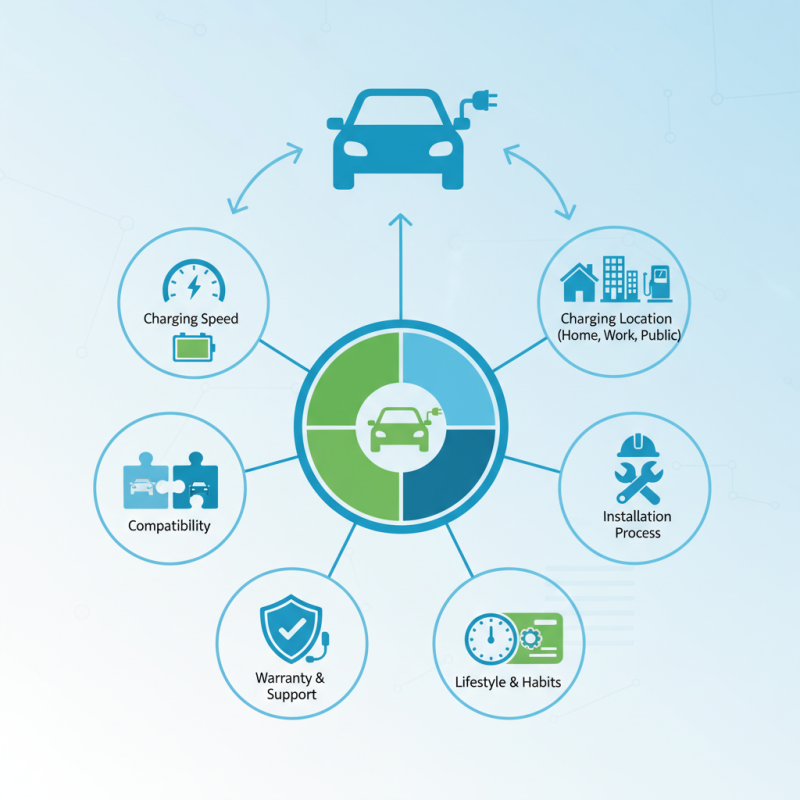
Consider the charging speed. Some chargers deliver rapid power, while others operate more slowly. Think about where you will charge. Will it be at home, work, or a public station? Each scenario requires different solutions. Furthermore, compatibility matters. Not all chargers fit every model.
Evaluate the installation process. Many chargers need professional setup, which adds to the initial cost. Review warranties and customer support options, as they indicate reliability. Remember, the best Electric Cars Charger should fit seamlessly into your lifestyle while meeting your specific requirements. It's an investment that should reflect your unique driving habits and charging preferences.
Understanding Different Types of Electric Car Chargers Available Today
When selecting an electric car charger, understanding the various types available is crucial. The two main categories are Level 1 and Level 2 chargers. Level 1 chargers use a standard household outlet and are ideal for overnight charging. They provide about 4-5 miles of range per hour. In contrast, Level 2 chargers require a dedicated circuit and can deliver 25 miles of range in one hour. This makes them suitable for faster charging in both home and public settings.
Data from the U.S. Department of Energy highlights that most EV owners charge their vehicles at home. Approximately 80% of charging occurs in residential settings. However, not all homes are equipped for a Level 2 charger. This accessibility issue is critical when choosing a charger. Some homes may lack the necessary electrical capacity for a Level 2 setup. It can require additional investment, which needs careful consideration.
Another type is DC fast chargers, which significantly reduce charging time. These are typically found at public charging stations. They can charge an EV to 80% in just 30 minutes. However, not all electric vehicles are compatible with DC fast chargers. Potential buyers should verify compatibility with their specific vehicle. Choosing an appropriate electric car charger means considering range requirements, charging speed, and home infrastructure. Balancing these factors can prevent future frustrations and help maximize efficiency.
Key Factors to Consider When Selecting an Electric Car Charger
When selecting an electric car charger, several key factors come into play. Consider your charging needs. Do you require a fast charger for a quick top-up or a level 2 charger for overnight charging? Level 2 chargers are common for home use. They offer a good balance of speed and efficiency, making them ideal for most daily drivers.
Another essential factor is the power output. Look for chargers with varying kilowatt (kW) ratings. Higher-rated chargers provide quicker charging times, which can be crucial for frequent users. It's important to also think about the location of the charger. A portable option might suit those who travel regularly, while a stationary option could be best for home or workplace use.
Compatibility is equally important. Check if the charger works with your electric vehicle model. Some chargers are designed for specific vehicles, limiting your options. Installation is another aspect to think about. A professional installation can ensure safety and reliability. Reflect on these aspects carefully. Choosing the right charger can enhance your EV experience considerably.
Evaluating Charger Power Levels: kW Ratings and Charging Speed Analysis
When selecting an electric car charger, understanding charger power levels is crucial. Charger power is measured in kilowatts (kW), and it directly influences charging speed. Level 1 chargers typically offer 1.4 kW, which is suitable for overnight charging but can take up to 8-12 hours for a full charge. In contrast, Level 2 chargers provide around 3.7 to 22 kW, cutting charging time down to just a few hours. According to a report from the U.S. Department of Energy, Level 2 chargers can replenish about 25 miles of range per hour.
Moreover, DC fast chargers are emerging in public charging stations. These chargers deliver power between 50 kW to 350 kW. They can charge a vehicle to 80% in as little as 30 minutes. However, not all electric vehicles are compatible with high-power chargers. The charging speed also varies based on battery size and remaining capacity. A comprehensive study indicates that while fast chargers are efficient, they can cause increased wear on battery life, a factor that users must evaluate carefully.
Understanding these power levels helps in making informed choices. Users must balance their charging needs with vehicle compatibility and battery health concerns. Selecting a charger isn't just about speed; it requires considering efficiency and the long-term impact on the vehicle's battery.
Top Tips for Choosing the Best Electric Car Charger
| Charger Type | Power Level (kW) | Charging Speed (miles/hour) | Installation Cost ($) | Suitable for |
| Level 1 Charger | 1.4 kW | 4-5 miles/hour | 200 - 500 | Home Use |
| Level 2 Charger | 3.7 - 22 kW | 10-60 miles/hour | 600 - 1,500 | Home/Commercial Use |
| DC Fast Charger | 50 - 350 kW | 100-200 miles/30 minutes | 5,000 - 50,000 | Public Charging Stations |
| Solar Charger | 1 - 6 kW | 3-10 miles/hour | 1,000 - 2,500 | Eco-Friendly Homes |
Installation Requirements and Costs for Home Electric Car Charging Stations
When considering a home electric car charging station, installation requirements and costs are crucial. You’ll need to assess your home’s electrical capacity. Most homes can support a Level 2 charger, which is faster and more efficient. Check if your electrical panel can handle the additional load. A professional electrician can help evaluate this.
Installing a Level 2 charger typically costs between $500 to $2,000, depending on wiring needs. If significant upgrades to your electrical system are required, costs can rise. Always factor in the price of permits and inspection fees mandated by local authorities. Choosing a charger that fits your car's specifications is essential, too.
Here are some tips to consider:
- Think about the location of your charger; it should be easily accessible.
- Prioritize chargers with built-in safety features.
- Many offer additional smart functionalities, which can enhance your user experience.
- Don’t overlook any potential need for additional circuits, especially in older homes.
Each installation has unique requirements, needing thoughtful assessment.
Future Trends in Electric Vehicle Charging Technology and Infrastructure
The future of electric vehicle (EV) charging technology is evolving rapidly. Innovations are emerging to enhance convenience and efficiency. One prominent trend is ultra-fast charging. With advancements in battery technology, these chargers significantly reduce charging time. Imagine waiting only 10 minutes for a full charge. This shift could transform charging station layouts and user behavior.
Wireless charging is another area gaining attention. By eliminating cables, it simplifies the charging process. Just park your EV, and charging begins automatically. However, this technology is still in its infancy. It raises questions about efficiency and compatibility. Will the energy loss during transfer discourage widespread adoption?
Finally, smart charging solutions are being developed. These systems analyze grid demand and optimize charging times based on energy costs. They promise to integrate seamlessly with renewable energy sources. Yet, concerns about data privacy persist. Users must consider how much information they want to share. The future in EV charging holds great promise, but it requires careful navigation of emerging technologies and infrastructure challenges.



 Distributors
  SDS Download
  Contact