Top 5 Tips for Efficient Brass Die Casting Process?
In the competitive landscape of manufacturing, the "Brass Die Casting" process stands out for its efficiency and precision. According to a report by the Global Die Casting Association, the global die casting market is projected to reach $10.5 billion by 2026, highlighting a growing demand for innovative solutions. This rise emphasizes how critical it is for companies to refine their processes to meet increasing production needs.
Expert Dave Hargrove, a well-known figure in the die casting sector, states, “Efficiency in brass die casting can significantly reduce costs and improve product quality.” His insights underline the importance of mastering the nuances of this process. Despite technological advances, many manufacturers still struggle with common pitfalls. These include inadequate temperature control and mold design issues that can lead to defects. A clearer focus on best practices can lead to pronounced improvements in output.
Optimizing brass die casting involves not just technological investment but also a commitment to continuous learning. The challenges in this field prompt many to reflect on their current processes. It’s crucial to identify areas for improvement continuously to maintain a competitive edge in this expanding market.
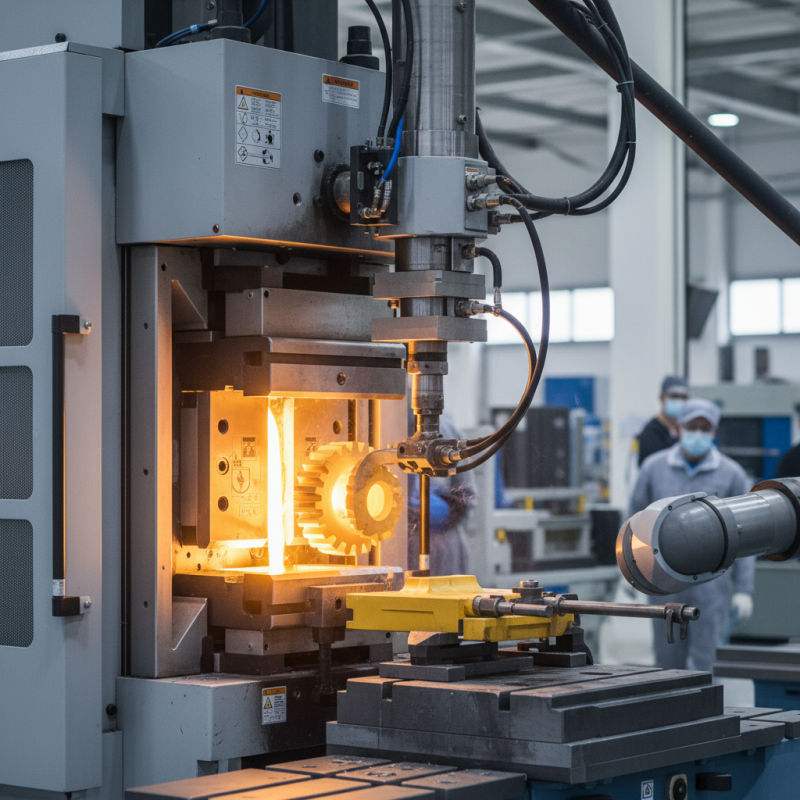
Understanding the Brass Die Casting Process: An Overview
Brass die casting is a complex yet efficient manufacturing process. This technique involves forcing molten brass into a mold. The molds are precisely designed to ensure high accuracy. Understanding the die casting process is essential for better outcomes.
The process begins with melting brass at high temperatures. Once molten, it is injected into steel molds. These molds are durable and designed for many cycles. Quality control is vital at this stage. Even a small flaw can lead to defects in the final product. Maintaining the right temperature and injection speed is crucial.
After the casting, parts are cooled and removed from the molds. Post-casting treatments may be necessary for surface finish or dimension adjustments. It’s important to reflect on each step. Small changes can lead to significant improvements. Each aspect, from mold design to cooling time, needs careful consideration.
Choosing the Right Die Materials for Enhanced Efficiency
When it comes to brass die casting, the choice of die materials plays a pivotal role in ensuring efficiency. The right die material can significantly enhance your production cycle. Data from the Casting Industry Association shows that 75% of manufacturers improve their output by selecting high-quality die materials. This choice directly influences heat transfer rates, wear resistance, and overall durability.
Brass is known for its excellent flow characteristics, but dies made of steel or aluminum can also boost performance. Steel offers superior wear resistance, prolonging die life and reducing downtime. In fact, a recent study indicated that using high-density steel can extend die life by up to 30%. Yet, some facilities opt for lower-cost options, only to face higher maintenance costs later.
Understanding die maintenance is also crucial. Even the best materials can fail without proper upkeep. Regular inspections can identify wear before it affects production. It is essential to foster a culture of continuous improvement. Regular training for staff on die care can create a more resilient production process. Crafting an efficient die casting process involves more than just materials; it requires a comprehensive approach that includes knowledge, observation, and proactive management.
Optimizing Temperature Control for Consistent Quality
Temperature control is crucial in the brass die casting process. Maintaining consistent temperatures ensures quality and reduces defects. A temperature fluctuation of just a few degrees can lead to imperfections in the final product. Monitoring the melt temperature is key. If too hot, it can cause oxidation, weakening the metal. Conversely, if too cold, the alloy may not flow properly.
Investing in advanced temperature monitoring equipment pays off. These tools provide real-time data, enabling quick adjustments. Regular calibration of heating elements is essential. Without it, discrepancies can arise in the casting process. Many foundries neglect this aspect, leading to increased scrap rates.
Establishing optimal temperature parameters is necessary. However, it's vital to remain flexible. Room temperature, humidity, and other factors can impact casting conditions. Operators should focus on creating a stable environment. Even small external changes can affect outcomes. Learning from past mistakes can lead to a more refined approach.
Streamlining the Injection Process for Faster Production
In the brass die casting process, optimizing the injection stage is crucial for enhancing production speed. To achieve this, it’s essential to analyze the injection parameters regularly. Monitoring pressure and temperature helps ensure consistent quality. This reflective practice requires an understanding of the materials involved and their behaviors under different conditions.
Implementing a proper cooling strategy can also significantly streamline the process. Effective cooling reduces cycle times but requires careful monitoring. Overly rapid cooling can lead to dimensional inaccuracies. Finding the right balance is a constant challenge in production.
Frequent maintenance of injection machines can prevent unexpected downtimes. Regular checks ensure that all components function optimally. Ignoring small issues may lead to bigger problems and delays. An efficient system runs smoothly and requires attention to detail in every aspect. Each minor adjustment can make a huge difference in overall performance.
Implementing Quality Control Measures for Optimal Results
Quality control is crucial in the brass die casting process. Effective measures can significantly enhance the final product's reliability. According to a report from the American Foundry Society, implementing robust quality control can reduce defects by up to 30%. This is vital, as even minor flaws can lead to costly reworks.
One common oversight is neglecting the importance of environmental factors. Temperature fluctuations can affect die stability. A study by the Casting Industry Manufacturers Association highlights that maintaining consistent temperatures can decrease the likelihood of defects. Regular monitoring of materials is necessary. The right alloy composition enhances durability and performance, reducing long-term failures.
Focus on documentation. Detailed records of each production run can identify recurring issues. Visibility into past defects allows better predictions for future processes. Training staff on quality protocols can be neglected. Skilled operators can make quality assessments quickly, catching issues early in production. A balanced approach to these aspects can lead to substantial improvements.
Top 5 Tips for Efficient Brass Die Casting Process



 Distributors
  SDS Download
  Contact