Top SMT Spare Parts for Global Buyers in 2026?
As the electronics manufacturing industry continues to evolve, the demand for SMT Spare Parts remains crucial. In 2026, global buyers will face unique challenges and opportunities. SMT spare parts play a significant role in ensuring production efficiency and quality control. They are essential in maintaining the integrity of manufacturing processes.
Numerous trends indicate a shift towards automation and advanced technologies. Buyers must stay informed about the latest innovations in SMT spare parts. These developments can enhance production speed and reduce downtime. Yet, there is a reliance on reliable suppliers for these critical components. Scams and counterfeit products are an ongoing threat.
Understanding the landscape is vital. Factors like usage trends and supplier reliability play essential roles. SMT spare parts are not just components; they represent a commitment to quality. Buyers must reflect on their choices carefully. The right parts can significantly impact overall productivity and equipment lifespan. In this complex market, informed decisions are more important than ever.
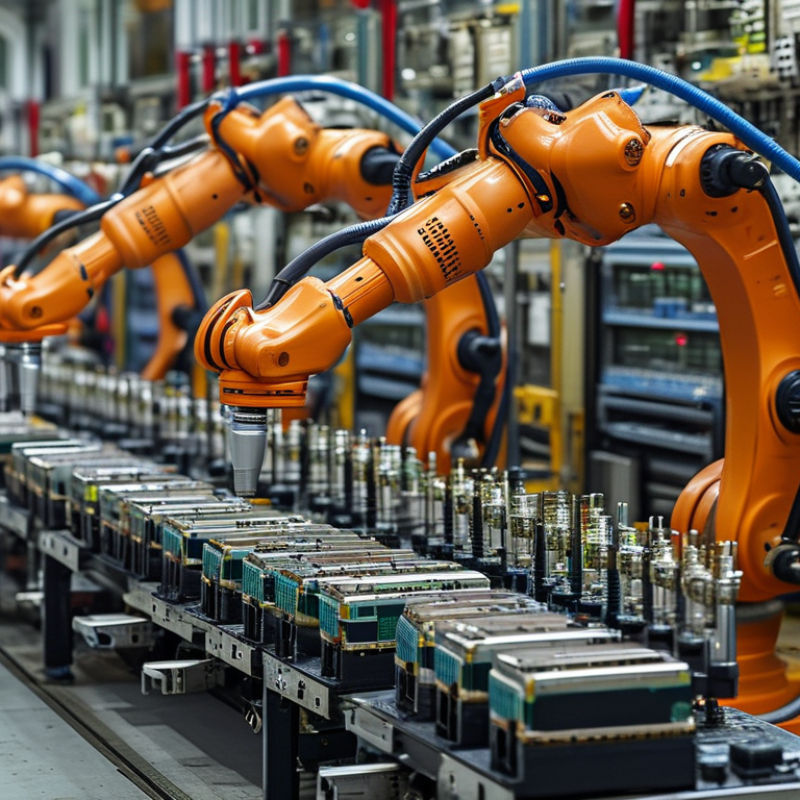
Key Trends in SMT Spare Parts Market for 2026
The SMT spare parts market is evolving rapidly. In 2026, several key trends are emerging. Buyers should be aware of the growing demand for automation components. Automation enhances efficiency and reduces labor costs. More manufacturers are leaning toward automated solutions.
Sustainability is another crucial factor. Eco-friendly spare parts are gaining popularity. Companies aim to reduce their carbon footprint. Transitioning to sustainable options is not simple. Many products still rely on traditional materials. However, the shift is necessary for a greener future.
Customization is increasingly important as well. Buyers are seeking tailored solutions. This trend reflects the diverse needs of different industries. The challenge resides in balancing customization with production efficiency. As preferences diversify, manufacturers must adapt. Staying ahead in this competitive landscape requires constant attention to these evolving demands.
Top SMT Spare Parts for Global Buyers in 2026
This chart represents the projected demand for various SMT spare parts in 2026, showcasing the key trends in the market. The data indicates the growing preference for efficient and high-quality spare components.
Critical Spare Parts Demand by Global Regions in 2026
In 2026, the demand for critical SMT spare parts will vary significantly across global regions. Markets in North America might focus on precision components that enhance efficiency. Europe may prioritize eco-friendly parts to meet regulatory standards. Asia, particularly in manufacturing hubs, will likely seek durable components to maintain high production rates.
Tip: Regularly monitor regional trends. Understanding local needs can enhance procurement strategies.
Different regions may experience supply chain challenges. Some areas could face delays in spare part deliveries. This inconsistency might impact production timelines and operational efficiency. Adaptability will be key for companies relying on these parts.
Tip: Build strong relationships with suppliers. A reliable network can mitigate risks associated with supply chain disruptions.
Investing in spare parts that offer high compatibility will be crucial. Firms need to consider long-term reliability over short-term savings. Reflecting on your current practices could reveal gaps in your spare parts strategy.
Innovative Technologies Impacting SMT Spare Parts Selection
The SMT (Surface Mount Technology) industry is evolving rapidly. Innovative technologies are reshaping how buyers choose their spare parts. In 2026, these advancements will become even more pronounced.
Artificial intelligence (AI) is one key factor. It enhances the selection process, predicting demand with impressive accuracy. Buyers can benefit from real-time data analytics. This innovation allows for the identification of high-quality spare parts more efficiently. However, reliance on AI also has challenges. Machine learning algorithms require constant updates to remain relevant. Outdated data can lead to poor decisions.
Tip: Always verify data sources before making purchasing decisions.
Automation is another trend impacting spare parts selection. It streamlines inventory management and minimizes human error. When machines take over repetitive tasks, the focus shifts to strategic planning. This shift can optimize supply chain processes. Still, it's essential to maintain a balance. Over-automation may lead to complacency in team members.
Tip: Invest in training and development to keep skills sharp.
The continuous evolution of SMT technologies demands thoughtful adjustments in spare parts selection. Buyers must stay informed and adaptable. Scanning the market for innovations provides potential advantages. Embracing change leads to better outcomes in this competitive landscape.
Cost-Effective Strategies for Sourcing SMT Spare Parts
In 2026, sourcing SMT spare parts effectively requires a deep understanding of market dynamics. Cost-effective strategies are essential for global buyers. Buyers should focus on identifying reliable suppliers who offer high-quality components. Building strong relationships with these providers can ensure better pricing and flexibility in sourcing. Regular communication is vital to staying updated on inventory and market trends.
While online marketplaces provide options, caution is necessary. Not all listings are genuine. Buyers must verify suppliers' credentials to avoid low-quality parts that can halt production. Diversifying the supplier base can also mitigate risks associated with dependency. Exploring local options can uncover hidden gems that offer competitive pricing and shorter lead times.
Buyers should consider bulk purchasing for cost savings. However, this approach requires careful inventory management. Overbuying can tie up capital and clutter storage. Regular review of spare parts needs helps to balance demand and supply. Monitoring the market for shifts in pricing can influence purchasing decisions. This ongoing evaluation fosters smarter sourcing strategies.
Future-Proofing SMT Operations with Quality Spare Part Investments
Investing in quality spare parts is essential for future-proofing Surface Mount Technology (SMT) operations. According to a recent report from the IPC, a reliable supply chain is critical. Companies that invest in quality components experience 30% less downtime. This not only improves efficiency but also enhances production output significantly.
In 2026, the focus will shift toward sourcing sustainable and high-quality spare parts. Studies suggest that 70% of maintenance issues can be resolved by using certified components. However, the market is flooded with replicas and low-quality alternatives. Buyers must conduct due diligence to ensure their selections meet industry standards.
Furthermore, organizations should consider integrating predictive maintenance strategies. The global market for IoT-enabled maintenance solutions is projected to reach $45 billion by 2026. Using data analytics can help identify which spare parts are essential for operation continuity. This reconsideration of traditional practices is vital. Balancing cost with quality is a challenge that many may overlook, but it is crucial for long-term success.



 Distributors
  SDS Download
  Contact