What Are the Top Shipping Container Types?
A Shipping Container can look like a plain steel box, yet its design affects loading, protection, and transport. The right type depends on the cargo, the route, and the handling equipment available. A standard Dry Container suits boxed goods, furniture, and palletized supplies. A high-cube model adds vertical room, useful for tall or bulky loads. Small differences matter.
Containerization historian Marc Levinson, author of The Box, has documented how standard containers transformed freight movement. A fair paraphrase of his central insight is: “Standard dimensions let cargo move between ships, trains, and trucks with less handling.” That principle still guides container selection, though it does not answer every practical question. Moisture-sensitive goods may need a reefer with temperature controls. Long machinery may fit a flat rack, while top-loading cargo can call for an open-top container. Tank containers serve liquid cargoes.
This guide compares the main Shipping Container types and explains what each one is designed to carry. It also points to details worth checking, such as door clearance, internal dimensions, payload limits, and equipment condition. A reefer’s controls, for example, matter as much as its exterior size. No type is perfect for every shipment. The choices can look neat on paper, but real cargo and yard conditions are less tidy. A careful comparison helps narrow the options without assuming that the most specialized container is always the best one.
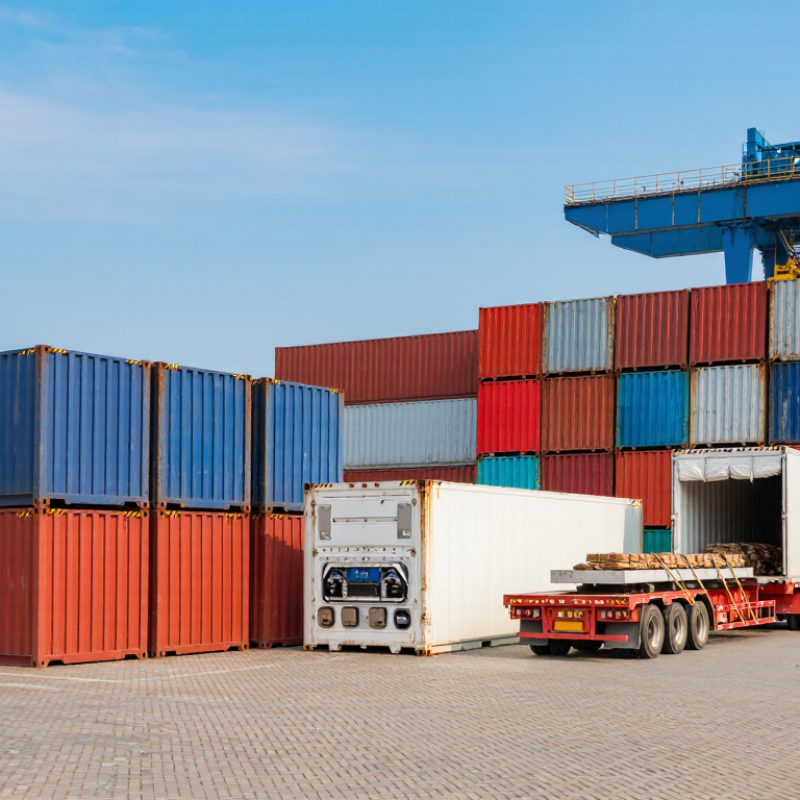
How Shipping Containers Are Classified by Design and Purpose
Shipping containers are best understood by how they are built and what cargo they handle. Standard dry containers have solid walls and a roof, making them suitable for boxed goods, furniture, and palletized loads. Common lengths are 20 and 40 feet, but usable capacity depends on interior dimensions and cargo weight. A high-cube container adds about one foot of height. That extra space helps with light, bulky items.
Some designs solve specific handling problems. Open-top containers allow loading from above, while flat racks have collapsible ends for oversized machinery. Refrigerated containers maintain controlled temperatures for produce and other temperature-sensitive goods, but need a reliable power connection and careful monitoring. Tank containers hold liquids in a vessel secured within a frame. Ventilated models allow airflow for cargo that benefits from it. A container’s label alone is not enough: confirm dimensions, payload limits, door openings, and equipment condition before choosing. Small measurement assumptions can create avoidable loading delays.
Tips: Match the container to the cargo’s shape, weight, and handling needs. Measure the tallest point, including packaging. Check whether loading equipment can reach the opening. For temperature-controlled shipments, agree on the set point and monitoring plan before loading. Leave room for inspection. That detail is easy to miss.
Standard Dry Containers and Their Common Sizes
Standard dry containers are enclosed steel units designed for boxed goods, furniture, tools, and other cargo that does not need temperature control. The familiar 20-foot container measures about 20 feet long, 8 feet wide, and 8 feet 6 inches high externally. A 40-foot unit keeps roughly the same width and height but doubles the length. That matters.
Inside, usable space is smaller because walls, doors, and floor fittings take room. Typical internal dimensions are about 19 feet 4 inches by 7 feet 8 inches by 7 feet 10 inches for a 20-foot unit, but actual measurements vary. Door openings can also limit what fits, even when the cargo seems small enough on paper. Measure twice.
A 40-foot container offers more floor area, while a 20-foot unit can be easier to position at a tight site. Neither size is automatically the better choice. A half-filled long container may waste space, and a densely packed short one can make access awkward. High-cube dry containers add about one foot of external height, reaching roughly 9 feet 6 inches. This extra clearance helps with taller loads, but it does not change the door width. Before arranging delivery, confirm the specific container’s internal dimensions, door opening, and condition; published figures are useful estimates, not a guarantee.
What Are the Top Shipping Container Types? - Standard Dry Containers and Their Common Sizes
Dimensions, tare mass, and payload vary by container design and manufacturer. Figures shown are typical approximate values; always verify the container’s door plate and specifications before loading.
Refrigerated Containers for Temperature-Sensitive Cargo
Refrigerated containers, or reefers, protect cargo by controlling temperature and circulating air through the load. They suit fresh produce, seafood, dairy, and some medicines, but each shipment needs a product-specific temperature range. WHO vaccine-management guidance commonly uses +2°C to +8°C for refrigerated vaccines; the product label remains decisive. Small differences matter. A brief excursion can damage sensitive cargo, even when the container display looks normal.
FAO’s 2019 report, The State of Food and Agriculture, estimated that 13.8% of food was lost between harvest and retail worldwide. Temperature control alone cannot prevent those losses, but a functioning cold chain can help limit spoilage. Before loading, confirm the reefer has passed its pre-trip inspection and that cargo is already at the required temperature. The unit is built to maintain temperature, not rapidly cool warm freight. Keep floor channels clear, avoid blocking return-air vents, and record readings during transit. Details count. One easy mistake is treating the set point as proof of cargo temperature; sensors measure air, not every carton’s core. That distinction deserves more attention.
Open-Top and Flat-Rack Containers for Oversized Loads
Open-top containers suit cargo that is too tall for standard doors or needs to be loaded by crane. Their removable roof bows and tarpaulin allow access from above, while the container’s walls still help contain the load. Think of a compact machine lowered carefully through the opening. Measure twice. Check the cargo’s height, lifting points, and total weight against the container’s specifications before booking. A tarp can protect against rain, but it is not a substitute for weatherproof packaging.
Flat-rack containers are designed for wide, heavy, or irregularly shaped freight. With end walls and no full side walls or roof, they can accommodate items such as industrial equipment or long structural components. The open sides make securing the cargo especially important. Use suitable lashing points and protect edges where straps contact the load. That matters.
Choosing between the two depends on the cargo’s dimensions, loading method, and route requirements. An open top may be better when overhead loading is essential; a flat rack may offer more room for an unusually wide item. Neither option removes the need to check weight distribution, clearances, and handling arrangements. One detail is easy to miss: the cargo may fit on paper but still be difficult to lift or secure safely. Confirm measurements with the carrier and loading team, and allow room for practical adjustments.


 Distributors
 SDS Download
 Contact
