Top H13 Hepa Filter Benefits for Global Buyers in 2026?
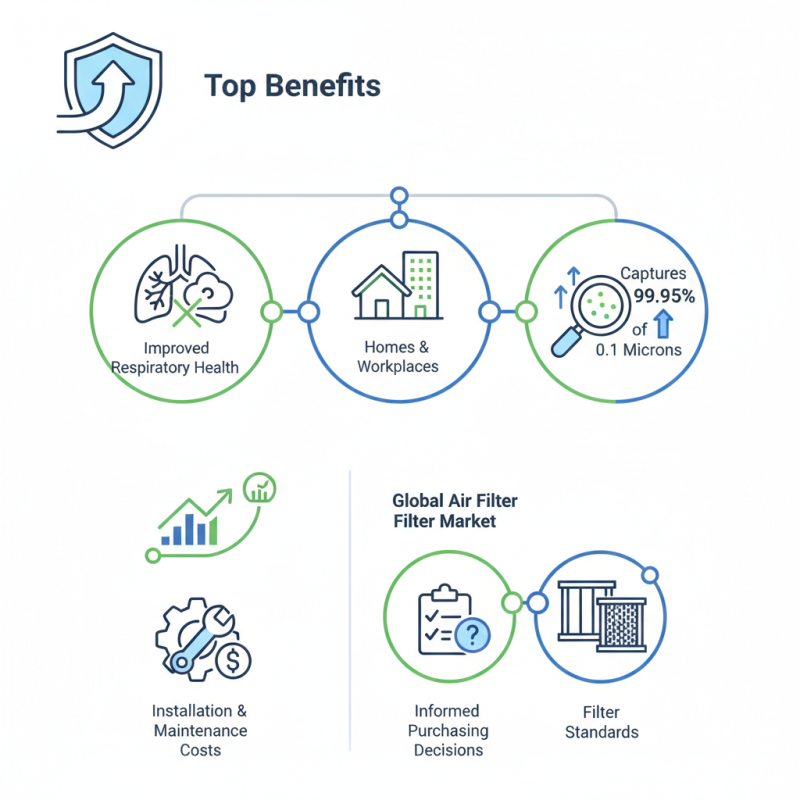
The importance of air quality continues to rise globally. In 2026, the demand for H13 Hepa Filters is expected to surge. These filters are renowned for their ability to capture 99.95% of particles as small as 0.1 microns. According to a recent market analysis by Grand View Research, the global air filter market will reach $30 billion by 2026, driven primarily by health concerns.
H13 Hepa filters are essential in homes and workplaces. They effectively reduce allergens, dust, and pollutants. With an increasing focus on indoor air quality, manufacturers are innovating to enhance filter performance. However, potential buyers must be cautious. Not all H13 Hepa filters meet the same standards. Some may not provide the promised efficiency, highlighting the need for informed purchasing decisions.
The benefits of H13 Hepa filters are substantial but come with considerations. They help improve respiratory health, especially for vulnerable populations. Yet, buyers should reflect on installation and maintenance costs. The filtration system's effectiveness can drop if not properly maintained. Understanding these factors can help ensure that the investment in H13 Hepa filters yields significant health benefits.
H13 Hepa Filter: Overview and Importance in 2026
The H13 HEPA filter stands out due to its capability to capture 99.95% of airborne particles. This level of efficiency is crucial in today's environment, where air quality plays a vital role in public health. These filters are designed to trap fine dust, allergens, and even certain bacteria and viruses. In 2026, as concerns over air cleanliness rise, their importance will only grow.
Utilizing H13 HEPA filters becomes essential, particularly in urban settings. High pollution levels have made clean air a luxury. Hospitals and schools are also investing in advanced filtration systems to improve conditions. However, not all filters are created equal. Some may not meet the rigorous standards expected of an H13 HEPA filter. Buyers must conduct thorough research before making a purchase.
A key consideration is the longevity of these filters. Regular replacements are necessary for optimal performance. It's worth noting that savings from less frequent replacements can be outweighed by the costs of health implications caused by poor air quality. Future buyers must weigh these factors carefully, ensuring they choose a filter that truly meets their needs.
Key Benefits of H13 Hepa Filters for Indoor Air Quality
Indoor air quality (IAQ) is a growing concern for global buyers in 2026. Poor IAQ can lead to various health issues, including respiratory problems and allergies. H13 HEPA filters provide a robust solution. According to a report by the U.S. Environmental Protection Agency (EPA), indoor air pollution can be up to five times worse than outdoor air. This emphasizes the need for effective filtration.
H13 HEPA filters excel in trapping microscopic particles. They capture 99.95% of airborne pollutants as small as 0.3 microns. Dust, pollen, and pet dander are included. This high efficiency significantly improves the air quality in homes and offices. Numerous studies indicate that cleaner air leads to better cognitive function and productivity. A specific study cited a 15% increase in productivity linked to improved IAQ.
The benefits of H13 HEPA filters extend beyond health. They can also prolong the life of HVAC systems by preventing dust buildup. This can reduce maintenance costs for homeowners and businesses alike. However, the effectiveness of filters can diminish over time. Regular replacement is crucial for sustained performance. Without proper maintenance, users may unknowingly compromise their air quality.
Comparative Analysis: H13 Hepa Filters vs. Other Filter Types
H13 HEPA filters stand out due to their high efficiency in trapping smaller particles. They capture 99.95% of airborne pollutants. This capability makes them ideal for various environments. In contrast, standard HEPA filters may only capture 99.5% of particles. Thus, H13 filters provide enhanced protection against allergens, dust, and other pollutants.
The effectiveness of H13 filters is beneficial for anyone with respiratory issues. They significantly reduce air pollution in homes and workplaces. Other filter types often struggle to provide similar levels of filtration. However, it’s essential to consider the specific needs of your environment. Some settings might require a different type of filter altogether.
Tips for choosing the right filter: First, assess the air quality in your space. Next, consider whether anyone has specific allergies. Lastly, evaluate the maintenance needs of each filter type. Regular maintenance ensures optimal performance. Balancing efficiency with upkeep is crucial for long-term air quality. It’s worth reflecting on whether convenience outweighs effectiveness in your situation.
Top H13 Hepa Filter Benefits for Global Buyers in 2026
| Filter Type | Efficiency (%) | Particle Size Captured (Microns) | Durability (Months) | Cost ($) |
| H13 HEPA Filter | 99.95 | 0.1 - 0.3 | 12 | 40 |
| H12 HEPA Filter | 99.5 | 0.3 - 0.5 | 9 | 30 |
| MERV 13 Filter | 85 | 1.0 - 3.0 | 6 | 25 |
| Activated Carbon Filter | N/A | N/A | 6 | 35 |
| Pre-Filter | N/A | > 3.0 | 3 | 10 |
Global Market Trends: Demand for H13 Hepa Filters in 2026
The demand for H13 HEPA filters is set to rise significantly by 2026. As air quality concerns grow worldwide, consumers are becoming more aware of the importance of clean indoor air. H13 filters are known for their efficiency in trapping harmful particles, including allergens and pollutants. This makes them vital for homes, offices, and healthcare facilities.
Market trends show varying preferences across regions. In urban areas, people seek advanced filtration systems. Factors such as population density and pollution levels drive this demand. However, some buyers struggle to distinguish between filter types. The variability in filter standards can create confusion. This highlights the need for better consumer education.
Moreover, advancements in technology are shaping this industry. New materials and designs improve filter performance. However, the balance between cost and effectiveness remains a question. Some may find premium filters unaffordable. Reflecting on these challenges is essential for buyers and manufacturers alike. Understanding the market dynamics can help in making informed choices.
Top H13 Hepa Filter Benefits for Global Buyers in 2026
Sustainability and Environmental Impact of H13 Hepa Filters
H13 HEPA filters have become essential in various sectors, especially for their sustainability and minimal environmental footprint. Unlike standard filters, H13 HEPA filters provide higher filtration efficiency. Their ability to trap up to 99.95% of particles makes them vital in maintaining air quality. This is particularly important in urban areas where pollution levels are high.
In 2026, buyers will prioritize filters that do not just protect health but also align with eco-friendly practices. The materials used in H13 HEPA filters can often be recycled, which reduces waste. Many manufacturers are focusing on creating filters that are not only effective but also sustainable. This shift reflects a broader trend towards environmental responsibility.
Despite their benefits, questions arise about the disposal of H13 HEPA filters. Users must consider how they can dispose of them properly. Simply throwing them away can lead to increased landfill waste. There's a continuous need to find better recycling methods. As buyers become more aware, the push for improvement in this area will grow.



 Distributors
  SDS Download
  Contact