X

Partner Login

Enter your username and password here on order to log in on the partner portal:

No registered partner yet?

Register now

Top 10 Fass Fuel Heater Options for Global Buyers

Cold-weather fuel reliability is not a minor detail for trucks, generators, and off-road equipment. As temperatures fall, wax crystals can form in diesel fuel and restrict filters or lines. The U.S. Department of Energy’s National Renewable Energy Laboratory explains in its Biodiesel Handling and Use Guide that cold-flow behavior varies with fuel composition and blend. One setting will not suit every supply.

That is why choosing a Fass Fuel Heater requires more than comparing wattage or price. Buyers should check engine compatibility, fuel-line layout, electrical demand, installation conditions, and the temperatures their equipment actually faces. ASTM International’s diesel specifications, including ASTM D975 and D7467, provide useful fuel-quality references; they do not guarantee identical cold-weather performance everywhere. Local fuel grades matter. So does maintenance.

A heater can help, but it cannot correct contaminated fuel, a blocked filter, or poor installation. This is easy to overlook. The options in this guide are considered against practical factors: fitment, heat delivery, durability, service access, and clarity of product information. Manufacturer documentation should be checked before purchase, especially when operating across regions with different fuel blends and electrical systems. Some product claims are difficult to compare directly. That deserves caution, not guesswork.
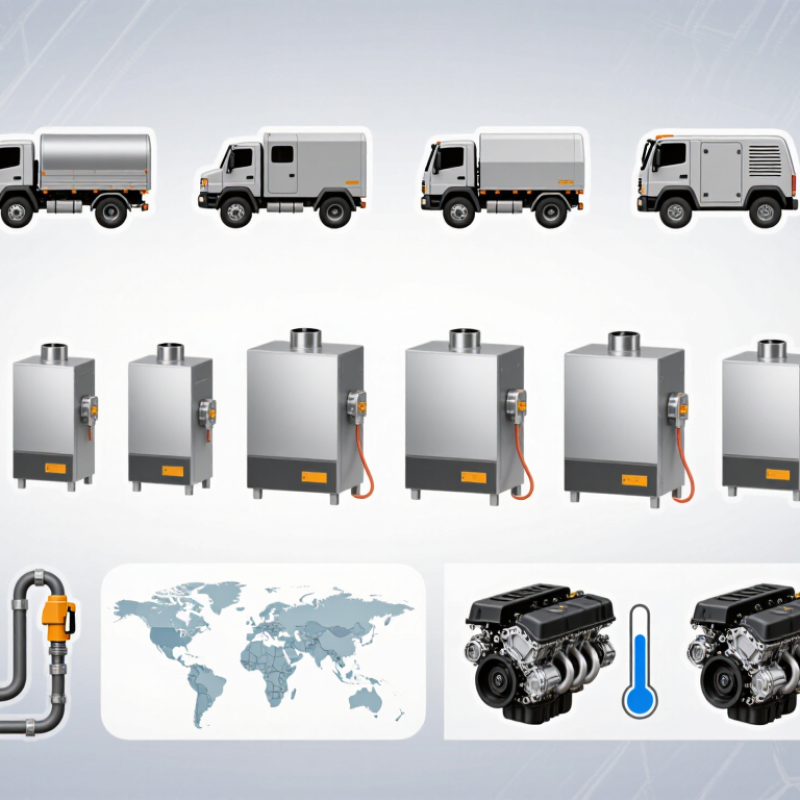
Top 10 Fass Fuel Heater Options for Global Buyers

FASS Fuel Heaters: Purpose in Diesel Fuel Systems and Cold-Weather Operation

A fuel heater helps keep diesel moving when cold temperatures encourage wax crystals to form. These crystals can restrict a filter or pickup before the fuel looks visibly frozen. In practice, a heater may warm fuel near the tank, line, or filter, depending on the system design. Small differences in placement matter. A warm filter cannot fix contaminated fuel or remove water.

The National Renewable Energy Laboratory’s Biodiesel Handling and Use Guide reports that biodiesel’s cloud point varies with feedstock and blend level, and can be higher than petroleum diesel’s. That variation matters: a heater sized for one fuel blend may not perform the same with another. The U.S. Department of Energy’s Alternative Fuels Data Center likewise notes that cold-flow behavior depends on fuel composition and local conditions.

There is no universal temperature setting. Check the fuel supplier’s cold-weather specification, then verify heater compatibility, wiring capacity, and manufacturer instructions.

I would not rely on heat alone; a neglected filter can still restrict flow. Slightly inconvenient, but true. Don’t overheat the fuel: controlled, targeted warming is the goal, not making the entire tank hot.

EN 590 CFPP Classes: Seasonal Limits Range from +5°C to −20°C

EN 590 diesel is supplied in climate-related CFPP classes, with seasonal limits commonly ranging from +5°C to −20°C. CFPP describes a laboratory test point: it indicates when fuel may stop passing through a specified filter under test conditions. It is not a guaranteed operating temperature. The applicable class depends on the market, season, and local fuel supply. Check the fuel documentation, not just the weather forecast.

A fuel heater can help reduce cold-related restriction around the filter, but it cannot change the diesel’s CFPP rating. Nor can it correct water, contamination, or fuel that is unsuitable for the conditions. That distinction matters. A vehicle parked overnight in a cold yard may face a different challenge from one that runs continuously. Heater performance also depends on placement, electrical supply, and the fuel system’s design.

For global buyers, compare the expected minimum temperature with the seasonal fuel grade before choosing a heater. Confirm its voltage, flow capacity, temperature controls, and compatibility with the installation. Leave room for service access; a cramped fit makes routine checks harder. This detail is easy to miss. Real cold-weather performance should be checked in the intended setup, because a bench test may not reflect a long, cold start. Even careful selection has limits.

Ten FASS Heater Options Compared by Voltage, Wattage, Fit, and Controls

A useful comparison of ten fuel-heater options starts with voltage, wattage, physical fit, and control type. Match 12-volt units to the vehicle’s electrical system, and check whether a 24-volt option suits the equipment. Wattage affects current draw: a 150-watt heater draws about 12.5 amps at 12 volts, or 6.25 amps at 24 volts. That difference matters when wiring, fuses, and battery capacity are limited.

Fit is not just a mounting-hole measurement. Check fuel-line diameter, clearance around the filter, connector position, and access for servicing. Controls also vary: thermostatic switches reduce unnecessary heating, while manual switches give the operator more direct control. Simple, yes. But a poorly placed sensor can make an otherwise suitable unit less effective. Compare each option’s operating range and instructions against the actual installation.

Fuel conditions deserve equal attention. The National Renewable Energy Laboratory’s 2016 Biodiesel Handling and Use Guide reports feedstock-dependent B100 cloud points roughly from the mid-20s to the mid-50s °F. That spread shows why one temperature rating may not fit every fuel blend or climate. Check the fuel specification and expected cold-start conditions before choosing wattage; more heat is not automatically better. A compact heater may fit a tight filter assembly, while a higher-output model may require more electrical capacity and installation space.

Global Selection Guide: Match Heater Compatibility to Fuel, Climate, and Vehicle

Choosing a fuel heater starts with the fuel itself. Diesel blends can behave differently in severe cold, so confirm the heater is approved for your fuel and system. Common choices include heated filter heads, filter wraps, fuel-line heaters, tank pads, and in-tank pickup heaters. Other options include coolant-based exchangers, coolant-heated filter housings, 12-volt inline units, 24-volt inline units, and integrated kits. Fit matters more.

Climate shapes the decision. A filter heater may help address waxing near the filter, while a tank heater targets colder fuel in the reservoir. In mountain regions, overnight lows and wind exposure matter; a vehicle parked outdoors faces different demands from one kept in a garage. Check operating-temperature ratings, power draw, wiring, connector size, and installation instructions. Measure before buying. A high-wattage unit is not automatically the right one.

Vehicle layout matters too. Confirm available voltage, mounting space, fuel-line diameter, and whether the heater can work with the vehicle’s existing fuel system. Some installations may require professional assessment, especially where fuel lines or electrical circuits are modified. A common buying mistake is focusing on heating power while overlooking battery capacity during cold starts. No option is perfect. Compare specifications with the vehicle manual, and verify compatibility with the heater supplier before ordering.

Top 10 Fuel Heater Options: Typical Electrical Rating Ranges

Compare indicative wattage ranges for common 12V/24V heater styles. Actual ratings vary by model and installation. Match the heater to the fuel system, vehicle voltage, fuel type, and local climate; verify compatibility and specifications before purchase.

Ranges are indicative product-rating bands, not a guaranteed performance or temperature rating. Fuel cold-flow properties vary with fuel formulation and climate.

Installation and Maintenance: Check OEM Limits and Electrical Requirements

Before installing a fuel heater, check the engine and vehicle manufacturer’s limits. Confirm the permitted fuel type, operating temperature, mounting position, and available electrical capacity. A heater that fits physically may still exceed the circuit’s safe load.

Measure voltage at the intended connection point, not only at the battery. Use the specified fuse rating, wire gauge, grounding method, and relay arrangement. Keep wiring clear of hot exhaust parts, sharp edges, and moving components. Small details matter. Do not guess. If instructions conflict, pause and confirm the correct specification before powering the unit.

After installation, inspect the fuel connections for seepage and the wiring for loose terminals or damaged insulation. Check the fuse and ground connection during routine service, especially after exposure to road spray or vibration. A clean-looking connector can still hide corrosion. In practice, routing is sometimes awkward, and a tidy installation may take longer than expected. Record the heater’s settings and inspection date; this makes later troubleshooting less dependent on memory. Follow the heater maker’s service interval, and stop using the unit if fuel odor, unusual heat, or repeated fuse failure appears.