Top 10 Enclosure Heater Options for Optimal Performance?
In the world of industrial heating solutions, choosing the right Enclosure Heater is crucial. Expert Bob Anderson, a leading voice in thermal management, once said, “An efficient enclosure heater can make the difference between operational success and failure.” This emphasizes the significant role these heaters play in protecting sensitive equipment from harsh conditions.
When selecting an Enclosure Heater, various factors come into play. Ambient temperature, size, and the specific application must be considered. For instance, some environments are unusually damp or dust-laden, requiring heaters with specific features. Not every enclosure heater will meet every need, and recognizing shortcomings is part of the selection process. A wrong choice could lead to equipment damage and downtime.
Investing in the right Enclosure Heater leads to enhanced performance. It might seem like an easy decision, but the landscape is filled with options. Manufacturers often tout their products as the best, yet individual circumstances require tailored solutions. This highlights the importance of assessing both the benefits and limitations of each option.
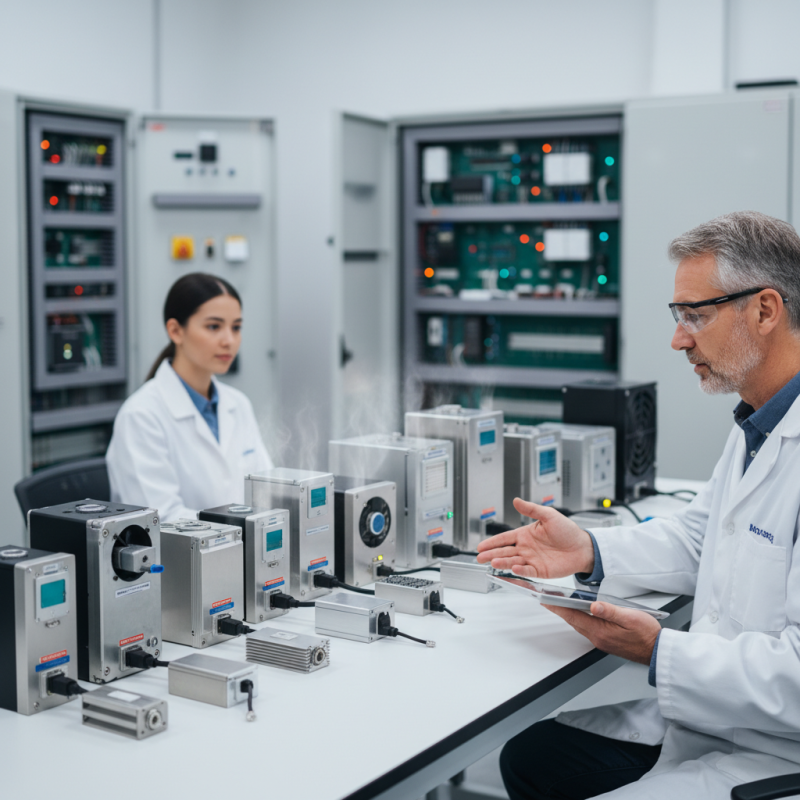
Top Factors to Consider When Choosing an Enclosure Heater for Performance
When selecting an enclosure heater, several key factors must be considered. The size of the enclosure is crucial. Ensure the heater can adequately cover the area without creating hot spots. Measure the enclosure dimensions accurately. This will help in choosing the right heater capacity.
Another important factor is the heater type. Options include convection, radiation, and fan-forced. Each type has its benefits and drawbacks. For example, convection heaters might not distribute heat evenly. Conversely, fan-forced models provide better circulation but may be noisier. Assess your needs based on the environment.
Tips: Think about energy efficiency. Some heaters consume more power than others. A higher efficiency rating can save on operating costs. Additionally, consider the heater's safety features. Overheating can be a real hazard. Look for automatic shut-off mechanisms.
Also, placement of the heater matters. Avoid installing directly on surfaces that can't withstand high temperatures. It may lead to damage. Reflect on how you access your enclosure. A layout that allows easy maintenance is essential. Regular checks ensure the heater operates effectively.
Comparison of Different Types of Enclosure Heaters and Their Applications
Enclosure heaters come in various types, each serving unique applications. These heaters can be categorized into convection, radiation, and conduction types. Convection heaters circulate warm air, while radiation heaters emit infrared heat. Conduction heaters transfer heat directly via contact. Depending on your needs, one may be more suitable than the others.
In industrial settings, convection heaters are often preferred. They effectively warm larger spaces, ensuring equipment stays functional. However, they may take longer to reach optimal temperatures. Radiation heaters, on the other hand, provide instant warmth. They are ideal for small areas where quick heating is essential. Yet, their coverage is limited.
Conduction heaters excel in precise temperature control. They are commonly used in enclosures housing sensitive electronics. However, they might not distribute heat evenly throughout larger spaces. Ultimately, selecting the right heater depends on your specific requirements and the physical constraints of your enclosure. Each type has pros and cons. Understanding these will lead to better decision-making.
Top 10 Enclosure Heater Options for Optimal Performance
| Heater Type | Power Range (W) | Voltage (V) | Temperature Range (°C) | Application |
| Ceramic Heater | 100-1500 | 120/240 | -20 to 100 | General purpose |
| Convection Heater | 500-2000 | 230 | 0 to 70 | Industrial enclosures |
| Radiant Heater | 400-1200 | 120 | -10 to 65 | Damp locations |
| Fan-driven Heater | 300-2000 | 120/240 | -20 to 85 | Large enclosures |
| Silicone Rubber Heater | 10-1000 | 12/24 | -50 to 120 | Flexible applications |
| Tubular Heater | 250-2000 | 240 | 0 to 90 | Process heating |
| Immersion Heater | 100-3000 | 120/240 | 20 to 100 | Liquid heating |
| Panel Heater | 200-1000 | 230 | -20 to 60 | Small spaces |
| Heat Tape | 10-50 | 120 | -60 to 100 | Pipe freeze protection |
| Heat Exchanger | 500-5000 | 120/240 | 10 to 60 | Air-to-air heating |
Key Specifications and Features for Optimal Heating Efficiency
When selecting an enclosure heater, key specifications matter. The heater’s wattage can signal its efficiency. Most industry reports indicate that heaters ranging from 100 to 1,500 watts are common for small to medium enclosures. A higher wattage often means faster heating. However, the balance between wattage and energy consumption is crucial.
Another vital specification is the heater's temperature settings. Heaters with adjustable thermostats and timers help optimize performance. Users can customize heat levels for different conditions. Some reports suggest that maintaining a stable temperature within enclosures can reduce energy costs by up to 30%. Sensors that monitor humidity also contribute significantly to achieving the ideal environment.
Material durability shouldn't be overlooked. Heaters made of corrosion-resistant materials often last longer in challenging environments. It’s frustrating when a heater fails prematurely due to rust or wear. Monitoring the quality of heating materials may save costs in the long run. Surprisingly, not all options emphasize this feature, leading to concerns about longevity and reliability.
Industry Standards and Guidelines for Enclosure Heater Performance
When selecting enclosure heaters, industry standards play a crucial role in ensuring optimal performance. According to a report by the Thermal Management Association, maintaining a consistent temperature within enclosures helps avoid equipment failures. It is noted that nearly 30% of unplanned downtimes result from temperature fluctuations. Adhering to the NEMA (National Electrical Manufacturers Association) standards can significantly aid in minimizing such risks.
Energy efficiency is also critical. The U.S. Department of Energy highlights that energy-efficient heaters can reduce operational costs by approximately 20% year-on-year. This data emphasizes the importance of choosing heaters that comply with energy efficiency regulations. However, many users overlook thermal losses due to poor insulation. This oversight can lead to higher energy consumption and inefficient heating. Addressing insulation needs is a vital aspect often neglected.
Lastly, monitoring and control systems are essential. The latest industry guideline from the International Electrotechnical Commission (IEC) suggests integrating smart controls for dynamic temperature management. Implementing such systems helps users respond to real-time changes. Yet, some still rely on outdated mechanisms that lack flexibility. This inflexibility can hinder performance in varying conditions. Improving awareness about these standards can significantly enhance enclosure heater effectiveness.
Case Studies of Successful Enclosure Heater Implementations in Various Sectors
In various sectors, enclosure heaters play a critical role in ensuring optimal performance. For instance, in agricultural environments, maintaining stable temperatures is crucial. One study showed that fluctuations led to crop stress. An enclosure heater efficiently regulated heat, preventing loss. It kept temperatures consistent, allowing farmers to achieve greater yields.
Similarly, in telecommunications, protecting sensitive equipment is vital. A well-implemented heater maintains a stable environment. A case highlighted a telecom company that faced equipment failures due to freezing temperatures. After integrating an enclosure heater, reliability improved significantly. Yet, not all implementations were successful. One project experienced overheating issues due to poor placement.
These examples offer valuable insights. Each sector has unique requirements. Proper planning and execution are essential for success. Attention to detail can make a huge difference. There’s always room for improvement, reminding us to reflect on previous implementations. Enclosure heaters are not one-size-fits-all; customization is key.



 Distributors
  SDS Download
  Contact