
Partner Login
Enter your username and password here on order to log in on the partner portal:
No registered partner yet?
Register nowChina has become a major sourcing base for Extrusion Machine Parts, serving profiles, pipes, films, sheets, and recycling lines worldwide. Yet “top manufacturer” should mean more than a low quotation. It should reflect stable tolerances, suitable steel grades, controlled heat treatment, and dependable technical support.
In extrusion plants, small defects can create large losses. A worn screw flight may increase melt temperature. A poorly finished die can leave visible profile lines. Delivery delays can stop an entire production schedule. For this reason, buyers should examine machining capacity, inspection records, material traceability, and practical experience with similar polymers. Ask for drawings, dimensional reports, hardness results, and sample parts. Good suppliers should answer clearly. They should also admit limits.
Dr. Wolfgang Michaeli, a respected plastics-processing specialist, has emphasized a practical principle: “Extrusion quality depends on controlling many details, not on one perfect machine.” This idea remains relevant when comparing Chinese manufacturers. A supplier may offer excellent CNC equipment, but weak communication can still create expensive misunderstandings. Another company may provide attractive prices, yet lack consistent replacement support. That matters.
This guide introduces leading Chinese manufacturers of Extrusion Machine Parts and explains how to evaluate them fairly. It considers product range, engineering capability, quality systems, customization, delivery performance, and after-sales service. Factory visits, trial orders, and independent verification can improve confidence. Still, no ranking is permanent. Markets change, equipment ages, and even experienced buyers sometimes overlook a small specification. That is worth remembering.
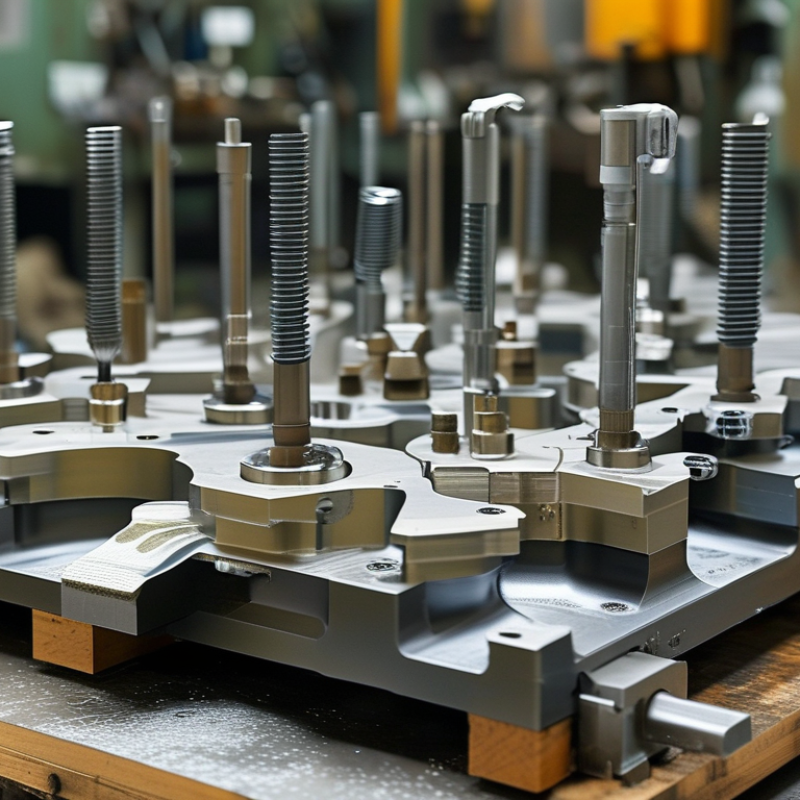
Extrusion machine parts shape, heat, compress, and transport plastic material. Key components include screws, barrels, dies, heaters, thermocouples, gearboxes, screens, and seals. Each part controls melt pressure, temperature, output, and product consistency. A worn screw may increase residence time and create uneven color. A damaged die can produce thicker edges or unstable profiles. Small parts, serious consequences.
The 2024 Plastics Europe report recorded 413.8 million tonnes of global plastic production in 2023. This scale increases pressure on processors to improve uptime and reduce waste. The U.S. Department of Energy reports that motor-driven systems can use more than 70% of industrial electricity. Therefore, gearbox condition, motor alignment, and lubrication deserve close attention. In practical maintenance, part quality often matters more than purchase price. However, specifications alone do not guarantee long service life. Installation, material selection, cooling, and operator habits can change results.
Tips: Check screw and barrel wear regularly. Measure die temperature at several points. Keep spare heaters, sensors, seals, and screens available. Match alloy hardness with the material being processed. Review supplier drawings, tolerance data, test records, and replacement support before ordering. A simple maintenance log can reveal repeated failures, although many teams still underestimate its value.
A high-quality extrusion machine begins with its core components, not its polished frame. The screw must match the material, output target, and temperature range. A balanced screw creates steady melting and reduces pressure swings. Its flights need accurate machining and a durable surface. Small errors become visible as uneven strands. The barrel matters just as much. Tight internal tolerances support stable pressure and reduce material leakage. Proper heating zones should respond quickly without creating hot spots. Heat control is critical.
Reliable components also protect production consistency. Hardened gearboxes transmit torque with limited vibration and controlled noise. Bearings need correct loading, lubrication, and sealing against dust. A strong die maintains uniform flow across the product width. Its channels should be smooth, accessible, and easy to inspect. Sensors must measure pressure and temperature near the actual process. Cheap sensors can make good hardware look unreliable. They can.
From hands-on maintenance, access often determines real machine value. Operators need simple paths to clean the die, replace heaters, and check wiring. Safety guards should remain practical, not merely decorative. Documentation should include tolerances, spare-part details, and calibration procedures. I would question impressive output claims without long-run test data. A machine may perform well for one hour, then drift after eight. Cooling design, control software, and assembly quality deserve equal attention. No component works alone. A careful factory audit, sample trial, and service response reveal more than photographs.
China’s top extrusion machine parts manufacturers differ most in consistency, not catalog size. Experienced producers usually control alloy selection, heat treatment, machining, and final inspection in one workflow. This reduces variation between replacement parts. A screw with uneven nitriding can wear quickly near the feeding zone. A barrel with poor internal finishing may increase melt pressure and energy use.
Strong manufacturers provide measurable evidence. Look for material certificates, hardness reports, dimensional records, and batch traceability. For example, a supplier should explain whether a screw uses nitrided steel, bimetallic alloy, or another specified material. It should also report critical tolerances, surface roughness, and straightness. These details matter when a barrel must match an existing machine without repeated adjustments.
Service quality creates another clear difference. Better suppliers review drawings, polymer conditions, output targets, and operating temperatures before quoting. They can suggest changes for abrasive, filled, or heat-sensitive materials. Some offer trial fitting or technical support during installation. However, no manufacturer is perfect. Delivery promises may weaken during complex tooling projects, and impressive inspection documents cannot replace production experience. Buyers should request sample reports, factory photos, reference projects, and a realistic replacement schedule. Price still matters, but the lowest offer may conceal thinner coatings, weaker steel, or limited after-sales support. That mistake becomes expensive when production stops.
| Comparison Dimension | Typical Capability Range | Higher-End Capability | Buyer Evaluation Point |
|---|---|---|---|
| Extruder screw diameter | Approximately 20–250 mm | Customized sizes above 250 mm for large-output applications | Confirm diameter, effective length, flight geometry, and compatibility with the existing barrel. |
| Screw length-to-diameter ratio | Commonly L/D 20:1–36:1 | Specialized designs can exceed L/D 40:1 when process requirements justify it | A longer ratio may improve mixing or melting, but can increase residence time and torque demand. |
| Material options | Nitrided steel, alloy tool steel, and stainless steel options | Bimetallic, powder-metallurgy, or corrosion-resistant alloys for demanding compounds | Select materials according to abrasion, corrosion, temperature, and polymer additives. |
| Surface hardness | Nitrided surfaces commonly measure about 900–1,100 HV, depending on treatment | Specialized coatings and hardened alloys may provide higher wear resistance | Request hardness testing method, case depth, coating thickness, and inspection records. |
| Dimensional tolerance | Produced according to drawing-based tolerances; critical fits are normally specified in hundredths of a millimeter | Coordinate-measuring-machine inspection and inspection reports for critical dimensions | Compare the supplier’s inspection plan with the screw, barrel, die, and gearbox interface requirements. |
| Screw configuration | Single-flight, barrier, mixing, conveying, and segmented designs | Application-specific geometries for high filler loading, recycling, compounding, or reactive processing | Provide polymer type, filler percentage, target output, screw speed, and processing temperature. |
| Barrel construction | Nitrided or alloy-steel barrel sections with heating and cooling provisions | Replaceable wear liners, bimetallic sections, and segmented barrel designs | Check internal wear resistance, cooling-channel layout, alignment, and spare-section availability. |
| Typical lead time | Approximately 3–8 weeks for standard replacement parts | Approximately 8–16 weeks for complex, large, coated, or custom-engineered parts | Lead time depends on drawing approval, material availability, heat treatment, coating, and final inspection. |
| Quality documentation | Material certificate, dimensional report, and basic shipment inspection | Traceability records, heat-treatment report, hardness map, non-destructive testing, and process inspection plan | Documentation quality is often a stronger differentiator than quoted price alone. |
| Customization support | Manufacture from drawings, samples, or equipment model information | Process analysis, screw-design optimization, reverse engineering, and trial-based revisions | Evaluate engineering communication, drawing review, and ability to validate the design before production. |
| After-sales support | Installation guidance, replacement support, and standard warranty terms | Remote commissioning, wear analysis, process troubleshooting, and planned spare-parts support | Ask how claims, dimensional issues, premature wear, and emergency replacement orders are handled. |
| Best-fit application | Standard extrusion, pipe, profile, sheet, film, and general replacement work | Recycling, glass-fiber or mineral-filled compounds, high-temperature polymers, and continuous heavy-duty operation | The most suitable supplier is determined by process conditions, not by size or price alone. |
Note: The figures shown are industry benchmark ranges for extrusion machine parts and are not rankings or product claims for any specific company or brand. Final specifications should be confirmed against approved drawings, material certificates, and inspection reports.
When evaluating extrusion machine parts manufacturers in China, buyers should examine measurable quality standards. Check dimensional tolerances against approved drawings, not general promises. Critical shafts, screws, and barrels need inspection records for diameter, concentricity, and surface roughness. These details affect melt stability and machine wear.
Material quality also deserves close attention. Request heat treatment reports, material certificates, and hardness results for every production batch. For alloy components, verify chemical composition through independent testing when the application is demanding. Reliable manufacturers should provide traceability from raw material to final inspection. ISO 9001 certification can support process control, but it cannot replace physical testing. A certificate alone proves little.
Tips: Ask for sample inspection data before ordering. Confirm testing equipment and calibration dates. Review rejection procedures, packaging methods, and replacement responsibilities. A small trial order may reveal more than a long sales presentation. It is not always the cheapest option. Yet, a low initial price can hide poor coating thickness, uneven machining, or premature cracking. Buyers should also compare test results with actual operating conditions, including temperature, pressure, abrasive fillers, and production speed. Some evaluations remain imperfect because suppliers may present only successful samples. Independent inspection is worth considering for high-value parts.
Choosing a Chinese manufacturer for extrusion machine parts requires more than comparing online prices. The right supplier should understand die holders, screw elements, barrels, heaters, and temperature-control components. Ask for drawings, material grades, machining tolerances, and heat-treatment records. Clear documents reveal technical discipline.
Request a sample part before placing a large order. Measure critical surfaces with calibrated tools, especially bore diameter, thread accuracy, and sealing areas. I have seen attractive quotations fail because packaging protected the box, not the finished part. Confirm inspection methods, production capacity, minimum order quantities, and realistic lead times. A factory should explain problems without hiding behind vague promises.
Communication also deserves a practical test. Send one detailed inquiry and judge the response. Does the engineer identify missing dimensions? Can the team discuss wear, corrosion, and operating temperature in precise terms? Request recent inspection reports and references from comparable extrusion applications. If possible, arrange a video audit showing raw-material storage, machining areas, and final inspection. No audit is perfect. My own early supplier checks sometimes focused too heavily on equipment and overlooked corrective-action records. That mistake taught me to examine how defects are tracked, repaired, and prevented. A reliable manufacturer welcomes technical questions, records changes, and confirms every revision before production. Get all specifications, acceptance criteria, and warranty responsibilities in writing.