Top Chicken House Equipment for Global Buyers Now?
The global poultry industry relies heavily on high-quality Chicken House Equipment to ensure efficient production. According to a report by MarketsandMarkets, the poultry equipment market is projected to reach USD 3.29 billion by 2028, reflecting a significant increase in demand. This growth emphasizes the critical role that advanced equipment plays in optimizing farm operations and improving animal welfare.
Modern Chicken House Equipment includes climate control systems, feeding solutions, and waste management tools. These technologies not only enhance productivity but also address growing concerns about environmental sustainability. Recent studies indicate that properly managed facilities can reduce resource waste by up to 30%. However, the transition to advanced systems can be daunting for many producers, who may struggle with the costs and technical requirements.
Potential buyers must carefully evaluate their options. Not all Chicken House Equipment is created equal, and selecting the right solutions requires expertise. Many businesses find themselves overwhelmed by choices and insufficient information. Therefore, it is essential to research and engage with credible suppliers who understand the specific needs of the local market.
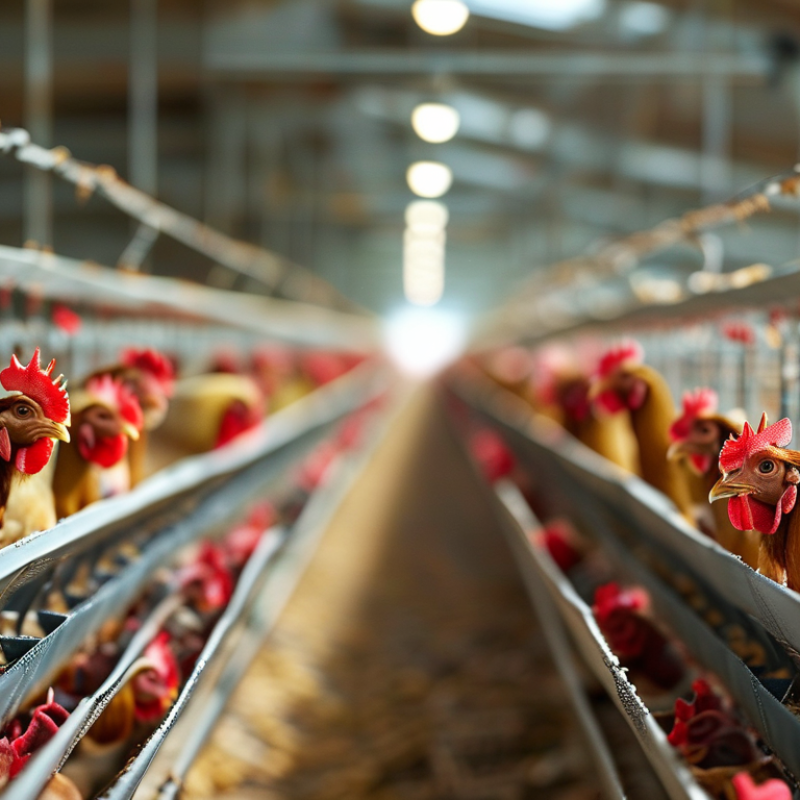
Essential Criteria for Selecting Chicken House Equipment
When selecting chicken house equipment, understanding essential criteria is crucial for global buyers. Efficiency in feeding systems plays a significant role. Research shows that automated feeding can increase feed conversion rates by up to 8%. This efficiency not only saves costs but also improves bird growth rates.
Ventilation systems are another critical consideration. Poultry farms that utilize advanced ventilation methods report a decrease in respiratory diseases among chickens. Proper airflow can reduce humidity and ammonia levels, contributing to healthier flocks. Moreover, effective heating and cooling options can enhance production outcomes. Consider industry reports indicating that temperature control directly affects poultry weight gain.
Investing in quality equipment is vital. However, global buyers should not overlook the importance of maintenance and support. Many reports indicate that poor maintenance can lead to breakdowns, resulting in financial losses. While choosing new technology, it is essential to weigh potential challenges. Compatibility with existing systems sometimes poses unexpected difficulties. As the industry evolves, staying informed about trends is key.
Overview of Popular Chicken House Equipment for Global Buyers
When selecting chicken house equipment, understanding the essential tools can significantly enhance poultry farming. Successful operations depend on equipment that ensures optimal health and productivity of the birds. Key elements include feeders, drinkers, heating systems, and ventilation. Each tool plays a vital role in maintaining a comfortable environment for the chickens.
Tips: Choosing the right feeder can reduce waste and ensure even feed distribution. Look for models that are easy to clean. A solid heating system is critical for maintaining temperature. Install a programmable thermostat for better control.
Ventilation is often overlooked but crucial. Proper airflow prevents respiratory issues among birds. Using adjustable vents can help regulate air circulation based on changing weather conditions. Investing in quality equipment may seem costly initially, but it pays off in the long run through improved yields and healthier chickens.
Tips: Regular maintenance is essential. Check all equipment frequently to prevent breakdowns. Keep an eye on ventilation systems as they can become clogged over time, impacting air quality. It’s important to reflect on your choices. What works well in one setting may not be effective in another. Adapt strategies based on your specific environment and needs.
Innovative Technologies in Modern Chicken Farming Equipment
Innovative technologies are transforming modern chicken farming equipment. The global poultry equipment market is expected to reach $3.31 billion by 2025. This growth reflects the rising demand for efficiency and sustainability in farming practices.
Automatic feeding systems have changed how farmers operate. These systems allow consistent and precise feeding, reducing waste. According to a recent industry report, using automatic feeders can lead to a reduction in feed costs by up to 15%. However, farmers must evaluate the initial investment against long-term savings.
Climate control systems have also gained traction. They maintain optimal temperatures in poultry houses. This is crucial for poultry health and productivity. Studies indicate that proper ventilation can improve growth rates by 10-15%. Yet these systems require regular maintenance, and farmers sometimes overlook this aspect. Advanced monitoring technologies, such as IoT devices, offer real-time data. They help farmers respond quickly to environmental changes. Ultimately, balancing high-tech solutions with practical limitations is essential for success.
Innovative Technologies in Modern Chicken Farming Equipment
Considerations for Climate and Location in Equipment Selection
When selecting chicken house equipment, climate and location play crucial roles. Different environments demand specific solutions. For instance, equipment must adapt to humidity and temperature variations. According to the Global Poultry Equipment Market report, poultry production is projected to grow by 3% annually. This growth emphasizes the need for innovative solutions tailored to diverse climates.
For warmer regions, ventilation systems are vital. A report from the Food and Agriculture Organization suggests adequate airflow can improve bird health and productivity. In colder climates, insulation and heating mechanisms are necessary. A 2019 study highlighted that facilities with proper insulation improved energy efficiency by 25%. These factors demonstrate that local conditions influence equipment choices significantly.
Moreover, financial aspects cannot be ignored. Investment in tailored solutions can be daunting. However, the return on investment often justifies the initial outlay. Skimping on appropriate equipment can lead to higher operational costs and lower yields. Each location requires thoughtful consideration of local climate and conditions to maximize efficiency and effectiveness.
Cost Analysis: Budgeting for Chicken House Equipment Purchases
Investing in chicken house equipment can be a complex decision for global buyers. Recent analyses reveal a significant variance in costs, influenced by factors like technology, size, and specific functionalities. For instance, an automated feeding system can range from $5,000 to $50,000, depending on its sophistication. Understanding this spectrum is crucial. It helps buyers assess their operational needs and budget constraints effectively.
A report by the Food and Agriculture Organization (FAO) indicates that farms utilizing modern equipment see a 20% increase in productivity. However, there’s a fine line between investing and overspending. While high-tech systems promise efficiency, they require proper maintenance and training. Neglecting these can lead to underperformance and increased operational costs over time. Some might find themselves drawn to flashy equipment without fully gauging its long-term viability.
Additionally, the initial purchase cost is just the beginning. Hidden expenses, such as installation and ongoing maintenance, can be substantial. It’s essential to factor these into the overall budget. Analyses indicate that maintenance can consume up to 15% of the equipment’s initial cost annually. This statistic underscores the necessity for a careful evaluation of all associated costs before committing to any purchase.



 Distributors
  SDS Download
  Contact