
X

Partner Login

Enter your username and password here on order to log in on the partner portal:

No registered partner yet?

Register now

Top 10 Benefits of Pressure Reducing Regulators You Need to Know

Pressure Reducing Regulators (PRRs) play a crucial role in various industries. They help manage pressure levels effectively, ensuring safety and efficiency. According to a report by the International Society of Automation, improper pressure regulation contributes to 30% of system failures in manufacturing plants. This showcases the importance of implementing reliable PRRs in industrial processes.

Renowned engineer, Dr. Emily Johnson, states, "Effective pressure management is essential for operational success." Her insights reflect the industry’s focus on the significance of PRRs. These regulators aid in protecting equipment from damage and reducing energy costs. They ensure that systems operate within optimal pressure ranges, which can lead to greater productivity.

Despite their advantages, some industries still overlook the necessity of pressure regulation. Investing in high-quality PRRs may initially seem costly. However, the long-term benefits far outweigh these concerns. Enhanced safety, reduced downtime, and regulatory compliance are vital for sustainable operations. Understanding the benefits of Pressure Reducing Regulators can make a significant difference in operational efficiency and safety.
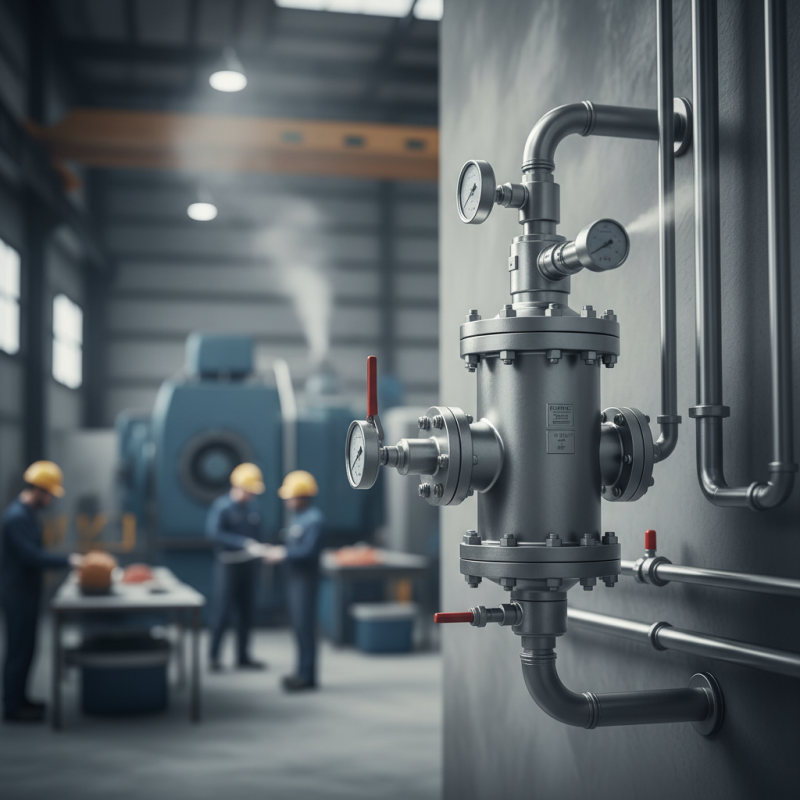
Top 10 Benefits of Pressure Reducing Regulators You Need to Know

Understanding Pressure Reducing Regulators and Their Functionality

Pressure reducing regulators play a crucial role in various industries. They help maintain consistent pressure levels in gas and fluid systems. This functionality is essential for ensuring safety and efficiency. To illustrate, a report from the American Society of Mechanical Engineers highlights that improper pressure management can lead to accidents and equipment failures, with costs reaching millions annually.

These regulators adjust pressure by utilizing a diaphragm or similar mechanism. When the inlet pressure exceeds the desired level, the regulator activates, reducing the output pressure. This real-time adjustment is vital in systems ranging from HVAC to industrial manufacturing. According to industry data, effective regulation decreases energy consumption by up to 25%, translating into significant cost savings over time.

However, not all systems seamlessly integrate pressure reducing regulators. Poor installation or maintenance can undermine their effectiveness. Issues such as wear and tear can lead to pressure spikes. Hence, regular inspection is necessary to ensure reliability. Reflecting on regulator performance highlights the importance of proactive measures in maintaining optimal function.

Key Benefits of Using Pressure Reducing Regulators in Various Applications

Pressure reducing regulators (PRRs) play a vital role in various industries. These devices ensure that systems operate within safe pressure limits. For example, in natural gas applications, they help maintain pressure to avoid leaks or dangerous explosions. A report from the American Gas Association noted that well-regulated systems can reduce incidents by 30%.

In the field of manufacturing, PRRs aid in optimizing machinery performance. Controlled pressure enhances efficiency, contributing to less energy waste. An estimate from the Energy Efficiency Office shows that proper regulation can cut consumption by up to 15%. However, not all systems are equipped with effective regulators, resulting in inefficiencies. This oversight often reflects on operational costs that can be avoided with proper investment.

Healthcare uses PRRs for gas delivery systems, ensuring patient safety. For instance, high-pressure oxygen can lead to combustion risks. The National Fire Protection Association highlights that using PRRs in healthcare prevents 40% of potential incidents. Despite these benefits, many facilities overlook necessary maintenance. Regular checks are crucial for ensuring reliability and safety in these high-stakes environments.

Top 10 Benefits of Pressure Reducing Regulators

Enhancing Safety and Efficiency with Pressure Reducing Regulators

Pressure reducing regulators play a critical role in enhancing safety and efficiency in various systems. By maintaining a consistent pressure, they prevent equipment damage and ensure optimal performance. In industrial settings, fluctuations in pressure can lead to equipment failure. Regulators mitigate these risks by controlling pressure levels effectively.

These devices are not just about safety; they also improve energy efficiency. When pressure is too high, systems consume more energy. Proper regulation can lead to significant energy savings. However, it's essential to regularly check and maintain these regulators. Sometimes, they might not function as expected due to wear and tear. A neglected regulator can increase risks instead of reducing them.

In residential applications, pressure reducing regulators help protect plumbing systems. Without them, high water pressure can cause leaks and damage. Interestingly, many homeowners may overlook their importance. They might not realize the potential repercussions of not using them. Regular inspections can ensure these devices work efficiently and safely.

Top 10 Benefits of Pressure Reducing Regulators You Need to Know

Benefit Description Impact on Safety Impact on Efficiency
Pressure Control Maintains consistent pressure within a system. Reduces risk of system failure due to overpressure. Improves process reliability and longevity.
Energy Savings Reduces energy consumption by lowering demand pressure. Enhances operational safety by minimizing excess energy use. Increases overall system efficiency.
Equipment Protection Protects downstream equipment from high pressure. Prevents potential damage and accidents. Extends the life of equipment.
Flow Control Regulates flow rate for optimal process performance. Ensures safe operating conditions. Enhances production efficiency.
Lower Maintenance Costs Minimizes wear and tear on systems. Fewer breakdowns lead to safer operations. Reduces operational costs.
Versatility Applicable in various industries and applications. Enhances safety in diverse operating environments. Streamlines processes across different systems.
Enhanced Performance Optimizes system performance. Improves safety margins. Increases productivity levels.
Regulatory Compliance Helps in meeting safety and environmental regulations. Reduces risk of legal issues. Ensures sustainable operations.
User-Friendly Operation Simplifies system management and monitoring. Promotes safer user interaction. Facilitates quicker response times.
Cost Effectiveness Reduces costs associated with energy and maintenance. Lowers risks and liabilities. Maximizes return on investment.

Cost Savings and Resource Management through Pressure Regulation

Pressure reducing regulators play a vital role in cost savings and efficient resource management. By maintaining consistent pressure, these devices help prevent energy waste. Fluctuating pressure can lead to increased operational costs. A stable system improves overall performance and reduces wear on equipment.

Implementing pressure regulation can drastically lower energy bills. Many facilities overlook this aspect. They might assume everything runs smoothly without regulation. However, high-pressure systems can lead to unnecessary energy consumption. This often results in higher utility costs that could be avoided.

Moreover, resource management becomes more efficient with proper pressure control. It enables better distribution of fluids or gases. This translates into reduced waste and improved productivity. Decisions made without considering pressure regulation can result in lost resources. Addressing this issue can lead to more sustainable practices. Ultimately, recognizing the need for effective pressure management is essential for long-term financial health.

Improving System Longevity with Proper Pressure Control Techniques

Pressure reducing regulators play a crucial role in controlling system pressure. By maintaining optimal levels, they help extend the lifespan of various equipment. Consistent pressure reduces wear and tear on components, leading to fewer breakdowns. This can save both time and money for operators.


Effective pressure control techniques enhance overall safety. Proper regulation minimizes the risks of unexpected pressure surges. These surges can cause serious damage, resulting in costly repairs. Not just financial implications, but safety concerns as well. Equipment longevity is not just about performance; it's also about ensuring safe operations.


However, maintaining these regulators requires diligence. Over time, they can become less effective. Regular inspections and adjustments are necessary. Neglecting these tasks can lead to unforeseen issues. Operators must remain vigilant, as complacency can cause significant setbacks.