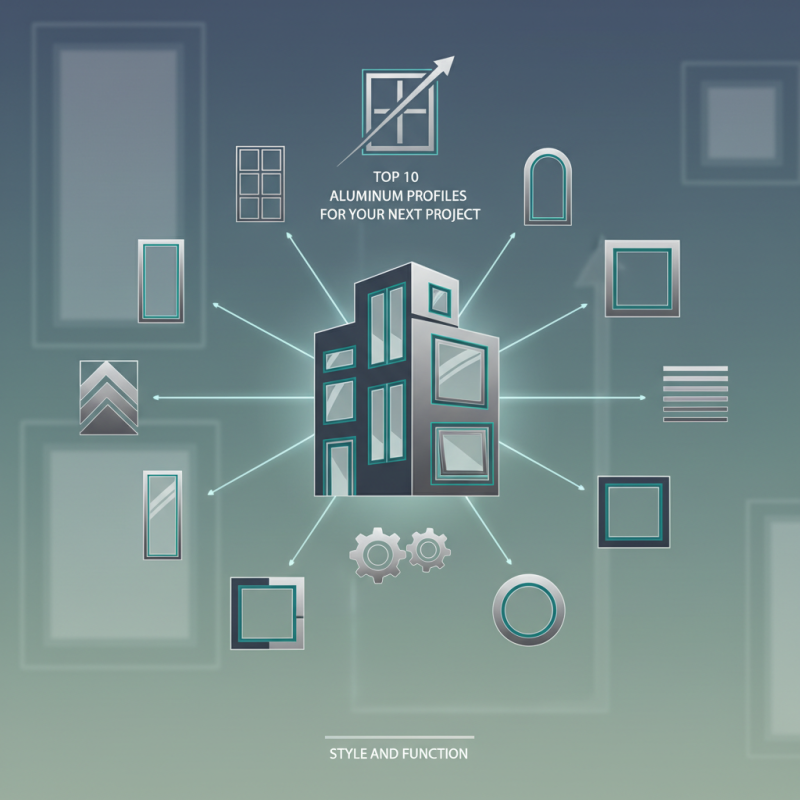
Top 10 Aluminium Window Profiles for Your Next Project?
When it comes to choosing the right materials for your next construction project, Window Profiles Aluminium stands out. This versatile option is not only durable but also highly customizable. Aluminium window profiles offer excellent thermal performance and are lightweight, making them perfect for various designs.
In this guide, we will explore the top 10 aluminium window profiles available today. We'll look at their unique features and benefits, helping you make informed choices. The right window profile can significantly enhance the aesthetics and efficiency of a building.
However, selecting a window profile is not always straightforward. Each project has specific needs and preferences. It's essential to evaluate the balance between style and function. By understanding your options, you can avoid common pitfalls in this crucial decision-making process.
Overview of Aluminium Window Profiles: Definition and Importance
Aluminium window profiles play a critical role in modern architecture. They provide strength, durability, and aesthetic appeal. In fact, studies show that aluminium windows can last up to 30 years with minimal maintenance. This longevity makes them a popular choice in both residential and commercial projects. Their ability to withstand various weather conditions further enhances their appeal.
The importance of aluminium window profiles is underscored by their thermal efficiency. According to a report by the Aluminium Federation, well-designed profiles can reduce heat loss by up to 60%. This efficiency not only lowers energy costs but also contributes to sustainability. Projects aimed at reducing carbon footprints increasingly incorporate these profiles to meet environmental standards.
However, selecting the right profile is not straightforward. Many factors, such as local climate and building codes, must be considered. Designers often face challenges in balancing aesthetics with functionality. They need to ensure that the profiles offer adequate insulation while still complementing the building's design. Ultimately, understanding these profiles' strengths and potential limitations is essential for successful project execution.
Key Properties of Aluminium Windows: Durability, Thermal Performance, and Cost
Aluminium windows offer a blend of durability, thermal performance, and cost-effectiveness, making them a popular choice for many construction projects. Their strength is one of the key properties. Aluminium frames resist warping and bending over time, maintaining their shape and functionality. This ensures long-term reliability, particularly in extreme weather conditions.
Thermal performance is another critical aspect. With the right insulation, aluminium windows can effectively minimize heat transfer. This means lower energy bills and enhanced comfort inside the building. However, not all aluminium profiles are created equal; some may perform better than others. It’s important to consider the thermal break technology, which can significantly improve performance.
Cost is a crucial factor as well. While aluminium windows may initially seem pricier than other materials, their longevity can offer savings in the long run. Yet, budgeting is essential. Installation costs can vary widely, and unanticipated complications may arise. Evaluating options and seeking expert advice can help mitigate potential overspending.
Top 10 Aluminium Window Profile Manufacturers: Market Leaders and Innovations
Aluminium window profiles have gained immense popularity in the construction industry. Many manufacturers excel in creating high-quality products. Their innovations keep evolving, offering a range of options for builders and architects.
When selecting profiles, consider durability and thermal efficiency. Energy-efficient windows reduce heating costs. Moreover, aesthetic appeal can enhance the overall look of a building. Look for profiles that offer various finishes. This allows customization according to project needs.
Tips: Choose a manufacturer known for sustainability. Eco-friendly materials matter more than ever. Also, test different types of profiles before making a decision. Each design has unique benefits and drawbacks. Some may not fit all environments.
Lastly, always check customer feedback. This provides insights into real-world performance. Understanding the challenges faced by others can guide your choices. Quality profiles are an investment. Make sure to assess necessary specifications before proceeding.
Comparison of Popular Aluminium Window Profiles: Features and Applications
Aluminium windows are a popular choice for modern construction. They offer durability, energy efficiency, and aesthetic appeal. Several profiles are available, each designed to meet specific needs and applications. For example, some profiles are optimized for thermal insulation, which can greatly enhance energy efficiency in buildings. These profiles often come with additional features like thermal breaks that help minimize heat transfer.
Another aspect to consider is design flexibility. Some aluminium window profiles allow for a wide range of styles, including casement, sliding, and tilt-and-turn windows. These options can influence the overall look of a building. It's important to balance functionality and aesthetic choices. A profile may perform well but not align with your vision.
Additionally, installation ease plays a crucial role in project success. Some profiles are engineered for straightforward assembly, reducing labor time. However, not all profiles are equally user-friendly. This can lead to delays or unexpected costs, requiring reflection on your choices. Selecting the right aluminium window profile demands careful consideration of features, applications, and your project's unique requirements.
Top 10 Aluminium Window Profiles: Features and Applications
Sustainability in Aluminium Windows: Recycling Rates and Eco-friendly Practices
Aluminium windows have gained popularity for their sustainability. Recycling rates for aluminium are impressive, with up to 75% of aluminium produced still in use today. This statistic highlights the metal's durability and adaptability. The ability to recycle aluminium is essential in reducing waste and conserving resources.
The eco-friendly practices in aluminium sourcing are noteworthy. Aluminium can be recycled indefinitely without losing quality. This creates a closed-loop system that minimizes the need for virgin materials. However, the initial extraction of bauxite can have significant environmental impacts, including deforestation and habitat destruction.
A report from the International Aluminium Institute indicates that primary aluminium production emits about 16 tons of CO2 for every ton produced. Improving energy efficiency in production processes is vital. Many manufacturers are now adopting renewable energy sources to mitigate this impact. Choosing aluminium windows is a step towards a more sustainable future, but continuous improvements in production are necessary to enhance overall sustainability.



 Distributors
  SDS Download
  Contact