
X

Partner Login

Enter your username and password here on order to log in on the partner portal:

No registered partner yet?

Register now

What Is the Top Air Conditioning Type in 2026?

What is the top Air Conditioning type in 2026? The answer depends on climate, building design, energy prices, and daily comfort needs. No single system performs best everywhere. A compact inverter heat pump may suit a small apartment, while a ducted variable-speed system can better serve a larger home. In humid regions, moisture control matters as much as cooling capacity.

Current industry guidance increasingly favors efficient, variable-speed technology. These systems adjust output gradually instead of switching fully on and off. That can reduce temperature swings, operating noise, and wasted electricity. In a typical living room, the difference may feel like steady cool air rather than repeated blasts. However, installation quality remains critical. Poor airflow, undersized ducts, or incorrect refrigerant charging can undermine an excellent unit.

The strongest choice is often the system matched to the property, not the most expensive model. Energy labels, seasonal efficiency ratings, warranty terms, and qualified installation deserve careful review. Local technicians can identify insulation problems that equipment alone cannot solve. I have seen homeowners focus on maximum cooling power, then regret higher bills and uneven bedrooms. That mistake is easy to repeat. A smaller, well-designed system may deliver better comfort than an oversized one. Yet technology changes quickly, and advertised efficiency does not guarantee real-world performance. This guide examines the leading Air Conditioning options for 2026, including their strengths, limitations, maintenance needs, and practical suitability. The goal is useful judgment, not a convenient one-size-fits-all answer.
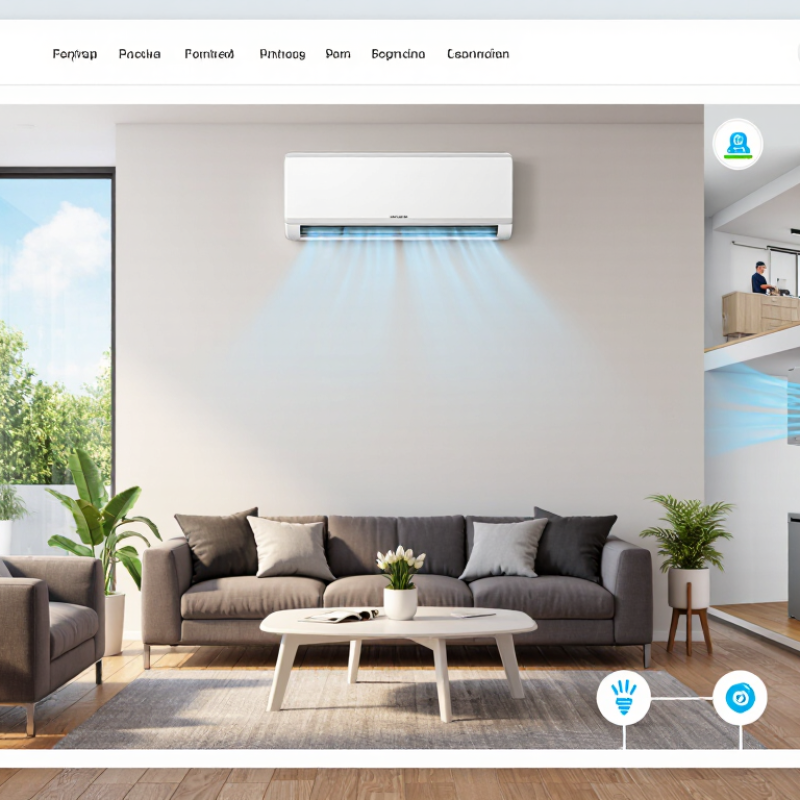
What Is the Top Air Conditioning Type in 2026?

Define “Top” in 2026: Efficiency, Cost, Comfort, and Climate Fit

What Is the Top Air Conditioning Type in 2026?

“Top” no longer means the coldest room or the lowest purchase price. It means the best balance of efficiency, cost, comfort, and climate fit. In many homes, a variable-speed heat pump offers strong cooling, efficient heating, and steadier indoor temperatures. Its compressor adjusts gradually, reducing sudden noise and temperature swings. However, installation costs can be higher than those of basic systems. A lower energy bill may not repay that difference quickly in every region.

Climate changes the answer. Humid areas need reliable moisture removal, while dry regions may benefit from simpler cooling designs or evaporative support. Older homes with narrow ducts can lose much of a system’s efficiency before conditioned air reaches the rooms. Comfort also includes humidity, airflow, sound, and bedroom temperature at night. A qualified technician should measure insulation, duct leakage, electrical capacity, and local weather patterns. Guessing from floor area alone is unreliable.

Tips: Ask for a room-by-room load calculation, not a rough size estimate. Compare installation, electricity, maintenance, and expected repair costs over ten years. Check the system’s seasonal efficiency rating and humidity performance. Keep filters clean, but do not assume the highest rating is always best. I once viewed efficiency as the only answer; that shortcut ignored comfort and budget. The “top” system may be imperfect, but it should fit the home and the people living inside it.

What Is the Top Air Conditioning Type in 2026?

Defining “Top” in 2026: Efficiency, Cost, Comfort, and Climate Fit

Typical U.S. residential planning ranges for 2026. Costs vary by home size, region, labor, electrical work, refrigerant requirements, and ductwork condition. Efficiency ratings are not directly comparable across all system types.
Air Conditioning Type Typical Efficiency Typical Installed Cost
(USD)
Comfort and Control Best Climate Fit Main Limitations Overall 2026 Fit
Ductless Mini-Split Heat Pump Approximately 16–28 SEER2; many models also provide efficient heating $4,000–$14,000 Excellent room-by-room control, quiet operation, and strong humidity management when correctly sized Mild, hot, humid, and mixed climates; especially suitable for homes without ducts or with additions Indoor wall units may affect appearance; multiple zones increase installation cost; filters require regular cleaning Best all-around choice
Central Ducted Heat Pump Approximately 15–21 SEER2; can reduce separate heating and cooling equipment $7,000–$16,000 when suitable ductwork is available Even whole-home cooling, concealed equipment, and compatibility with central air filtration Hot, humid, and mixed climates with existing, well-sealed ducts Duct leakage can reduce performance; less precise room-level control; higher cost if ducts need replacement Best for ducted whole-home comfort
High-Efficiency Central Split Air Conditioner Approximately 13.4–21 SEER2; cooling-only operation $5,000–$12,000 with usable existing ducts Consistent whole-home cooling, low indoor noise, and good humidity removal when properly sized Hot and humid climates where a separate heating system is already installed Does not provide electric heating; loses efficiency through poor ducts; fixed-speed models provide less temperature control Strong conventional option
Packaged Rooftop or Ground-Level Unit Approximately 13.4–16 SEER2 for common residential configurations $6,000–$14,000 Centralized whole-home operation with all major components located outdoors Homes with limited indoor mechanical space and existing package-unit duct systems Usually less efficient than premium split systems; rooftop access can complicate maintenance Practical space-saving option
Evaporative Cooler Often uses substantially less electricity than compressor-based air conditioning $2,000–$7,000 Provides fresh, moving air but limited temperature control and added indoor humidity Hot, dry climates with low outdoor humidity Performs poorly in humid weather; requires water, seasonal maintenance, and adequate ventilation Best only in dry climates
Window or Portable Air Conditioner Approximately 10–15 CEER for window units; portable units commonly provide lower effective efficiency $300–$1,500 per room Fast installation and localized cooling; portable units are generally noisier Apartments, single rooms, temporary housing, or mild cooling loads Limited coverage, more indoor noise, window security concerns, and higher operating cost per cooled area Best for low upfront cost
2026 conclusion: A properly sized ductless mini-split heat pump is the strongest general-purpose choice because it combines high efficiency, zoning, cooling, and heating in one system. A central ducted heat pump may be better for a home with reliable existing ducts and a preference for concealed, whole-home comfort. In hot, dry climates, an evaporative cooler can deliver the lowest electricity use when humidity remains low.

Map the Main Options: Central, Mini-Split, Window, Portable, and VRF

What Is the Top Air Conditioning Type in 2026?

In 2026, no single air-conditioning type wins every home or building. The right choice depends on floor area, insulation, climate, noise tolerance, and installation access. Central air remains strong for larger homes with usable ductwork. It cools multiple rooms evenly, but leaking ducts can waste energy. Mini-split systems suit additions, older homes, and rooms needing independent control. They avoid major duct installation, although indoor units remain visible.

Window units cost less and work well in one small room. Portable units are flexible, yet hoses, floor space, and exhaust heat reduce convenience. VRF is a precise commercial solution for buildings with varied cooling zones. It offers excellent control, but design and commissioning require qualified professionals. For many homes, a correctly sized mini-split may be the strongest 2026 choice. I would not call that answer perfect. One unusually hot summer can change the decision.

Tips: Ask a qualified HVAC professional for a room-by-room load calculation. Do not choose equipment by floor area alone. Check insulation, window exposure, and electrical capacity before comparing prices. Listen to the indoor unit at night, because advertised noise levels may feel different in a bedroom. Inspect filters, coils, condensate drains, and outdoor clearances regularly. A cheaper installation can become expensive when sizing or drainage is wrong.

Apply DOE 2023 SEER2 Minimums and ENERGY STAR’s 15.2 SEER2 Benchmark

What Is the Top Air Conditioning Type in 2026?

For many homes, a high-efficiency ducted split system remains a practical 2026 choice. It works with existing vents and offers strong cooling control. DOE 2023 standards set minimum SEER2 levels, but the exact requirement depends on equipment type and location. In many southern regions, new split central air conditioners must meet at least 14.3 SEER2. Local rules may differ, so verify requirements before ordering.

The 15.2 SEER2 level matters. It is ENERGY STAR’s benchmark for eligible split central air conditioners. This rating can indicate lower electricity use than a basic compliant system. However, SEER2 is a laboratory measurement, not a promise for every home. A poorly sized unit may cycle constantly, even with an excellent rating. That wastes comfort and energy.

Sizing comes first.

A trained technician should measure the home, inspect duct leakage, and check insulation. For example, a 2,000-square-foot house with leaky attic ducts may need repairs before equipment upgrades. Variable-speed operation can improve humidity control and reduce temperature swings. Still, it often costs more upfront. I would not treat 15.2 as a magic number. A correctly sized system near the minimum may perform better than an oversized premium system installed carelessly. Ask for the SEER2 rating, installation details, warranty terms, and local DOE compliance in writing.

Assess Inverter Mini-Split Heat Pumps: IEA Finds 3–5× Higher Efficiency

What Is the Top Air Conditioning Type in 2026?

Inverter mini-split heat pumps are becoming a leading choice for efficient cooling and heating. Unlike fixed-speed systems, they adjust compressor speed to match indoor demand. This reduces repeated starts and keeps room temperatures steadier. The IEA reports that heat pumps can deliver three to five times more heating energy than the electricity they consume, depending on climate, equipment, and installation quality.

That efficiency becomes visible during daily use. A properly sized unit can quietly maintain a bedroom at 22°C while using less power than frequent on-and-off operation. It can also provide heating during colder months, which makes one system more versatile. However, the headline number is not guaranteed. Poor insulation, blocked filters, or incorrect sizing can weaken performance. I once assumed a larger unit would cool faster and save more energy. That assumption was too simple.

Tips: Check the seasonal efficiency rating, not only the maximum number. Ask an experienced installer to calculate room load and inspect insulation. Keep filters clean, and leave outdoor airflow unobstructed. In humid areas, confirm that the system removes moisture effectively. A wall-mounted indoor unit may look modest, but placement affects comfort, noise, and air distribution. The quietest setting is not always the most efficient. Local climate still matters.

Rank the Best Fit by Home Type, Climate Zone, and Installation Constraints

The top air conditioning type in 2026 depends less on marketing and more on your home’s structure, climate, and installation limits. A ducted heat pump ranks highest for larger homes with existing, well-sealed ducts. It cools several rooms evenly and can provide efficient heating in mild winters. However, poor ducts may waste energy inside hot roof spaces.

For apartments, additions, and older houses without ducts, a multi-zone mini-split system usually fits better. Each indoor unit controls a separate room, reducing unwanted cooling. It also needs less wall disruption. The compromise is visible equipment and careful placement. Small rooms may feel uncomfortable if airflow is poorly aimed.

In hot, humid zones, choose equipment with strong moisture removal and a correctly sized compressor. Oversizing can cool the room quickly but leave it damp. In dry climates, efficient variable-speed systems often deliver steadier comfort. Coastal homes need corrosion-resistant installation details. Cold regions require a heat pump rated for low temperatures, sometimes supported by backup heat.

Installation constraints can change the ranking. Limited electrical capacity may require a professional load assessment. Narrow balconies can restrict outdoor-unit clearance. Historic walls may favor compact systems with minimal penetrations. Ask an experienced technician to measure room loads, inspect insulation, and test airflow. These steps matter more than a high efficiency label alone. I would not treat any ranking as permanent; household use, maintenance habits, and future renovations can change the best fit.