
Partner Login
Enter your username and password here on order to log in on the partner portal:
No registered partner yet?
Register nowChoosing a partner for Shenzhen To Los Angeles DDP Shipping takes more than comparing headline rates. Delivery time, cargo visibility, destination handling, and clear communication can all affect the experience. Under DDP, the seller generally arranges delivery and assumes responsibility for applicable import duties and clearance under the agreed Incoterms® rule. Confirm the precise service scope in writing; “all-inclusive” can mean different things between providers.
Supply chain expert Martin Christopher has said, “Competition is no longer between companies, but between supply chains.” That idea matters on this route. A shipment may pass through a Shenzhen warehouse, a port terminal, ocean transit, Los Angeles-area customs processing, and final delivery. Each handoff needs coordination. Small gaps can mean extra storage, revised delivery dates, or surprise charges.
This guide to China Top 10 Shenzhen to Los Angeles DDP Shipping Companies compares providers on practical details: service coverage, tracking, quoted inclusions, and support when plans change. It is a starting point, not a guarantee that one company suits every shipment. Freight prices and transit schedules can shift, and published estimates may not cover every destination or cargo profile. Details matter. Request a written quote that names the delivery address, service mode, included fees, and expected timeline. Then compare like with like. No ranking can capture every shipper’s priorities, and that limitation deserves attention.
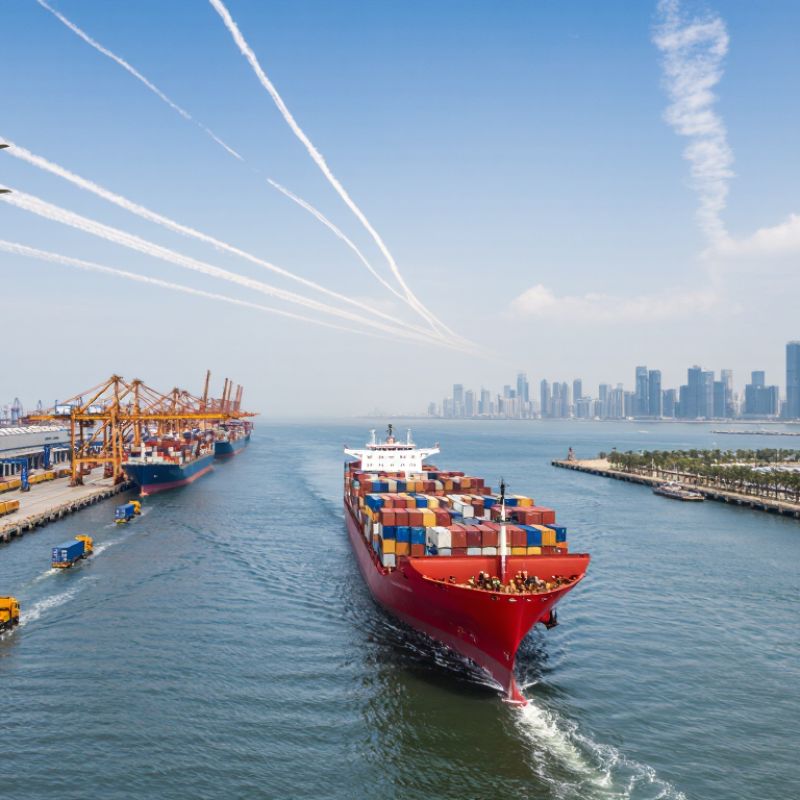
Under DDP (Delivered Duty Paid), the seller arranges transport from Shenzhen to the agreed Los Angeles delivery point and handles export and import clearance, duties, and applicable taxes. The buyer generally receives the goods ready for unloading. The ICC Incoterms 2020 rules place the main transport costs and risks on the seller until delivery at the named destination. Be precise: “Los Angeles” alone may be too vague; specify a warehouse address or other exact location.
A DDP quote should show pickup, export documentation, ocean or air freight, customs brokerage, import charges, and final delivery. Ask which costs are included and what could trigger extra charges, such as storage after a customs hold. UNCTAD’s Review of Maritime Transport 2024 reports that shipping carries over 80% of world trade by volume, underscoring why schedules and port handling matter. Still, a published transit estimate is not a guarantee. Delays happen.
Tips: Request an itemized quote and confirm the delivery address, cargo dimensions, and customs-value basis in writing. Check who will manage import clearance and provide updates. One detail is often missed: unloading may be the buyer’s responsibility. DDP feels simple, but clear handoffs make it work.
Responsibility allocation under Incoterms® 2020 DDP
Under DDP, the seller arranges delivery to the named destination and handles export and import clearance, including applicable duties and taxes. Unloading at the destination is generally not the seller’s responsibility unless agreed separately.
A Shenzhen-to-Los Angeles DDP shipment begins with a clear cargo description, carton count, dimensions, and delivery address. The shipper arranges pickup from a factory or warehouse, then checks labels and packing details before export clearance. A mismatch between the invoice and carton labels can slow the handoff. It happens. Confirm who prepares the shipping documents and who handles each customs step before cargo leaves Shenzhen.
The shipment then moves by air or ocean, depending on its size, budget, and delivery window. Ocean freight usually involves container loading, port handling, and arrival at a Los Angeles-area port. Air freight follows a faster route but still requires careful document checks. Transit estimates are not guarantees; congestion, inspections, or weather can change the schedule. Keep the tracking reference and ask for milestone updates, not just a single arrival date.
Under DDP terms, the seller generally arranges transport and covers agreed import charges through delivery to the named destination. The exact service scope matters. Confirm whether the quote includes customs entry, duties, taxes, terminal handling, and final-mile delivery. At arrival, customs information is reviewed, charges are settled as agreed, and the cargo is released for inland transport. A truck may deliver pallets to a commercial address, where unloading access and appointment rules should be checked in advance. “Door delivery” can sound simple, but the last few meters often need planning.
Shipment-process reference, not a company ranking: The table below outlines a typical ocean-freight DDP shipment from Shenzhen to the Los Angeles area. Transit times are indicative and vary with sailing schedules, customs review, port congestion, cargo type, and final delivery location.
| Step | Shipment stage | Typical timing | What happens | Key information or documents |
|---|---|---|---|---|
| 01 | Product and DDP review | Before booking | The shipper confirms the goods, shipment size, delivery address, and whether the cargo can legally be imported into the United States. The parties agree what the DDP quote includes. | Accurate product description, material and intended use; carton count; dimensions; gross weight; cargo value; delivery ZIP code; and any applicable permits or restrictions. |
| 02 | Classification and landed-cost estimate | Before dispatch | The goods are classified for U.S. import purposes and applicable duties, taxes, and fees are estimated. The final amount depends on the product and the rules in force when the entry is made. | U.S. tariff classification (HTSUS), country of origin, customs value, and any product-specific trade measures. Confirm in writing how duty changes or customs adjustments are handled. |
| 03 | Pickup and export preparation | Often 1–3 business days after cargo is ready | Cargo is collected from the supplier or delivered to a consolidation warehouse. Packages may be counted, measured, weighed, and checked before export arrangements are completed. | Pickup address and hours, packing details, shipping marks, and any special handling needs. Dangerous goods require appropriate declaration and compliant packaging. |
| 04 | Export customs clearance in China | Often 1–3 business days; subject to inspection | The export declaration is submitted and the cargo is cleared for departure. Examination, document corrections, or commodity controls can extend this stage. | Commercial invoice, packing list, export declaration information, and permits or certificates when required for the specific goods. |
| 05 | Origin handling and vessel loading | Schedule-dependent | For a common South China ocean route, cargo may be moved through Yantian or another suitable port. Consolidated cargo is loaded as LCL; larger shipments may use a dedicated FCL container. | Booking confirmation, container or consolidation details, cut-off times, and verified shipping instructions. The chosen port and routing depend on the booking. |
| 06 | Ocean transit to Southern California | Approximately 14–20 days port to port on some direct sailings; schedules vary | The vessel travels from the origin port to the Port of Los Angeles or the Port of Long Beach. Transshipment, blank sailings, weather, and congestion may change the schedule. | Bill of lading or sea waybill details, vessel and voyage information, estimated arrival date, and shipment tracking updates. |
| 07 | U.S. arrival filing and import entry | Before arrival through release; timing varies | Required arrival and security filings are handled, and the import entry is submitted to U.S. Customs and Border Protection. Customs may review documents, request more information, or examine the cargo. | Consistent invoice, packing list, bill of lading data, importer details, tariff classification, customs value, and any applicable agency filings. Importer-of-record arrangements must be lawful and agreed in advance. |
| 08 | Duties, taxes, and customs release | After entry processing; no fixed duration | Under DDP, the seller is responsible for import clearance and applicable import charges under the agreed terms. The cargo can proceed only after the required customs and carrier releases are obtained. | Confirm who funds and pays assessed charges, how customs holds are managed, and what happens if the declared information or duty estimate needs correction. |
| 09 | Port or rail-yard handling and inland transport | Often several days after release; congestion may add time | Once released, the container or freight is moved from the port or terminal toward the delivery area. Drayage, deconsolidation, appointments, and local trucking may be required. | Terminal release, delivery appointment, chassis or drayage arrangements where applicable, and confirmation of whether the address can accept a container or palletized freight. |
| 10 | Final delivery and proof of delivery | After local transport is arranged | The shipment is delivered to the agreed address in the Los Angeles area. DDP does not require the seller to unload the goods; unloading and inside delivery should be agreed separately. | Receiving hours, access restrictions, liftgate or appointment needs, unloading responsibility, shortage or damage notes, and signed proof of delivery. |
Timing note: A door-to-door ocean shipment commonly takes several weeks, and the total can be longer than port-to-port transit because it includes origin handling, customs processing, and final delivery. DDP cost and timing are shipment-specific; confirm the Incoterms® 2020 delivery point and all included charges in the written quotation.
When comparing DDP shipping companies for a Shenzhen-to-Los Angeles shipment, look beyond the headline price. Ask for an itemized quote covering pickup, export handling, ocean or air transport, import duties, taxes, customs clearance, and final delivery. Confirm the named delivery point, such as a warehouse dock or business address. Small omissions can create large surprises.
Check whether the company can explain its route, estimated transit time, and likely delays in plain language. Ask how often tracking updates are provided and who handles exceptions, such as a missed sailing or a delivery appointment change. Request evidence of relevant shipping experience, clear insurance options, and written service terms. Under DDP, responsibilities can depend on the contract and shipment details, so clarify who pays each charge and who provides required documents. A low quote may still look attractive. I would compare it line by line before deciding.
Tips: Send the same cargo details to every provider: dimensions, weight, packaging, pickup location, and delivery address. Ask each to list exclusions in writing. Keep it specific. A vague answer is worth questioning, even when the salesperson sounds confident.
These profiles describe service models, not a verified ranking of named companies. One provider type bundles factory pickup, export handling, ocean freight, and Los Angeles delivery. Another focuses on air freight for compact, time-sensitive shipments. A third offers consolidation for smaller cargo, though transit times may vary. A fourth coordinates container bookings and delivery appointments for full loads. A fifth emphasizes shipment visibility, with milestone updates from pickup to proof of delivery.
A sixth provider type supports customs paperwork and explains how duties and taxes appear in its quote. A seventh arranges warehouse receiving, pallet checks, and cargo photos before departure. An eighth focuses on flexible routing when port congestion disrupts schedules. A ninth offers tailored delivery options, such as liftgate service for locations without a loading dock. A tenth combines freight coordination with shipment-document review. Details matter. These are useful distinctions, but service quality must be checked against the actual shipment and written terms.
Tips: Request a line-item quote showing freight, delivery, and applicable import charges. Confirm who handles customs clearance and what happens if an inspection or delay changes costs. Share accurate carton dimensions, weight, and delivery-site details; a small measurement error can affect the price. Ask for estimated transit ranges, not guarantees, and keep the booking terms and delivery receipt. Get it in writing.
China Top 10 Shenzhen to Los Angeles DDP Shipping Companies: How Rates, Transit Times, and Services Differ
A DDP quote can appear simple, but its scope may differ between providers. One price may include pickup in Shenzhen, export handling, ocean freight, customs clearance, duties, and delivery in Los Angeles. Another may exclude residential delivery, liftgate service, or warehouse appointments. Small differences matter. Ask for a written breakdown before comparing totals. For a pallet shipment, confirm the quoted weight, dimensions, and delivery address match your actual cargo.
Transit time depends on the transport mode and what the provider counts as the starting point. Air freight is generally faster, while ocean freight usually costs less for larger shipments. However, a stated transit estimate might begin at departure, not at pickup or booking. Port congestion, customs review, and final-mile scheduling can add days. Estimates are not guarantees. This is easy to overlook when planning a launch or restocking date.
Tips: Request separate estimates for air and ocean service, and ask what events the transit clock covers. Confirm that duties and taxes are included, and check how unexpected charges are handled. Keep product descriptions and shipment measurements accurate; small discrepancies can trigger rechecks. I would also leave a time buffer. A neat quote cannot predict every delay.