Essential Tips for Choosing Galvanized Coil for Your Projects?
Choosing the right Galvanized Coil for your projects can be a daunting task. Jim Smith, a leading expert in metal manufacturing, once stated, "Quality in galvanized products is crucial for longevity and performance." This emphasizes the importance of making informed choices.
When selecting Galvanized Coil, consider various factors such as thickness, coating weight, and finish. Each aspect significantly impacts durability and application. A thicker coil often offers greater strength but may be heavier, leading to increased shipping costs. Many overlook this when planning their budgets.
It's also vital to reflect on your project's specific needs. Are you using the coil in a high-corrosion environment? The choice of coating can dramatically alter the coil's lifespan. Sometimes, people focus too much on price rather than quality, which can lead to unforeseen problems later. Balancing cost and quality can feel challenging, yet it's essential for project success.
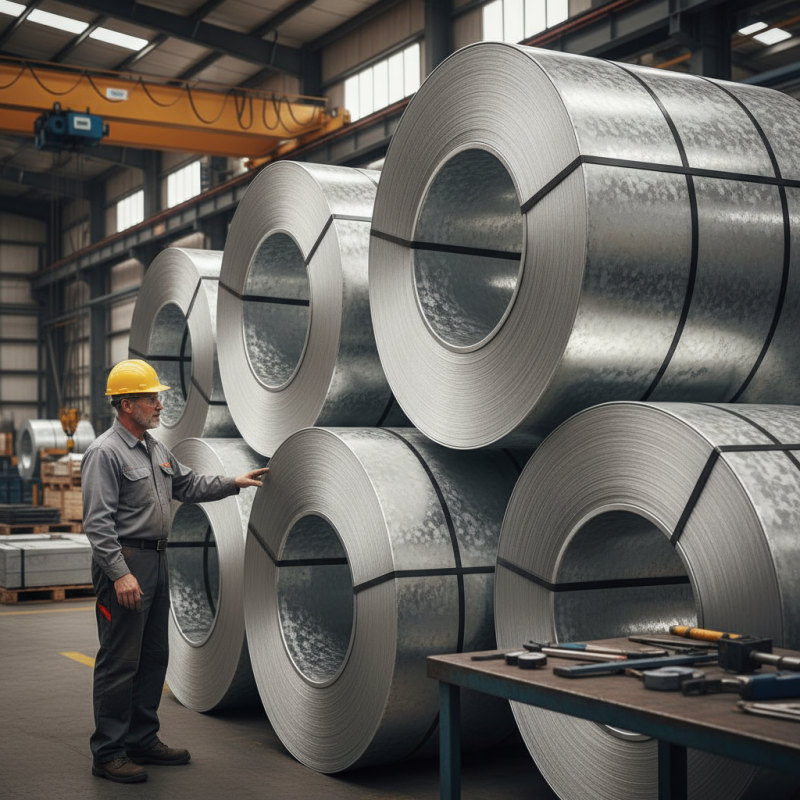
Understanding Galvanized Coil: What It Is and Its Applications
Galvanized coil is steel coated with zinc. This coating helps prevent rust and corrosion. It's widely used in construction, automotive, and appliance industries. Its strength and durability make it a popular choice for various applications.
In construction, galvanized coil is often used for roofing and siding. The material can withstand harsh weather conditions. However, not all galvanized coils are created equal. Some might have thicker coatings, while others might be thinner. Choosing the right thickness is crucial to ensure longevity.
In appliances, galvanized coil is utilized in making refrigerators and washing machines. This provides a corrosion-resistant surface that enhances product life. Nevertheless, buyers should consider factors such as shape and finish. The wrong finish can lead to scratches or peeling. Recognizing these details can significantly impact the success of your projects.
Essential Tips for Choosing Galvanized Coil for Your Projects
This bar chart shows the applications of galvanized coil in various industries including construction, automotive, and household appliances. Each bar represents the estimated percentage of galvanized coil usage in the respective sector.
Key Factors to Consider When Selecting Galvanized Coil
When selecting galvanized coil for your projects, several key factors demand attention. The steel thickness is crucial. Thickness affects strength and durability. Typically, galvanized steel comes in gauges ranging from 24 to 10. A 24-gauge coil is lighter but may not withstand harsh conditions. Consider your project's environment. Heavy rainfall or high humidity levels may require thicker coils for better resistance.
Corrosion resistance is another big concern. According to industry reports, zinc coating weight plays a vital role. Galvanized coils with a coating weight of 275 grams per square meter offer better lifespan than those with lighter coatings. Pay attention to the coating process, as hot-dip galvanizing typically provides more robust protection compared to electro-galvanizing. This helps in situations where the steel might face exposure to chemicals or abrasive materials.
Lastly, the availability of the coil in various sizes can impact your decision. Not all suppliers maintain the same inventory. Smaller projects can suffer delays due to size unavailability. It’s essential to inquire about lead times. Flexibility in dimensions might come at a cost. This can add complexity to budgeting your project. Taking these details into account is crucial for making an informed choice.
Comparing Types of Galvanized Coils: Hot-Dip vs. Electro-Galvanized
When selecting galvanized coil, understanding the differences between hot-dip and electro-galvanized options is crucial. Hot-dip galvanization involves immersing steel in molten zinc. This process creates a thick and durable coating. It offers excellent protection against corrosion, making it suitable for outdoor projects. Many industries prefer this type for heavy-duty applications.
On the other hand, electro-galvanized coils are coated with zinc using an electroplating process. This results in a thinner layer of zinc. It is often smoother than hot-dip coatings. While it offers decent corrosion resistance, it’s not as robust for harsh environments. Projects that require detailing or aesthetic finishes may benefit from this option.
It's important to consider your specific needs. Think about the environment where the coil will be used. Do you need maximum corrosion resistance? Or is a smoother finish enough? Each option has its strengths and weaknesses. Take time to explore what suits your project best. Weighing these factors will lead to a more informed decision.
Evaluating Thickness and Weight Specifications for Your Project Needs
When selecting galvanized coil for your projects, evaluating thickness and weight specifications is crucial. The gauge of the coil typically ranges from 16 to 26. Thicker gauges, such as 16 and 18, often provide increased strength, while lighter gauges, like 24 and 26, are more suitable for applications requiring flexibility. According to industry reports, an increase in thickness can improve corrosion resistance, extending the lifespan of finished products. However, this comes with added weight; heavier coils can increase shipping costs.
Weight specifications also play a vital role in project planning. The weight of galvanized coil is influenced by both the thickness and width. For instance, a standard 48-inch wide coil that is 22-gauge could weigh around 60 pounds per hundred square feet. Careful calculation is necessary. Misjudging the weight can lead to unexpected challenges during installation. If the supporting structure is not equipped to handle the load, it could result in accidents or project delays.
Ultimately, balancing thickness and weight is a nuanced decision. While thicker coils may provide durability, the increased weight must be justified by the scope of the project. Each application is unique, and sometimes the ideal choice is not clear-cut. Analyzing specific project requirements can help in making an informed decision, but it requires diligence and a willingness to adapt if necessary.
Cost Considerations and Sourcing Options for Galvanized Coil
When considering galvanized coil for your projects, cost is a crucial factor. Prices can vary widely, influenced by thickness, coating weight, and market demand. According to recent industry reports, the average price of galvanized steel has seen fluctuations of around 15% in the past year alone. This variability can impact budgeting and project timelines.
Sourcing also plays a vital role. Many suppliers offer galvanized coil in different grades and finishes, impacting both cost and performance. Locally sourced materials may reduce transportation costs but limit options. Conversely, importing galvanized coil can lead to higher expenses due to tariffs and shipping fees. A study indicated that transportation costs can add an extra 10-20% to total expenses.
It’s important to weigh these considerations carefully. Some projects may warrant investing in higher-grade materials for better longevity, while others might prioritize immediate cost savings. Finding a balance is essential. Decisions made here have long-term effects on your project's durability and overall success. Evaluate not just the upfront costs but the potential long-term implications.



 Distributors
  SDS Download
  Contact