What is a Structural Steel Manufacturer and Why It Matters?
Structural steel plays a crucial role in the construction industry. As a foundation for various structures, its strength and durability are unmatched. The **Structural Steel Manufacturer** is essential in producing these materials. According to the World Steel Association, global crude steel production reached 1.87 billion metric tons in 2020, highlighting the immense scale and importance of the industry.
With the construction sector projected to grow, the demand for structural steel is set to rise. A report by Research and Markets predicts the global structural steel market will grow at a CAGR of 5.6% from 2021 to 2026. This growth presents opportunities for manufacturers. Yet, it also urges them to innovate and adopt sustainable practices.
The role of a structural steel manufacturer goes beyond production. They must ensure safety, quality, and efficiency. Challenges such as fluctuating raw material costs and evolving regulations require adaptability. Understanding these factors can distinguish effective manufacturers from their peers. As the industry evolves, remaining aware of these trends is crucial for success.
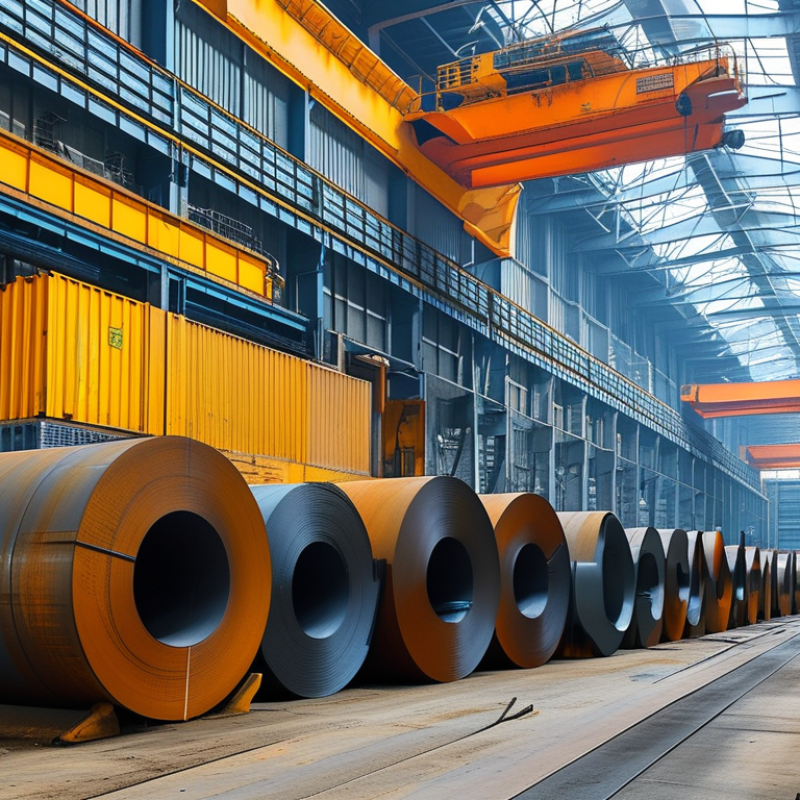
Understanding the Role of Structural Steel Manufacturers in Construction
Structural steel manufacturers play a critical role in the construction industry. Their expertise ensures that buildings and infrastructure can withstand the test of time. According to a recent industry report, structural steel usage in the U.S. construction market is projected to reach $21.5 billion by 2025. This growth highlights not only the demand for these materials but also their indispensable nature in creating resilient structures.
Structural steel is known for its durability and strength. Manufacturers ensure that steel products meet rigorous standards for quality and safety. In fact, structural failure or defects can lead to significant financial losses and put lives at risk. Investing in quality manufacturing processes is essential. Even minor flaws in steel production can result in major implications.
Tips: When selecting a structural steel manufacturer, consider their certifications. Look for those with ISO certification for quality assurance. Compare previous projects they have completed. This can provide insight into their reliability.
Balancing cost with quality is a challenge. Cheaper steel might seem attractive but can lead to greater costs down the line, especially if defects arise. Therefore, it’s crucial to prioritize both experience and quality when making decisions. Frequent communication with your chosen manufacturer can clarify expectations and reduce misunderstandings.
Key Processes Involved in Structural Steel Manufacturing
Structural steel manufacturing involves several crucial processes that transform raw materials into robust building components. The journey begins with steel production, where iron ore is mixed with carbon and heated to create molten steel. This steel is then cast into various shapes, including slabs, beams, and plates. Each form serves specific structural purposes. During this stage, quality control is paramount. Minor impurities can lead to significant structural vulnerabilities.
Once the raw steel is shaped, it undergoes further processes like rolling and welding. Rolling involves passing heated steel through rollers to create desired thickness and strength. Welding is essential for assembling structures, and it requires skilled craftsmanship. Poor welding techniques can cause weak joints, compromising safety.
After fabrication, steel components are treated to enhance durability. This may include galvanization or coating to prevent rust and corrosion. Despite technological advances, the process is not flawless. Variations in material quality and environmental conditions can lead to unexpected challenges. Continuous improvement and adherence to safety standards are vital for reliable structural steel manufacturing.
Different Types of Structural Steel Products and Their Applications
Structural steel products come in various forms, each serving a unique purpose in construction and manufacturing. Common types include beams, columns, and trusses. These components provide stability and strength to structures. They are often used in high-rise buildings, bridges, and industrial warehouses.
Beams are long, horizontal supports that bear loads from above. Columns, on the other hand, are vertical elements that support beams or trusses. Trusses, made of interconnected triangular units, distribute weight efficiently across great spans. Understanding these types helps in selecting the right material for your project.
Tips for choosing structural steel: Consider the environment. Corrosion-resistant steel can significantly extend the life of your structure. Be mindful of the load requirements. Different applications may require varying levels of strength. Lastly, consult professionals to ensure the structural integrity meets all safety standards. Choosing the right type of steel is critical but can be complex. Engaging with experts can save time and reduce inefficiencies during construction.
Importance of Quality Control in Structural Steel Manufacturing
In the world of structural steel manufacturing, quality control is paramount. According to a report by the Steel Construction Institute, nearly 30% of structural failures are linked to poor material quality. Quality control measures ensure that every steel product can withstand the demands of its environment. This is especially critical in construction, where structural integrity is vital.
Monitoring processes such as weld inspections and material testing can prevent significant hazards. The American Institute of Steel Construction highlights that effective quality control can reduce overall project costs by up to 20%. This efficiency not only saves money but also enhances safety. Yet, many manufacturers still struggle with implementing comprehensive quality management systems. Some overlook critical testing stages, leading to potential weaknesses in their products.
Moreover, recent studies reveal that 15% of steel manufacturers do not adhere to industry standards adequately. This negligence can lead to structural failures, inefficiencies, and increased downtime. The need for consistent quality control practices is clear. Industry leaders must prioritize education and training for staff, ensuring that quality remains at the forefront of structural steel manufacturing.
Quality Control Metrics in Structural Steel Manufacturing
The Economic and Environmental Impact of Structural Steel Industry
The structural steel industry plays a crucial role in the modern economy. It supports construction projects, from skyscrapers to bridges. This sector creates thousands of jobs worldwide. Workers in this field possess specialized skills, enhancing its overall economic value. As urbanization accelerates, demand for steel continues to rise. This growth impacts not just jobs but also local economies.
However, the production of structural steel is not without its challenges. The environmental implications are significant. While steel is recyclable, its initial production releases substantial carbon emissions. This concern calls for more research into sustainable practices. The industry must explore eco-friendly methods to minimize its footprint. It's essential to balance economic benefits with ecological responsibility. Stakeholders in the steel sector must prioritize both growth and sustainability. The future of construction relies on such innovation and reflection on current practices.



 Distributors
  SDS Download
  Contact