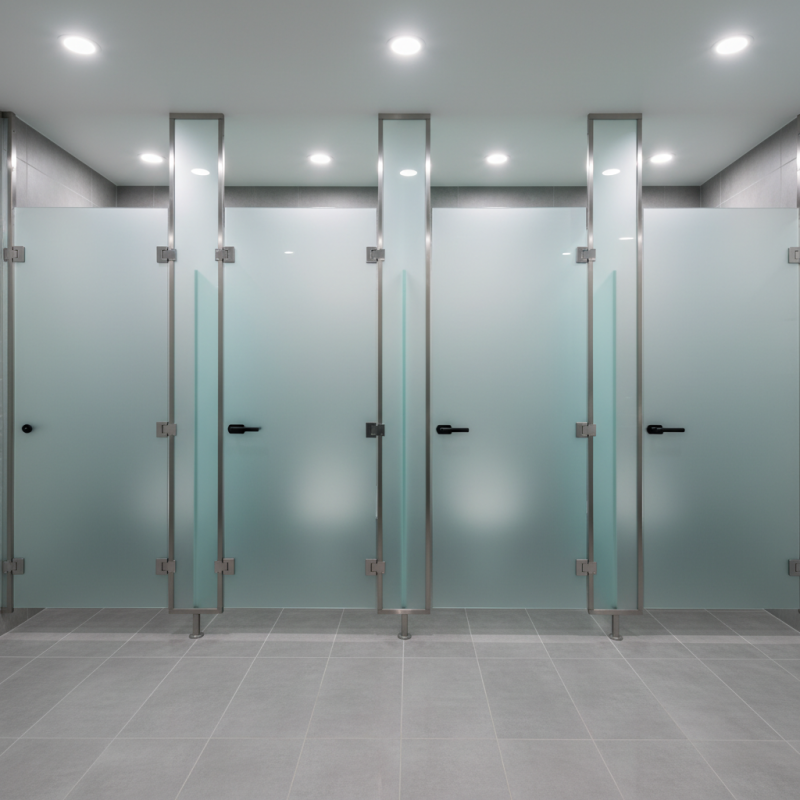
Restroom Stall Walls Tips for Cleanliness and Privacy
Restroom Stall Walls play a crucial role in maintaining cleanliness and privacy. They serve as barriers that protect users from unwanted visibility and maintain a hygienic environment. However, these walls often face neglect, leading to unsightly conditions.
The materials used for Restroom Stall Walls can trap dirt and bacteria. Regular cleaning is essential, yet many facilities overlook this crucial task. Users may encounter stains or unpleasant odors, creating discomfort. Small actions can improve this situation, including proper maintenance and mindful usage.
Providing enough space between stalls can enhance privacy. A small gap might lead to unwanted glances, making users feel exposed. Reflecting on these factors reveals the importance of not just using restrooms, but also respecting shared spaces. Enhancing cleanliness and privacy is a collective responsibility.
Understanding the Importance of Cleanliness in Restroom Stalls
Restroom stalls play a critical role in public hygiene. Many people overlook the importance of cleanliness in these spaces. Public restrooms often face heavy foot traffic, leading to increased potential for germs and bacteria. The condition of the stall directly influences the overall hygiene of the facility. When stalls are dirty, people might bypass them, leading to overcrowding in cleaner areas.
Ensuring cleanliness can feel overwhelming, especially in high-use venues. Regular checks and maintenance are essential. Often, time constraints lead to superficial cleaning rather than a thorough one. This negligence can result in unpleasant odors and unsightly messes. It's disheartening to see facilities neglecting their duties, making users uncomfortable. Simple actions, like providing adequate supplies and signage, can empower users to maintain cleanliness.
Privacy is another concern that ties directly to cleanliness. Stalls with gaps or inadequate barriers can deter people from using them. If users don't feel secure, they might avoid the restroom altogether. Ensuring that doors close tightly, and partitions are well-maintained, contributes to user comfort. Attention to these details may enhance the restroom experience for all.
Factors Affecting Privacy in Restroom Stall Design
When designing restroom stalls, privacy is a crucial consideration. The height of the stall walls plays an important role. Taller walls provide more coverage, but can also make the space feel enclosed. A balance is needed between privacy and openness. Many stalls have gaps at the bottom and between walls, which can compromise that sense of security.
Another factor is the material used for walls. Smooth surfaces are often easier to clean but may appear less private. Textured materials can enhance privacy, yet they also gather dirt more easily. Consideration of lighting is also essential. Dim lighting can create shadows, enhancing privacy but making it hard to see. Clear definitions of space are key.
Thoughtless designs can lead to discomfort. A cramped space doesn’t feel safe. The sound of a toilet flushing can disrupt a moment of peace. People often feel uneasy in overly enclosed stalls. Some features, like hooks or shelves, can be useful but may encourage clutter. Each design choice impacts the overall experience and usability in profound ways.
Restroom Stall Walls Privacy and Cleanliness Ratings
Effective Cleaning Practices for Restroom Stall Walls
Restroom stall walls often collect grime and germs. Regular cleaning practices can improve both cleanliness and appearance. Use disinfectant wipes or sprays on the surfaces regularly. Pay special attention to high-touch areas, like the door handle and lock. A quick daily wipe can make a significant difference.
However, not all cleaning efforts meet the mark. Some might miss spots, leaving stains behind. Streaks on the walls tell a story of neglect. A deep clean is essential at least once a week. Scrub away stubborn stains and grime that accumulates over time. Don’t rush; take time to do it right.
Privacy in restroom stalls is just as crucial. Ensure walls are fortified and free from gaps. Caulking can help seal any openings. Consider height and space between stalls. A sense of security leads to a better experience. Space constraints may provoke anxiety, especially in public restrooms. Aim for a balance between compact design and user comfort.
Choosing the Right Materials for Stall Construction
When choosing materials for restroom stall construction, several factors come into play. Durability is a top priority. Materials need to withstand wear and tear from constant use. Solid plastic and stainless steel are popular choices. They resist moisture and are easy to clean. However, these materials can sometimes come with a higher cost.
On the other hand, some facilities opt for lower-cost options. Particleboard is one such example. While affordable, it may not last long in high-traffic areas. It can deteriorate quickly if exposed to water. This choice reflects a misunderstanding of the importance of durability. Privacy is another essential aspect. Materials need to be thick enough to prevent sound and sight from passing through. Laminate surfaces can provide a decent level of privacy but may not be as effective as solid options.
The choice also extends to aesthetics. While practicality is crucial, a welcoming environment makes a difference. Some materials can be customized to fit the design. However, careful consideration is needed. Balancing cost, cleanliness, and appearance is often a challenge. Neglecting any aspect can lead to future problems. Thoughtful selection can significantly enhance user experience in restrooms.
Restroom Stall Walls Tips for Cleanliness and Privacy - Choosing the Right Materials for Stall Construction
| Material Type | Cleanliness | Privacy Level | Durability | Cost Range ($) |
| High Pressure Laminate (HPL) | High | Moderate | High | 150 - 300 |
| Steel | Medium | High | Very High | 200 - 400 |
| Plastic Polymer | High | Moderate | Medium | 100 - 250 |
| Plywood | Medium | Medium | Medium | 75 - 150 |
| Concrete | Low | Very High | Very High | 300 - 600 |
Enhancing Privacy Features in Modern Restroom Design
In modern restroom design, privacy is paramount. Many individuals seek comfort in knowing they have a secure space. Enhanced privacy features can significantly improve user experience. For instance, taller stall walls can offer more coverage. Ideally, the partitions should stretch from floor to ceiling.
Materials play a vital role in privacy effectiveness. Solid and non-transparent materials can make a big difference. Inconsistent gaps at the bottom or sides can lead to discomfort. Users may feel exposed if these spaces are too large. Therefore, manufacturers should closely consider these gaps.
Adding features like sound-absorbing panels can also enhance privacy. They can help muffle noises, making the environment less distracting. However, design choices must balance aesthetics and functionality. Sometimes, the focus on style overlooks user needs. A beautiful restroom should not sacrifice comfort and safety. Thoughtful design should foster a sense of security while still being visually appealing.



 Distributors
  SDS Download
  Contact