What is Plastic Injection Mold and How Does it Work?
Plastic Injection Mold is an essential component in modern manufacturing. It plays a critical role in shaping various products that we use daily. Recent industry reports indicate that the global plastic injection molding market was valued at over $300 billion in 2020. This figure is expected to grow significantly in the coming years.
The process of plastic injection molding involves heating plastic, injecting it into a mold, and allowing it to cool. This method allows for precise and efficient production. Companies can create intricate designs and high-volume outputs quickly. Yet, efficiency does not always equate to perfection. The process can produce defects, such as short shots or warping.
Many manufacturers are focused on improving quality and minimizing waste. However, achieving this balance is not always easy. The plastic injection mold industry faces challenges like rising material costs and environmental concerns. As we explore the mechanics of this process, understanding its complexities is crucial for future improvements.
What is Plastic Injection Molding?
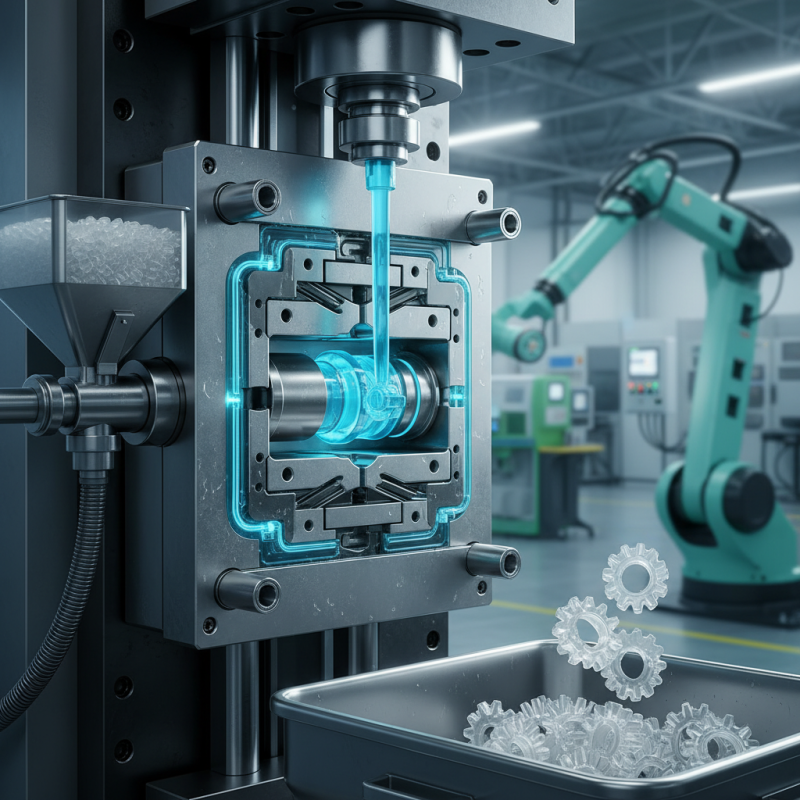
Plastic injection molding is a widely used manufacturing process. It involves injecting molten plastic into a mold to create various shapes and products. In 2021, the global plastic injection molding market was valued at approximately $259 billion, and it is expected to grow steadily in the coming years.
One key advantage of this method is efficiency. Production cycles can be very short, sometimes lasting less than a minute. This speed allows manufacturers to produce large quantities quickly. However, the initial costs for mold design and fabrication can be high. Companies must weigh long-term benefits against upfront expenses.
Despite its advantages, plastic injection molding presents challenges. Material waste can be significant. If molds are not designed perfectly, it can lead to defects. Such imperfections affect quality and increase costs. Continuous improvement in design and technology is essential for minimizing these issues and enhancing overall efficiency.
Key Components of Plastic Injection Molds
Plastic injection molding is a crucial process in manufacturing. This technique involves several key components that ensure efficiency and accuracy. The mold itself is typically made of steel or aluminum, designed to withstand high pressure and temperature. A well-constructed mold can last for many thousands of cycles, but wear and tear occur over time. In fact, studies show that over 30% of molds experience significant degradation after just a few years of use.
The injection unit, another essential component, melts the plastic pellets before injecting them into the mold. Proper temperature control is vital. If the temperature is too low, the plastic may not flow correctly. If too high, degradation can occur. Industry data indicates that optimizing temperature settings can enhance part quality by up to 20%.
**Tip:** Regular maintenance of molds can prevent costly downtime. Lubrication and cleaning are essential.
The cooling system of the mold helps solidify the part after injection. Water lines run through the mold, allowing for efficient cooling. If these lines get clogged, it can lead to uneven cooling and defects in the final product. As reports suggest, nearly 15% of production issues can stem from cooling inefficiencies.
**Tip:** Conduct regular inspections of your cooling system. This can save time and materials in the long run.
Plastic Injection Mold Usage in Different Industries
The Plastic Injection Molding Process Explained
Plastic injection molding is a highly efficient manufacturing process. It transforms plastic pellets into finished products through a series of steps. Initially, plastic granules are heated until they melt. This molten plastic is then injected into a mold under high pressure. The mold is often cooled, allowing the plastic to solidify into the desired shape.
One crucial aspect of this process is mold design. An imperfect mold can lead to defects in the final product. Factors such as cooling time and injection speed affect the outcome. It’s important to balance these parameters for optimal results. Mistakes in calculation can result in wasted materials.
Tips: Always inspect the mold before starting production. A small flaw can create significant issues. Additionally, monitor temperature controls closely. This helps maintain consistent quality. Don’t hesitate to iterate on designs, as even minor adjustments can lead to major improvements in efficiency and quality.
Applications and Benefits of Plastic Injection Molding
Plastic injection molding is a widely used manufacturing process that transforms raw materials into finished products. This method finds applications across various industries, including automotive, consumer goods, packaging, and medical devices. According to industry reports, the global plastic injection molding market is projected to reach $335.5 billion by 2027, highlighting its significance in modern production.
One of the primary benefits of plastic injection molding is efficiency. It allows for high-volume production with minimal waste. Manufacturers can produce thousands of parts in a short time. Additionally, this method provides a high degree of accuracy and repeatability. Parts can be produced with tight tolerances, which is essential for industries that demand precision, such as aerospace and healthcare. However, companies often face challenges with the initial setup costs and the need for skilled labor.
Tip: Consider assessing the specific needs of your project before choosing injection molding. Understanding long-term requirements can aid in decision-making.
Plastic injection molding also allows for design versatility. Companies can create complex shapes and intricate designs that may be difficult or costly with other manufacturing methods. Nonetheless, designers must think carefully about material selection and mold design. Poor choices can lead to defects or production delays. It's crucial to engage in thorough planning and prototyping to avoid these pitfalls.
Tip: Collaborate closely with engineers during the design phase. This ensures that the final design is both functional and manufacturable.
Common Materials Used in Plastic Injection Molding
When discussing common materials used in plastic injection molding, several key types come to mind. The most widely used is thermoplastics. These materials can be melted and solidified multiple times. They are versatile and ideal for producing a variety of products. Common thermoplastics include polyethylene, polystyrene, and polypropylene. Each has unique properties that cater to different applications.
Another essential category is thermosetting plastics. Unlike thermoplastics, thermosetting materials cannot be remolded after being set. They are durable and resistant to heat, making them suitable for electrical components. Common types include epoxy and polyester. While they provide strong structural integrity, they may pose challenges in recycling.
Tips: Always consider the end use of the product when selecting materials. Test different options to find the best match. Engage with suppliers to understand material characteristics deeply. Sometimes, even minor changes in material can lead to significant improvements. It’s crucial to reflect on the impact of these choices on production and sustainability.
What is Plastic Injection Mold and How Does it Work? - Common Materials Used in Plastic Injection Molding
| Material Type | Description | Advantages | Applications |
| ABS (Acrylonitrile Butadiene Styrene) | A strong and durable thermoplastic. | High impact resistance, light weight, and easy to mold. | Automotive parts, consumer electronics, toys. |
| PP (Polypropylene) | A versatile and widely used thermoplastic polymer. | Chemical resistance, fatigue resistance, and low density. | Packaging, automotive components, textiles. |
| PS (Polystyrene) | A popular thermoplastic known for its versatility. | Good clarity, stiffness, and excellent electrical insulation properties. | Disposable cutlery, packaging, and insulation. |
| PVC (Polyvinyl Chloride) | A highly durable and water-resistant thermoplastic. | Corrosion resistance and low maintenance. | Pipes, fittings, and medical devices. |
| PA (Polyamide / Nylon) | A strong and tough synthetic polymer. | Excellent temperature resistance and mechanical strength. | Automotive parts, fibers, and industrial components. |



 Distributors
  SDS Download
  Contact