What is an Orthopedic Implant and How Does It Work?
orthopedic implants play a crucial role in modern medicine. Dr. John Smith, an expert in orthopedic surgery, once stated, "These devices can transform lives." An orthopedic implant is a medical device inserted into the body to restore function, support, or stabilize damaged bones and joints. They come in various forms, including screws, plates, and artificial joints.
These implants can significantly enhance mobility and relieve pain. However, patients should carefully consider the decision to undergo such procedures. Each implant surgery carries potential risks. Infections, implant failure, and complications can arise. The journey of recovery is often challenging and requires patience.
In many cases, the technology behind orthopedic implants is impressive. Yet, it's essential to remember that outcomes can vary. Not every patient experiences success. It's crucial to maintain realistic expectations. Understanding the role of orthopedic implants can help patients make informed choices about their treatment options.
Definition and Types of Orthopedic Implants
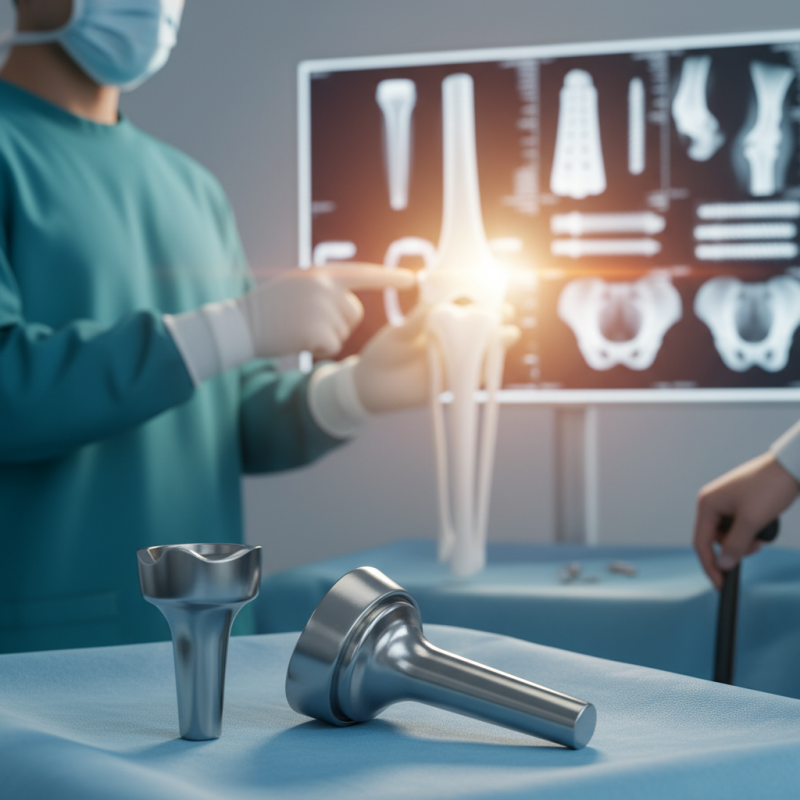
Orthopedic implants are medical devices used to support or replace damaged bones and joints. They play a crucial role in various surgical procedures. Common types include screws, plates, and joint replacements. Each type serves a specific purpose. For instance, screws are often used to stabilize fractures. Plates can help hold bone fragments together.
Joint replacements, like hip or knee implants, are more complex. They replace damaged joints, restoring movement. The materials used for these implants usually include metal, plastic, and ceramics. These materials are chosen for their strength and compatibility with the human body. However, the body may react differently to these materials.
Despite their effectiveness, orthopedic implants have limitations. A patient might experience complications, such as infection or implant failure. Recovery varies and not everyone responds similarly. This reality can be frustrating for patients seeking a return to normal life. Understanding these factors is essential for anyone considering orthopedic surgery.
The Functionality of Orthopedic Implants Within the Body
Orthopedic implants play a crucial role in enhancing mobility and reducing pain for individuals with musculoskeletal issues. These devices are designed to support or replace damaged bones and joints. Common types include screws, plates, and prosthetic joints. Once implanted, they work by distributing loads across the bone, facilitating natural movement.
However, the effectiveness of these implants can vary. Some patients might experience complications, such as infection or rejection. It’s essential to monitor how an implant interacts with surrounding tissues. Regular check-ups are important to ensure everything is functioning as it should.
Tip: Always discuss the potential risks with your doctor before surgery. Understand the reasons for choosing a specific type of implant.
Also, lifestyle factors can affect the longevity of an implant. Weight, activity level, and nutrition play vital roles. Adjusting these can improve post-surgery outcomes.
Tip: Stay active within safe limits and focus on a balanced diet to aid recovery. Regular exercise can enhance joint function too.
Materials Used in Orthopedic Implants and Their Benefits
Orthopedic implants are essential in treating various musculoskeletal issues. They are made from materials that provide strength, durability, and compatibility with the human body. Common materials include titanium, stainless steel, and polymers. Each of these has unique attributes that make them suitable for different applications.
Titanium is lightweight yet strong. It has excellent biocompatibility, which means the body accepts it well. This reduces the risk of rejection or complications. Stainless steel is also frequently used. It offers good resistance to corrosion and high strength, but it can be heavier than titanium.
Polymers, often utilized in joint replacements, provide flexibility and can mimic the movement of natural tissues.
However, there are downsides. Metal implants can sometimes cause allergic reactions. Some polymers may wear down over time, leading to potential complications. These materials need innovation to address their limitations. Researchers continue to explore new materials that combine strength with enhanced biocompatibility. Balancing performance and safety is a continuous challenge, making this field dynamic and ever-evolving.
The Surgical Procedure for Implant Insertion
The surgical procedure for implant insertion involves several critical steps. First, the patient is prepared. This typically includes administering anesthesia to ensure comfort during surgery. The surgical team sterilizes the area, reducing the risk of infection. Incisions are made carefully. The surgeon works to expose the damaged bone or joint.
Next, the orthopedic implant is placed. The surgeon secures it into the prepared site. This requires precision to ensure proper alignment and functionality. Sometimes, additional tools or hardware are used for support. The insertion process can be complex, often requiring the surgeon to adjust the implant for the best fit.
Post-surgery, patients face a recovery period. They may experience pain and swelling. Monitoring for complications is essential. Some may find physical therapy challenging. Reflecting on this, it’s important to note that recovery varies among individuals. Each case presents unique challenges. A successful outcome often demands patience and a commitment to rehabilitation.
Post-Operative Care and Recovery with Orthopedic Implants
Post-operative care is crucial for patients with orthopedic implants. According to a recent study published in the Journal of Orthopedics, nearly 30% of complications arise from improper post-operative management. Many patients underestimate the importance of following their surgeon's guidelines. This can lead to infections or implant failure, which may require additional surgeries.
Recovery timelines can vary widely. For instance, initial healing of skin incisions typically takes about 2-4 weeks, while deeper healing might extend to several months. Physical therapy is often suggested within days after surgery. Engaging in physical therapy too soon or neglecting it can hinder recovery. It's essential to find the right balance in rehabilitation efforts.
Monitoring for signs of complications is equally vital. Patients should be aware of unusual swelling, persistent pain, or fever. Engaging family members in care can enhance recovery. Studies indicate support networks increase patient adherence to recovery protocols. Post-operative care involves continuous reflection on personal progress and the need for open communication with healthcare providers.



 Distributors
  SDS Download
  Contact