Top Tips for Optimizing Your Rice Noodle Production Line?
In the world of food production, optimizing your Rice Noodle Production Line is essential for success. Dr. Wei Chen, a respected figure in the food engineering industry, once stated, “Efficiency in production not only cuts costs but also enhances quality.” This emphasizes the importance of refining every step of the production process.
Implementing best practices can lead to tangible benefits. For instance, adjusting the temperature and humidity levels during production can significantly improve the texture of rice noodles. Continuous monitoring of machinery can prevent unexpected breakdowns, ensuring a smooth workflow. However, many manufacturers overlook these details, focusing instead on larger equipment upgrades.
Reflecting on the production line, it’s vital to consider not just efficiency but also sustainability. Reducing waste in raw materials is often neglected. Striving for optimization involves acknowledging these shortcomings while committing to sustainable practices. The journey of enhancing your Rice Noodle Production Line may be complex, but the rewards are substantial.
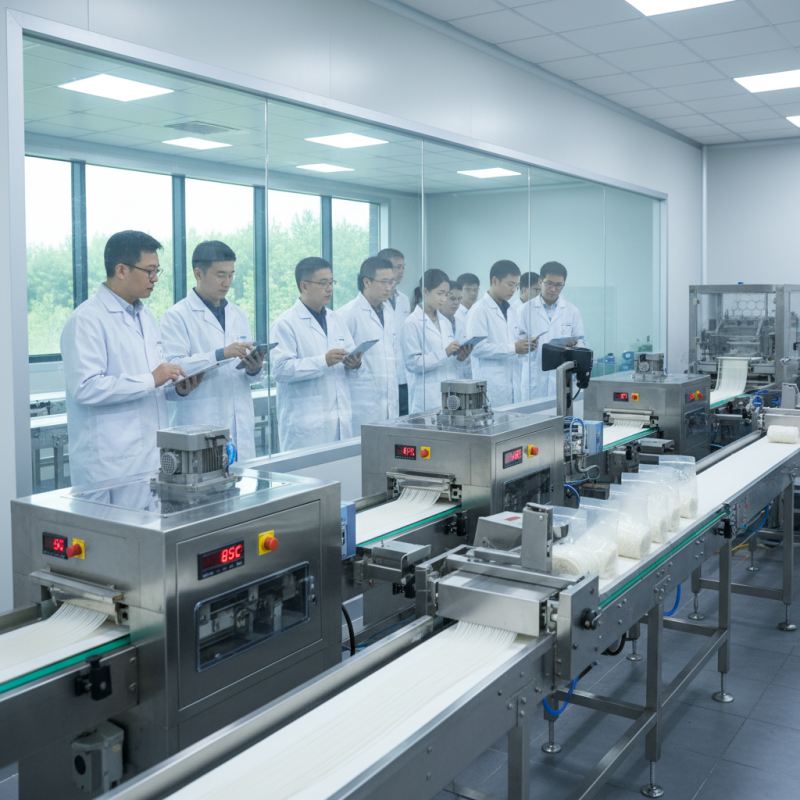
Understanding the Basics of Rice Noodle Production Lines
Understanding the basics of rice noodle production lines is crucial for efficiency. A well-designed production line streamlines the entire process. From rice cleaning to noodle drying, each step matters. It's essential to maintain high standards to ensure the quality of the final product.
One key tip is to monitor the moisture content in raw rice. Too much moisture can lead to poor noodle texture. On the other hand, overly dry rice can affect production speed. Regular testing can prevent these issues. Use reliable equipment for consistent results.
Another critical factor is machine maintenance. Regular checks help avoid breakdowns. Remember, a single malfunction can halt production and lead to significant losses. Additionally, training staff on proper equipment usage is vital. Misunderstandings can result in inefficiencies that are hard to correct. Adjustments may be necessary as production demands change.
Key Machinery and Equipment for Efficient Rice Noodle Manufacturing
To optimize rice noodle production, key machinery and equipment play a crucial role. The production line typically includes a rice washing machine. This machine ensures that impurities are removed. A properly functioning washing machine increases the quality of the final product.
Another essential machine is the rice noodle extruder. It shapes the noodles uniformly. Consistency in shape is important for cooking and customer satisfaction. However, some extruders require frequent adjustments. This can slow down production if not managed effectively.
Steam cookers are vital for gelatinizing the rice flour. An efficient steam cooker promotes even cooking, influencing texture. A poorly calibrated cooker can lead to inconsistencies. Regular maintenance of all machinery is crucial. It can prevent unexpected breakdowns and ensure smooth operation. Attention to detail in these areas reflects on the overall product quality.
Top Tips for Optimizing Your Rice Noodle Production Line
| Equipment | Function | Recommended Capacity | Key Features |
| Mixing Machine | Mixing rice flour with water | 500 kg/hour | High efficiency, adjustable speed |
| Extruder | Shaping noodle dough | 400 kg/hour | Continuous operation, energy efficient |
| Steamer | Cooking noodles | 300 kg/hour | Uniform heating, adjustable temperature |
| Cooling Conveyor | Cooling cooked noodles | N/A | Efficient air circulation |
| Packaging Machine | Packaging finished noodles | 200 packs/hour | Automation, precise sealing |
Quality Control Techniques for Rice Noodle Production
Quality control is crucial in rice noodle production. The texture and taste of noodles hinge on strict monitoring. Start by assessing raw materials. Excellent quality rice flour is essential. Ensure moisture content is within proper limits. Even a slight variation can impact the final product.
In the production line, implement regular checks. Inspect the dough's consistency frequently. It should be neither too dry nor too sticky. During steaming, keep an eye on the time and temperature. Overcooking can lead to mushy noodles, while undercooking leaves them chewy. Operators should be trained well but reflect on their performance regularly to learn and improve.
After production, conduct sensory evaluations. Tasting is an effective quality control method. Gather feedback from a diverse group. This can unveil hidden issues, such as off-flavors or undesirable textures. Documentation of these results can help in refining the process. Not everything will be perfect, and that’s okay; it’s part of continuous improvement in the production line.
Streamlining Processes: Tips for Reducing Waste in Production
Streamlining processes in the rice noodle production line is crucial for efficiency. One common area of waste is ingredient preparation. Ensure ingredients are pre-portioned to reduce overuse. This method helps maintain consistency while minimizing waste. Training staff on proper measurement techniques can further enhance accuracy.
Another vital aspect is the cooking process. Cooking rice noodles for too long leads to quality loss. Implement time-tracking measures to ensure noodles are cooked just right. Regularly review cooking times to adjust for fluctuations in production. Additionally, machinery should be regularly maintained to prevent breakdowns, which can lead to more waste.
Packaging is another stage where waste can accumulate. Use materials that protect the product while being recyclable. This approach shows responsibility towards the environment. Sometimes, packaging equipment may malfunction, causing product loss. Frequent checks on machinery can aid in identifying issues early. Empirical feedback from staff can reveal insights into areas needing improvement. Continuously refining these processes is key to reducing waste in production.
Optimizing Rice Noodle Production Line: Waste Reduction Analysis
Best Practices for Training Staff in Rice Noodle Production Techniques
In rice noodle production, training staff is crucial for efficiency and quality. A hands-on approach often yields the best results. Staff should learn every step, from dough preparation to cooking techniques. Each phase requires attention to detail. Skilled workers can spot inconsistencies that newcomers might overlook.
Start by creating a structured training program. This could include short workshops focusing on specific tasks. Visual aids, such as flowcharts and video tutorials, can enhance understanding. Encourage questions during training sessions. This fosters an environment where learning is prioritized. Having seasoned employees mentor newer staff can bridge the gap in experience.
However, it's essential to recognize that not every training session will be effective. Some staff may struggle with practical applications. Frequent assessments and feedback can help identify weaknesses. Adjust training methods based on individual needs. Creating a culture of continuous improvement can lead to a more proficient workforce in rice noodle production.



 Distributors
  SDS Download
  Contact