Why Invest in a High Speed Inspection Machine for Your Business?
In today's competitive market, investing in a High Speed Inspection Machine can be a game changer for businesses. Industry expert Dr. Emily Zhang, a leading figure in manufacturing technology, emphasizes, “Quality assurance is not just a process; it's a necessity.” This underscores the critical role of advanced inspection systems in maintaining product quality.
High speed inspection machines offer precision and efficiency. They drastically reduce the time needed for quality inspections. For companies that strive for excellence, these machines are essential. They not only save time but also improve accuracy. However, not all businesses recognize their potential early enough. A hesitant approach may lead to missed opportunities.
While the initial investment might seem daunting, the long-term benefits are undeniable. High speed inspection machines can lead to significant cost savings. They help prevent costly errors and rework. Businesses must reflect on their inspection processes. Are they leveraging technology effectively? The answer could hold the key to staying ahead in a fast-paced industry.
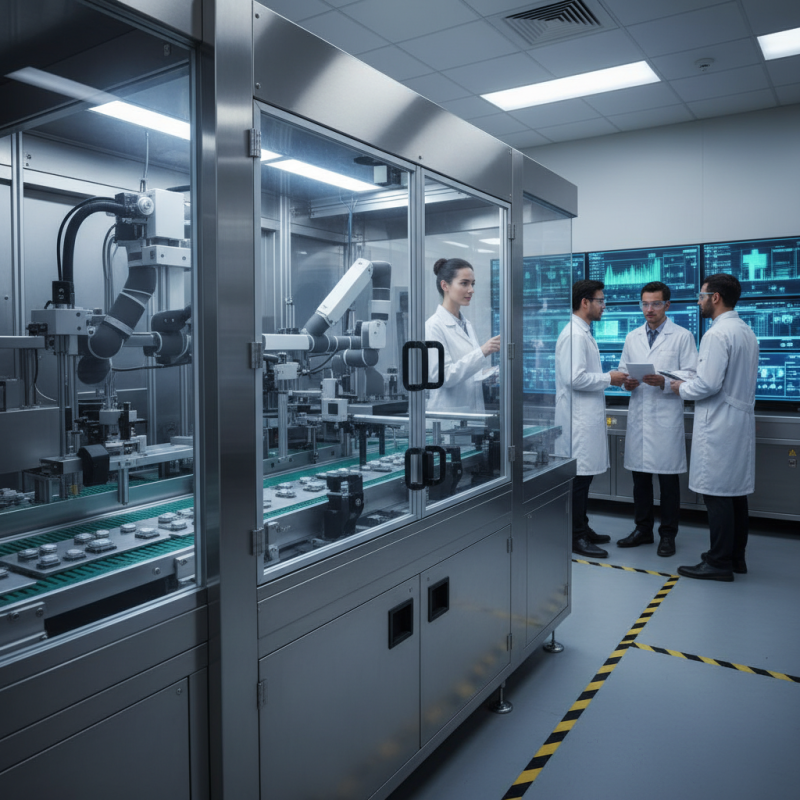
Understanding the Benefits of High Speed Inspection Machines
High-speed inspection machines are transforming industries. They enhance quality control and efficiency. These machines can significantly reduce inspection time, allowing companies to increase production rates. Faster inspections mean fewer bottlenecks in manufacturing. This translates to improved workflow and happier clients.
Investing in these machines means investing in precision. They provide detailed analysis, catching defects early in the production line. While they improve output, it's crucial to note that initial costs can be high. Companies must evaluate their needs carefully. Sometimes, speed can lead to oversight if not managed properly. A balanced approach is necessary. Understanding how to integrate the machine into existing systems is essential.
Training employees is another aspect to consider. Proper operation of high-speed machines is vital for effectiveness. If operators are not well-trained, the potential benefits diminish. Periodic assessments are necessary to ensure ongoing improvement. High-speed inspection machines can be an asset, but they require a thoughtful implementation process.
Benefits of Investing in High Speed Inspection Machines
This bar chart illustrates the key benefits of investing in a high-speed inspection machine for businesses. Each dimension showcases the percentage of improvement associated with increased throughput, improved accuracy, cost savings, reduced downtime, and enhanced quality control.
Key Features to Consider When Choosing an Inspection Machine
When considering a high-speed inspection machine, key features must be assessed. One significant aspect is the machine's speed and efficiency. According to a recent industry report, businesses that implemented high-speed inspection systems increased their throughput by up to 30%. This uptick highlights the importance of choosing an inspection machine with rapid scanning capabilities. A faster inspection process can drastically reduce downtime and improve overall productivity.
Another crucial feature is accuracy. The best machines provide precise defect detection to maintain quality standards. A study indicated that companies using advanced inspection technology reduce error rates by over 40%. However, not all machines are created equal. Some might excel in speed but lack precision. It’s vital to balance both features. Quality control shouldn't be compromised for speed.
Additional considerations include ease of integration into existing systems. A machine that disrupts the workflow can lead to frustration. The right inspection machine should fit seamlessly, allowing operators to adapt quickly. Training costs can skyrocket if a machine is too complex. Investing in user-friendly technology can save both time and money in the long run. Careful evaluation of these features ensures you make a wise investment for your business.
Impact of High Speed Inspection on Quality Control Processes
In today's fast-paced manufacturing environment, quality control is crucial. A high-speed inspection machine can transform your quality control processes. It inspects products quickly, reducing the time spent on manual checks. This efficiency can lead to fewer errors and better overall quality.
High-speed inspection machines enhance accuracy. They can identify defects that human inspectors might miss. For example, small dents or color variations can be easily detected. This not only ensures that products meet standards but also boosts customer satisfaction. However, investing in such technology requires reflection. Are you ready for the initial cost? It's an important consideration, as not every company will see immediate ROI.
Another aspect to consider is workforce training. Your team will need to adapt to new technology. They may have initial difficulties, leading to frustration. Yet, overcoming these hurdles can lead to greater efficiency in the long run. Embracing high-speed inspection can be a game-changer, but it comes with its own set of challenges.
Cost Efficiency and ROI of High Speed Inspection Machines
Investing in high-speed inspection machines can significantly enhance cost efficiency in manufacturing. Industry reports suggest that these machines can improve production throughput by up to 25%. This acceleration often leads to reduced labor costs, as fewer operators are needed for inspection tasks. In fact, a recent study found that companies reported a 15% decrease in operational expenses after adopting these systems.
Moreover, the return on investment (ROI) for high-speed inspection machines is compelling. Businesses typically see ROI within 18-24 months. This makes it a smart financial decision. These machines identify defects early, preventing costly rework. Companies that integrated inspection technologies noted a 30% reduction in defective products. This streamlined production process not only saves money but also enhances customer satisfaction.
However, the transition to high-speed inspection technology can pose challenges. Initial setup costs may be substantial. Some firms hesitate, fearing underutilization during the learning curve. Proper training is essential to maximize performance. Research shows that without adequate training, businesses could lose 10% productivity in the initial phase. This highlights the need for careful planning before making such a vital investment.
Why Invest in a High Speed Inspection Machine for Your Business? - Cost Efficiency and ROI of High Speed Inspection Machines
| Feature | Details | Estimated Cost Savings ($) | ROI (%) |
| Increased Throughput | Ability to inspect products at a rate of 300 units per minute | $50,000 per year | 150% |
| Labor Cost Reduction | Reduced need for manual inspection labor | $30,000 per year | 100% |
| Higher Accuracy | Reduction in false rejects and escapes | $20,000 per year | 80% |
| Reduced Waste | Lower material waste due to improved inspection | $15,000 per year | 75% |
| Enhanced Customer Satisfaction | Fewer defects leading to happier customers | $25,000 per year | 90% |
Future Trends in High Speed Inspection Technology for Businesses
As businesses strive for efficiency, high-speed inspection technology becomes vital. This technology offers real-time analysis, ensuring quality control at each production stage. It minimizes errors and enhances productivity. The integration of advanced algorithms allows machines to learn from previous inspections. This adaptability is crucial in fast-paced environments.
Future trends indicate a shift towards AI-driven inspection systems. These systems are not only faster but more accurate. They reduce human intervention, which often leads to errors. The rise of predictive maintenance will also transform inspections. Machines will detect issues before they escalate. However, this reliance on technology prompts questions about workforce implications.
Moreover, the customization of inspection systems is on the horizon. Businesses will demand machines tailored to their specific needs. This could lead to increased costs, but the potential benefits could outweigh them. Balancing technology investment and employee roles will be essential. Automation may promise efficiency, yet it also requires careful consideration of its impact on the workforce.



 Distributors
  SDS Download
  Contact