What is an Industrial Network Switch and How Does It Work?
Industrial networks are the backbone of modern manufacturing and automation. With the rise of Industry 4.0, the demand for robust and efficient communication is critical. According to a report by Research and Markets, the global industrial switch market is expected to grow to over $3 billion by 2026. This growth highlights the increasing reliance on industrial network switches in various sectors.
An industrial network switch plays a vital role in connecting different devices in harsh environments. These switches are designed to withstand extreme temperatures and vibrations. For example, they can operate in temperatures ranging from -40°C to 75°C. This ensures reliable performance in factories, oil rigs, and mining sites. However, many industries still struggle with outdated systems. This can lead to bottlenecks and inefficiencies.
The functionality of an industrial network switch goes beyond basic connectivity. They support data transmission and real-time communication. The use of these devices can enhance productivity and reduce downtime. Yet, integrating them into existing systems can be a challenge. Companies must carefully evaluate their needs. Only then can they choose the right industrial network switch for their operations.
What is an Industrial Network Switch?
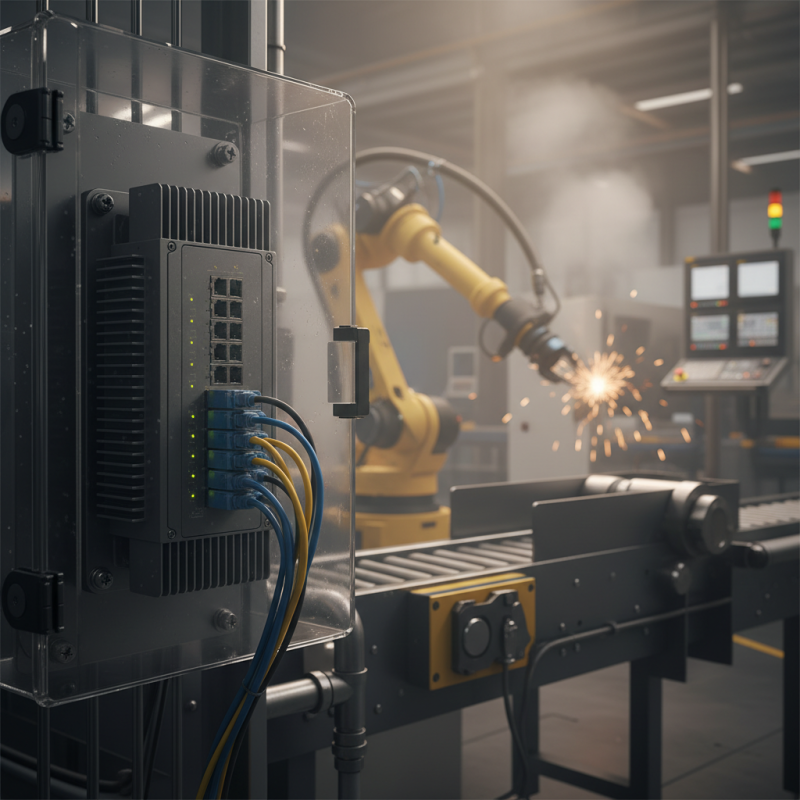
An industrial network switch is a specialized device used in harsh environments. These switches manage data traffic between devices in factories, infrastructure, and other industrial settings. Unlike standard network switches, they withstand extreme temperatures, vibrations, and electrical interference. This durability is crucial in maintaining reliable communications.
This device operates by receiving incoming data packets. It then directs them to the appropriate destination. Often, multiple devices are connected, such as cameras, sensors, and computers. An industrial network switch can handle many connections simultaneously. It ensures that each device communicates effectively. Sometimes, configurations might seem complex, and mistakes can lead to network issues.
Settings are generally adjustable based on specific needs. Adapting to a unique environment is essential. Users may encounter challenges during setup. Learning curves exist, and some may struggle to optimize performance. Regular maintenance is critical. A neglected switch can lead to significant downtime. Keeping connections clean and secure helps prevent issues.
Key Features of Industrial Network Switches
Industrial network switches are critical components in modern automation. They connect various devices in demanding environments like factories and outdoor applications. These switches must meet specific requirements to function effectively within such settings.
One key feature is ruggedness. Industrial network switches are designed to endure harsh conditions such as extreme temperatures and vibrations. Unlike standard switches, these devices utilize sturdy materials to resist dust and moisture. This durability is crucial as failure could result in costly downtime.
Another important aspect is redundancy. Many industrial switches provide dual power inputs. This feature ensures they remain operational even if one power source fails. Investing in switches with redundancy can be a lifesaver.
Tip: Evaluate the switch's environmental ratings. Ensure it fits your operational conditions.
Also, look for switches with advanced management features. The ability to monitor and manage the network simplifies troubleshooting. Switches with web interfaces make configuring settings user-friendly.
Tip: Test usability before deployment. A complex interface can lead to mistakes. If users struggle, it can cause delays in critical operations.
Ultimately, choosing the right industrial network switch requires careful consideration of these key features. Examine your specific needs to avoid mistakes. Many options exist, and not all are suitable for your application.
How Industrial Network Switches Operate
Industrial network switches play a critical role in modern automation systems. These devices facilitate seamless communication between various industrial components. They connect machines, sensors, and control systems within a network. In harsh environments, their robustness ensures reliable data transfer, essential for operational efficiency. According to industry reports, approximately 70% of manufacturing plants have integrated network switches in their operations.
The operation of industrial network switches is based on specific protocols tailored for industrial applications. These switches often utilize Ethernet, but not just standard Ethernet. Many employ Ethernet variants like EtherNet/IP or PROFINET. Such protocols prioritize real-time data transmission and low latency. Studies indicate that network delays can introduce significant bottlenecks, affecting productivity. In poorly designed networks, delays can exceed 100 milliseconds, causing output loss.
Additionally, industrial network switches provide various features, like redundancy and failover capabilities. Redundancy ensures network reliability, allowing continued operation even if a link fails. However, achieving proper configuration is crucial. Incorrect settings can lead to network loops or broadcasts storms, undermining network stability. Over 30% of industrial networks experienced some form of disruption in the past year due to misconfigured devices. Continuous monitoring and adjustments are necessary for optimal performance.
Applications of Industrial Network Switches in Industries
Industrial network switches are essential in various sectors. They facilitate seamless communication between devices in rugged environments. Manufacturing facilities, for instance, rely on these switches to ensure machines connect without interruptions. This connectivity is crucial for automation systems. An efficient switch minimizes downtime, which can be costly.
In transportation, industrial switches enable real-time data transfer. Trains and buses use them to monitor systems. However, not all setups are perfect. Sometimes, interference or data overload can occur. This situation can lead to delays or failures in communication. There’s a constant need for monitoring and adjustments.
Energy sectors also utilize industrial switches. They help manage power grids and monitor equipment. Yet, implementing these systems can be challenging. If not configured correctly, they may not handle the required load. This oversight can cause significant issues. Therefore, operators must regularly evaluate and refine their systems.
Industrial Network Switch Usage in Various Industries
This bar chart illustrates the usage percentage of industrial network switches across various industries. The manufacturing sector leads with 35%, followed by oil and gas at 25%, transportation at 15%, utilities at 10%, and telecommunications also at 15%. This demonstrates how crucial industrial network switches are in various sectors for managing data traffic and ensuring reliable communications.
Benefits of Using Industrial Network Switches for Network Infrastructure
Industrial network switches are crucial for efficient network infrastructure. Businesses in manufacturing, energy, and transportation can benefit significantly from their use. According to industry reports, the global industrial network switch market is projected to grow at a CAGR of 10% by 2025. This growth indicates increased reliance on robust networking solutions.
Using industrial switches enhances network reliability. They are designed to withstand harsh conditions. Features such as redundancy, surge protection, and extended temperature ranges set them apart. This enables uninterrupted data flow, even in challenging environments. In mission-critical applications, this reliability is non-negotiable. A breakdown can lead to substantial financial losses.
Tips: When selecting an industrial switch, consider its scalability. Choose a model that can grow with your network demands. Also, ensure it aligns with existing infrastructure. Frequent upgrades can be costly. Evaluate the total cost of ownership over time. Understanding the lifespan and maintenance requirements is essential for long-term efficacy.



 Distributors
  SDS Download
  Contact