What is a Hydraulic Proportional Valve and How Does It Work?
Hydraulic Proportional Valves are critical components in fluid power systems. These valves control the flow and pressure of hydraulic fluid, providing precise control over machinery and equipment. Understanding how they work can enhance operational efficiency in various applications.
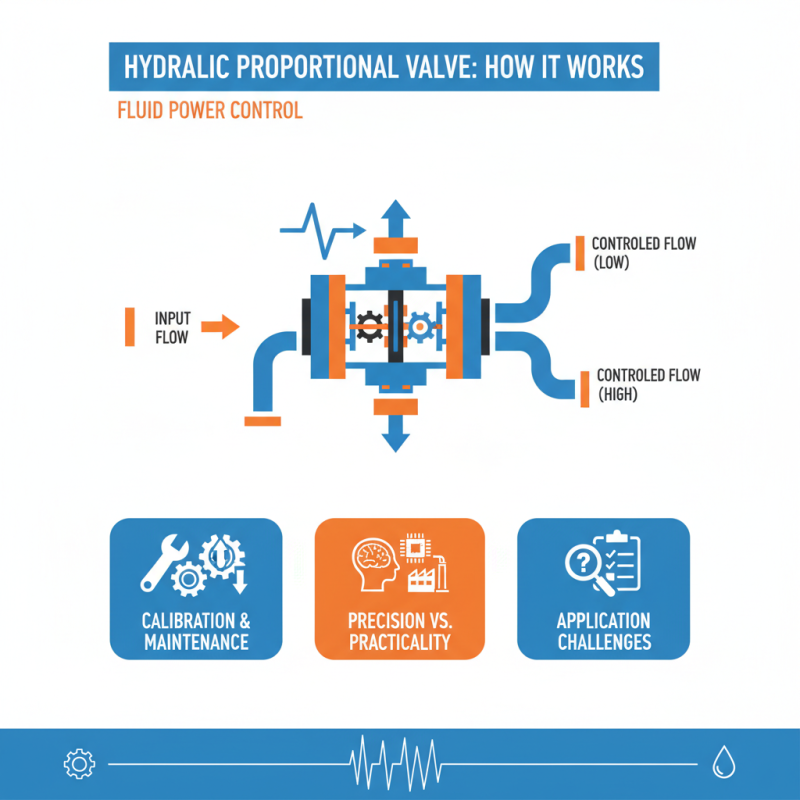
At the heart of the Hydraulic Proportional Valve is its ability to modulate flow based on electronic signals. This means that the valve can adjust fluid flow precisely, responding to system demands. However, not all applications may require such intricate control. Overuse of these valves can lead to unnecessary complexity.
There are challenges too. Calibration and maintenance of Hydraulic Proportional Valves are essential for optimal performance. Neglecting these aspects may result in inefficiencies. Users must consider the balance between precision and practicality. Each installation may present its unique issues. A reflective approach can help in leveraging the true potential of a Hydraulic Proportional Valve.
What is a Hydraulic Proportional Valve: Definition and Overview
A hydraulic proportional valve is crucial in fluid control systems. It regulates flow and pressure to ensure precise operation of hydraulic machinery. According to the Fluid Power Journal, the global market for hydraulic valves is projected to reach $12 billion by 2025. These valves enhance efficiency, enabling smoother and more controlled movements in various applications.
The working principle revolves around a simple concept: proportional control. When the operator adjusts a command signal, the valve responds accordingly. This response varies the flow rate, allowing for gradual and accurate movements. Research indicates that systems using proportional valves can improve energy efficiency by up to 30%.
However, some challenges can arise. Environmental factors may affect performance. Components may also wear over time, leading to less precision. Understanding these nuances is vital for operators. Regular maintenance can mitigate issues, yet oversight may cause failures. Industry reports suggest that up to 15% of valve-related breakdowns stem from inadequate monitoring.
Companies must be vigilant. Automation in diagnostics could enhance reliability, but it also requires initial investments. Balancing these factors is key in improving the life cycle of hydraulic systems.
Key Components of Hydraulic Proportional Valves and Their Functions
Hydraulic proportional valves are critical in fluid control systems. They allow for precise control of flow and pressure. Key components include the valve body, spool, actuator, and feedback mechanism.
The valve body houses the main components. It acts as a conduit for hydraulic fluid. The spool is movable and regulates flow. When the actuator sends a signal, the spool shifts accordingly. This movement dictates the amount of fluid passing through. A feedback mechanism ensures precision. It adjusts the spool's position based on real-time system demands.
Tips: Regular maintenance can extend the life of these valves. Ensure all components are clean. Check for wear regularly to avoid sudden failures. Hydraulic systems may sometimes behave unpredictably. Understanding your system's specific needs can help mitigate this.
Adjustments in design might yield better results. Consider different configurations for unique applications.
Experimenting with small changes can sometimes lead to significant improvements. However, always analyze the effects thoroughly before implementation. Remember, even minor tweaks can alter performance.
Principles of Operation: How Hydraulic Proportional Valves Regulate Flow
Hydraulic proportional valves are key components in fluid control systems. They manage flow rates and pressures by responding to electrical signals. This action allows for precise control of machinery and equipment.
In the operation of hydraulic proportional valves, a small electrical current is sent to a solenoid. This current moves a spool within the valve. The spool's position changes depending on the current's intensity. When the electrical input fluctuates, the spool adjusts, altering the fluid flow. As a result, you achieve smooth and proportional movement in hydraulic systems.
Tip: Regular inspection of hydraulic systems can prevent breakdowns. Look for leaks or unusual noises, as these can signify issues. Also, ensure connections are secure and free from corrosion.
It's important to consider that proportional valves require proper tuning. If set incorrectly, they can cause erratic flow behavior. Frequent adjustments may be necessary during initial setup. Operators must be mindful of this and document any changes made. This documentation helps with future troubleshooting.
Performance Parameters: Responsiveness and Load Handling in Proportional Valves
Hydraulic proportional valves play a crucial role in various applications. Their performance greatly depends on responsiveness and load handling. Responsiveness refers to how quickly the valve can react to changes in input signals. A highly responsive valve allows for precise control of fluid flow, essential in tasks such as machine operation or vehicle movement.
Load handling is equally important. It determines how well the valve can manage varying loads while maintaining performance. For instance, under high load conditions, a proportional valve must adapt without compromising fluid delivery. This adaptability can sometimes lead to issues like overheating. Engineers must monitor these valves closely to avoid potential failures.
Balancing responsiveness and load handling is challenging. If a valve is too responsive, it may react erratically under load. However, if it prioritizes load handling, it may lag in responsiveness. Striking the perfect balance requires extensive testing and fine-tuning. Observing real-world performance helps identify areas for improvement. It's a continuous process of reflection and adaptation in hydraulic system design.
Performance Parameters of Hydraulic Proportional Valves
Applications and Industry Use Cases for Hydraulic Proportional Valves
Hydraulic proportional valves are widely utilized across multiple industries due to their precision and efficiency. In mobile machinery, they ensure accurate control of hydraulic systems. A report from the International Society for Automation mentions that precision control improves operational efficiency by up to 25%. This is crucial for equipment like excavators and compactors, where precision can impact productivity significantly.
In manufacturing, these valves play a key role in automation processes. They facilitate smooth transitions and maintain pressure levels within specified ranges. According to a study by Research and Markets, the demand for these valves in manufacturing is expected to rise by 15% annually. However, integrating proportional valves can be complex, requiring skilled personnel and maintenance. Many companies find it challenging to keep up with evolving technologies.
In aerospace, hydraulic proportional valves maintain flight control systems and landing gear. They must meet stringent safety standards, and any failure can lead to catastrophic results. Despite advancements, many aerospace systems still face reliability issues. This highlights the necessity for continued innovation and improvement in valve design and application. The industry is evolving, but challenges remain.



 Distributors
  SDS Download
  Contact