X

Partner Login

Enter your username and password here on order to log in on the partner portal:

No registered partner yet?

Register now

Top 10 Hydraulic Cutting Machine Manufacturers and Suppliers

A Hydraulic Cutting Machine is judged by more than its rated tonnage. Buyers also need to consider cutting accuracy, cycle consistency, tooling access, and the support available after installation. A powerful press is not automatically the right press. The wrong bed size or control setup can slow an otherwise capable production line.

Hydraulic-control authority Herbert E. Merritt, author of Hydraulic Control Systems, provides a useful engineering lens. A practical paraphrase of that approach is: “Reliable performance depends on matching the hydraulic system to the work it must do.” This is not a verbatim quotation. It points to a real purchasing question: does the machine suit the material, thickness, cut shape, and daily workload? A specification sheet may look impressive, yet reveal little about changeover time or spare-parts access.

This guide introduces ten Hydraulic Cutting Machine manufacturers and suppliers for buyers comparing equipment and service options. Look closely at tonnage, stroke, table dimensions, control features, guarding, and maintenance access. Ask suppliers how they handle installation, operator training, and replacement components. Where possible, compare a sample cut using your own material; clean edges under showroom conditions do not tell the whole story. The list is a starting point, not a final verdict. Supplier capabilities and regional support can vary, and the best fit may be less obvious than the headline specifications suggest.
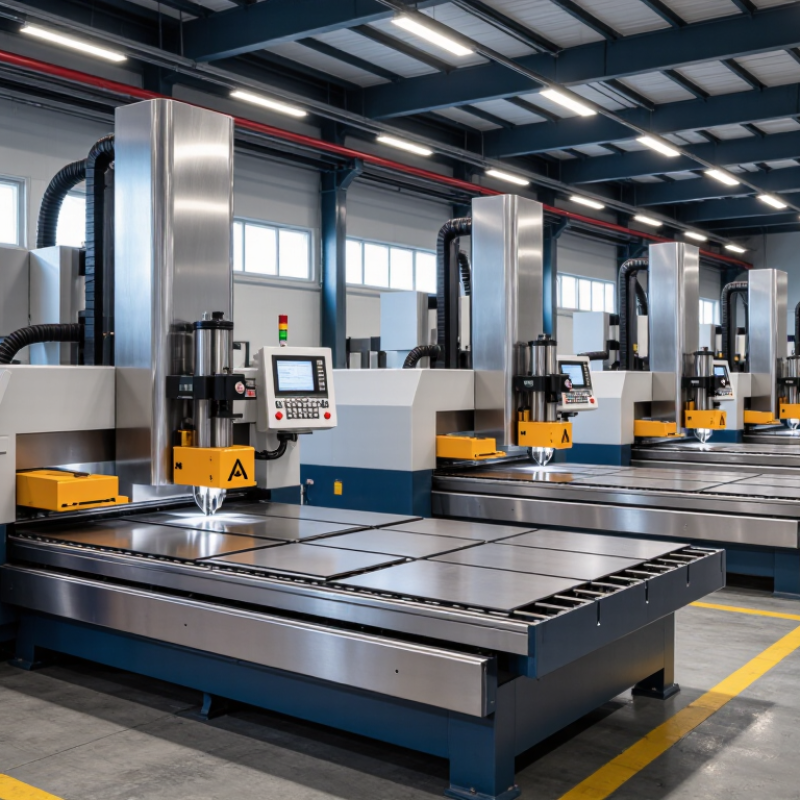
Top 10 Hydraulic Cutting Machine Manufacturers and Suppliers

Hydraulic Cutting Machines: Core Technologies and Industrial Applications

Hydraulic cutting machines use pressurized fluid to drive a ram and blade through material. A pump supplies pressure, while cylinders convert it into controlled cutting force. Operators can adjust stroke, pressure, and cycle speed for different jobs. Modern controls may include position sensors and overload protection. The quality of the cut still depends on blade condition, machine alignment, and steady material feeding. The details matter.

These machines serve textile, packaging, rubber, foam, and metal-processing operations. In a textile workshop, a broad blade can cut stacked fabric layers into repeatable shapes. A sheet-processing line may use a hydraulic shear for straight cuts through metal plate. For foam products, controlled pressure helps limit compression around the cut edge. Results vary with material thickness, hardness, and blade geometry, so settings should be tested on sample pieces before production.

Choosing equipment involves more than comparing maximum tonnage. A machine sized far above the actual workload may use energy inefficiently, while an undersized unit can produce rough edges or excessive wear. Small differences show. Regular checks of hydraulic hoses, fluid levels, guards, and blade sharpness help maintain consistent operation. Maintenance records are useful, though they can be incomplete when shifts change or workloads rise quickly. Operators should note unusual noise, slow ram movement, or fluid leaks and arrange inspection before these symptoms worsen.

Key Criteria for Evaluating Manufacturers and Suppliers

When comparing hydraulic cutting machine manufacturers and suppliers, start with the work the machine must actually perform. Specify material type, maximum thickness, sheet size, and expected production volume. Ask for the cutting force, stroke range, and repeatability figures, then check that they match your operating needs. A machine rated for thick stock may still be inefficient on frequent, smaller cuts. Numbers matter. Request a sample cut using material similar to yours, and inspect the edge for burrs, distortion, and consistency.

Safety and build quality deserve close attention. Look at the guarding, emergency stops, control layout, and access points used during routine maintenance. Ask what inspection records and operating documents come with the machine. If possible, watch a full cycle rather than a staged demonstration. A clean showroom tells you little about performance after a long shift. Test it under realistic conditions.

Service support can affect the machine’s real cost as much as its purchase price. Confirm typical response times, technician availability, spare-part lead times, and warranty coverage in writing. Ask for references from operations with similar workloads, not just general testimonials. Compare energy use, tooling costs, and maintenance intervals alongside the quoted price. No checklist removes judgment; operator feedback may even conflict with a supplier’s test results. Treat that as a reason to investigate further.

Top 10 Hydraulic Cutting Machine Manufacturers and Suppliers

Top 10 Hydraulic Cutting Machine Manufacturers and Suppliers

Comparing the top 10 hydraulic cutting machine manufacturers and suppliers means looking beyond advertised pressure and cutting force. Check the working-table dimensions, stroke length, blade clearance, and material range against your actual production needs. A machine cutting 6 mm rubber behaves differently from one processing dense fiberboard. Ask suppliers for a sample cut using your material, then inspect edge quality and repeatability. Useful technical documents should explain maintenance intervals, hydraulic-fluid requirements, and available safety features. Vague answers deserve a closer look.

Tips: Request a written quotation with tooling, installation, and service details separated. Confirm spare-part lead times and operator training before ordering. If possible, watch a full cutting cycle—not just a demonstration clip. Small details matter.

A strong supplier should discuss duty cycle and expected daily output, not only peak capacity. Ask how the machine handles heat, pressure variation, and frequent starts; these conditions can affect consistency over time. Compare warranty terms and local service access, too. The cheapest offer may leave gaps in support. Still, a polished factory visit does not guarantee trouble-free operation, and no checklist catches everything. Record your production assumptions and test them against the supplier’s recommendations.

Top 10 Hydraulic Cutting Machine Manufacturers and Suppliers

The table compares common supplier specializations rather than ranking or naming individual companies. Machine configurations and available features vary by supplier and model.

No. Supplier Specialization Common Machine Configuration Typical Applications Key Details to Compare
1 Footwear cutting press suppliers Swing-arm or traveling-head hydraulic press Leather, shoe uppers, insoles, and footwear components Cutting force, working area, stroke adjustment, and operator safety features
2 Leather goods cutting press suppliers Swing-arm or traveling-head press with a cutting table Bags, wallets, belts, and leather accessories Material coverage, head movement, cutting accuracy, and tool compatibility
3 Textile and garment cutting press suppliers Traveling-head or beam-type hydraulic cutting press Fabric, felt, garment components, and technical textiles Cutting-area dimensions, material handling, cycle control, and die setup
4 Foam converting press suppliers Traveling-head or platen-style hydraulic press Foam sheets, cushioning, packaging inserts, and upholstery parts Material thickness range, platen dimensions, stroke control, and cutting method
5 Rubber and gasket cutting press suppliers Fixed-platen or four-column hydraulic press Rubber sheets, seals, gaskets, and non-metallic components Press force, platen parallelism, repeatability, and compatibility with the material and die
6 Paper and board die-cutting press suppliers Hydraulic platen press with flat-die tooling Paperboard, corrugated board, labels, and packaging components Platen size, pressure adjustment, feeding method, and production-cycle requirements
7 Composite and laminate cutting press suppliers Four-column or custom platen hydraulic press Composite sheets, laminates, insulation panels, and technical materials Material-specific trials, pressure distribution, tooling clearance, and process controls
8 Packaging material cutting press suppliers Beam-type or traveling-head hydraulic press Protective foam, fiberboard, and die-cut packaging inserts Sheet size, throughput requirements, loading arrangement, and guarding
9 Industrial material cutting press suppliers C-frame or four-column hydraulic cutting press Gaskets, non-metallic sheets, and general die-cut components Frame rigidity, working envelope, control system, and maintenance access
10 Custom hydraulic cutting system suppliers Application-specific press with optional automation Production lines requiring specialized tooling or material handling Engineering scope, integration needs, service support, and documented safety compliance

Comparing Equipment, Certifications, and After-Sales Support

When comparing hydraulic cutting machine suppliers, look beyond rated tonnage. Match the machine’s cutting force, bed size, stroke, and daylight opening to your material and largest workpiece. Ask for a test cut using a sample close to your actual production material. Watch for uneven edges, excess noise, or slow return motion. Small details matter.

Check what each certification covers. A certificate may apply to a factory’s quality system, not every machine model or safety feature. Request current documents and confirm the issuing body and scope. Also inspect practical safeguards, such as two-hand controls, emergency stops, and clear maintenance access. A polished specification sheet is useful, but it cannot replace a machine demonstration.

After-sales support can shape the real cost of ownership. Ask how quickly technicians respond, which wear parts are stocked, and whether remote troubleshooting is available. Get training, warranty terms, and service charges in writing. Compare those details across suppliers, not just the purchase price. A tidy scoring table helps, though it may hide differences in local service coverage. I would revisit the weighting before choosing. A low price can still be sensible, but only when parts, response times, and operating needs align.

Selecting a Supplier for Your Production Needs

Selecting a hydraulic cutting machine supplier starts with your actual production mix, not the largest capacity listed in a catalog. Record the material type, maximum thickness, sheet dimensions, and expected cuts per shift. Then ask suppliers to demonstrate a test cut using a similar material. Check edge quality, repeatability, and how easily operators can load and align the workpiece. A machine that meets today’s needs but leaves no room for thicker stock may become a costly limitation.

Compare the full operating setup, not just the machine price. Confirm the press force, working-area dimensions, control functions, safety features, and access to replacement blades and hydraulic components. Ask how service requests are handled and which parts are commonly kept in stock. Request a written maintenance schedule. Small details matter. A fast cycle time sounds useful, but it has little value if setup takes too long or production stops while waiting for a part. Supplier claims should be checked against test results and clear specifications.

Tips: Bring sample material and a simple production estimate to each supplier discussion. Ask for installation, operator training, warranty coverage, and typical service response times in writing. Compare quotes line by line. A spreadsheet can overlook awkward loading access or noise near the operator station, so inspect the machine in person when possible. One missed detail can change the daily workflow.