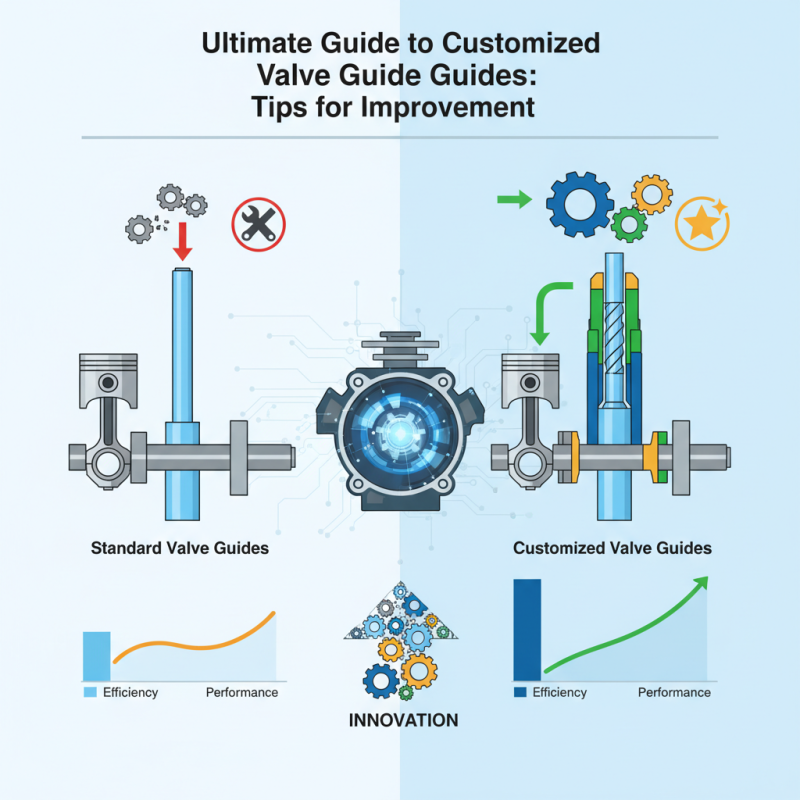
Ultimate Guide to Customized Valve Guides Tips for Improvement?
In the realm of engine performance, "Valve Guide Customized" solutions have become increasingly essential. Recent industry studies show that tailored valve guides can enhance engine efficiency by up to 15%. This improvement significantly impacts horsepower and torque, vital metrics in engine performance.
One must consider the diversity of engine designs. A one-size-fits-all approach often fails to meet specific performance needs. Customization allows for precise fitting, which reduces wear and tear. Industry experts suggest that customized valve guides lead to less downtime and maintenance.
However, not all customizations yield positive results. Poorly executed modifications can lead to instability and increased friction. It is crucial to balance customization with proven engineering principles. Reflecting on these challenges can inspire further innovation in valve guide design and improve overall engine performance.
Understanding Customized Valve Guides: An Overview
Customized valve guides are critical for optimizing engine performance. They help in aligning the valve to the cylinder head properly. A well-finished guide enhances oil control and promotes better airflow. This leads to improved combustion efficiency. Understanding these basics is essential for anyone looking to enhance their vehicle's performance.
One important tip is to choose the right materials. Different engines require different materials for valve guides. Sometimes it's easy to overlook this aspect. Choosing a subpar material can lead to premature wear and performance issues. Pay close attention to tolerances. Manufacturing imperfections can affect how well the valve operates.
Another tip is to consider the specific needs of your engine. Some engines thrive on tighter tolerances, while others do well with looser setups. It is essential to balance performance and durability. Always remember that every modification is a step toward either improvement or further complication. Reflect on the intended use of your engine before making decisions.
Key Materials Used in Customized Valve Guide Manufacturing
When it comes to customized valve guides, the choice of materials plays a crucial role. The most common materials include bronze, aluminum, and steel. Each offers unique properties that can affect performance. Bronze is known for its excellent wear resistance. It provides a balance between strength and machinability. Aluminum, on the other hand, is lighter and has good thermal conductivity, but may not withstand high temperatures as well. Steel provides maximum durability but can be heavier, affecting the overall performance of the engine.
In practice, manufacturers often face challenges. For instance, achieving the right balance between weight and strength can be difficult. Selecting the wrong material may lead to premature wear or failure. Many engineers recommend testing various materials for specific applications. If a material doesn't perform as expected, it may require adjustments. This trial-and-error process can unveil unexpected issues. It's important to stay open to alternatives and innovations in materials. Finding the perfect combination can lead to significant improvements in performance. So, careful consideration is needed when selecting materials for customized valve guides.
Steps to Design and Manufacture Customized Valve Guides
Designing and manufacturing customized valve guides requires a clear understanding of material properties and machining processes. For instance, materials like aluminum and bronze are often used due to their lightweight nature and thermal conductivity. Reports indicate that precision in design affects durability and performance significantly. In fact, systems with poorly designed guides can lead to increased wear rates, potentially increasing maintenance costs by over 30%.
One critical tip in this process is to focus on tolerances during machining. Tight tolerances enable better performance, but achieving them can be challenging. Even minor deviations can lead to clearance issues or diminished engine efficiency. Ensure that your CNC machining process is finely tuned to avoid these pitfalls.
Another consideration is surface finish. A rough finish may lead to premature wear. Data shows that smoother surfaces can improve efficiency by at least 15%. Investing time in achieving a high-quality finish can dramatically affect performance and longevity. Take time to evaluate and refine your manufacturing processes. It's crucial for ongoing improvements.
Common Challenges and Solutions in Valve Guide Customization
Customizing valve guides can be a challenging process. One common issue is the need for precise measurements. Any small error can lead to poor performance. This often results in excessive wear or misalignment. The key is to ensure accuracy during the initial sizing. Invest time in proper tools and measurements to reduce future problems.
Another challenge is material selection. The right material will impact longevity and performance. However, many overlook this aspect. Testing different materials can help identify the best fit for specific applications. It’s essential to factor in heat resistance and durability. Sometimes, what seems like a perfect choice may not hold up long-term. Regular reviews and adjustments are crucial for ongoing success.
Lastly, communication with machinists is vital. Misunderstandings can lead to mistakes that are costly. Keep feedback loops open. Regularly discuss any issues that arise during the customization process. Cultivating a collaborative relationship can ease tensions. It also fosters innovation, which is key to overcoming these challenges.
Ultimate Guide to Customized Valve Guides: Challenges and Solutions
This bar chart illustrates the common challenges faced in valve guide customization along with potential solutions. The data highlights various aspects, allowing for a better understanding of areas needing improvement.
Tips for Optimizing Performance with Customized Valve Guides
Customized valve guides can significantly boost engine performance. The perfect fit ensures valves operate smoothly. This reduces friction, which can lead to increased horsepower and efficiency. However, achieving the ideal match can be tricky. Measure your engine specifications accurately. Even a minor error can result in performance loss.
Material choice plays a vital role. Choosing high-quality materials can enhance durability. Some options may reduce weight but could compromise strength. It’s essential to strike a balance. Testing different designs may yield surprising results. Remember, the ideal configuration often requires trial and error. Don't shy away from experimenting. It’s part of the optimization process.
Pay attention to the installation process. A misalignment can create problems down the line. Ensuring that the guides are perfectly aligned is critical. Monitor engine performance after installation. Small adjustments after testing can lead to better results. Continuous improvement is key, as what works today might need refinement tomorrow.



 Distributors
  SDS Download
  Contact