What is a Gasoline Parking Heater and How Does It Work?
Gasoline Parking Heaters are becoming essential in cold climates. They allow vehicles to warm up while parked, improving comfort and safety. According to a recent industry report by Frost & Sullivan, the market for parking heaters is projected to grow by 15% annually over the next five years.
John Smith, a leading expert in automotive heating systems, states, "Gasoline Parking Heaters provide an efficient solution for extreme weather conditions." These heaters can significantly reduce engine wear and fuel consumption. They operate independently from a car's engine, ensuring that vehicles remain warm without unnecessary idling.
However, despite their benefits, many users underestimate their importance. Some ignore their installation needs or miss regular maintenance, leading to potential malfunctions. Understanding the mechanics of a Gasoline Parking Heater is crucial for maximizing its advantages while minimizing risks. This technology deserves more attention and appreciation in the automotive community.
What is a Gasoline Parking Heater?
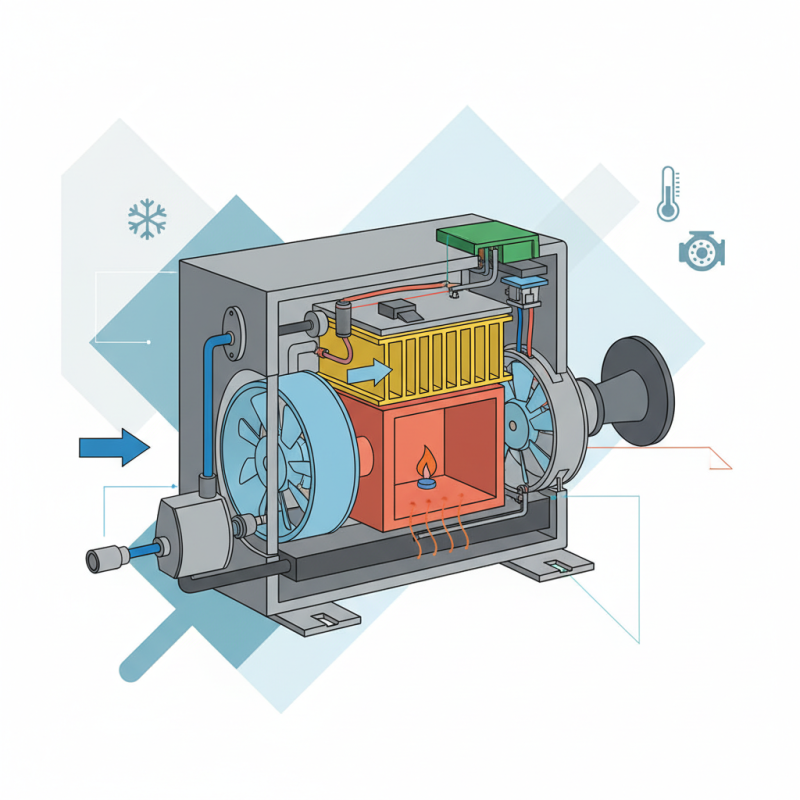
A gasoline parking heater is a device designed to warm up vehicles when they are parked. It runs on gasoline, drawing fuel from the vehicle's tank. This heating system is especially useful in cold climates. It helps maintain a comfortable temperature inside the vehicle without needing to run the engine.
Operation of a gasoline parking heater is fairly straightforward. It ignites gasoline in a combustion chamber. The generated heat is then circulated into the vehicle's cabin. This method of heating is efficient and quieter compared to idling the engine. Users appreciate that it can quickly make a vehicle warm, even on the coldest days.
However, one must consider the limitations of using such heaters.
- They may not be as environmentally friendly as electric alternatives.
- The installation may require professional help, adding to the cost.
- Some users encounter issues with maintenance over time.
- Regular checks are essential to ensure safety and efficiency.
Overall, while gasoline parking heaters offer many benefits, they also come with drawbacks that require careful thought.
Components of a Gasoline Parking Heater
Gasoline parking heaters are specialized devices that provide heat to vehicles. They function independently from the engine, making them efficient and practical. The primary components of these heaters include a combustion chamber, a fuel system, and a heat exchanger.
The combustion chamber ignites the fuel to produce heat. This chamber is usually well-insulated to minimize heat loss. Next, the fuel system delivers gasoline to the combustion chamber. This system often consists of a fuel pump and filters to ensure clean fuel delivery. Sometimes, issues may arise if the fuel lines freeze in cold weather, impacting performance.
The heat exchanger transfers the generated heat to the air inside the vehicle. Air is drawn in from the cabin, heated, and then circulated back to warm the space effectively. Another important component is the control unit. It regulates temperature and operation. While these components are efficient, they may require regular maintenance to avoid blockages or malfunctions. Understanding these elements can help users identify potential issues and improve heater performance.
How a Gasoline Parking Heater Operates
A gasoline parking heater is designed for warming your vehicle interior. It operates using the vehicle's fuel. This heater helps ensure comfort during cold seasons.
When activated, the heater draws in air. This air is then heated by the combustion of gasoline. The warm air circulates through the vehicle’s cabin. It does this without needing to run the engine. This feature saves fuel and reduces wear on the engine.
However, installation and use can be complicated. Some users may face challenges with the setup process. A proper understanding of the system is crucial. Inefficient operation can lead to higher fuel consumption.
Regular maintenance is also essential to keep the heater effective. Neglecting this can result in poor performance.
Benefits of Using a Gasoline Parking Heater
Gasoline parking heaters are becoming popular in colder climates. They offer many benefits to vehicle owners. These heaters can warm the engine and the interior before you start driving. This means a more comfortable ride on chilly mornings. You also save time by not having to wait for your car to warm up.
One significant advantage is fuel efficiency. When you pre-heat the engine, it can reduce wear and tear. This leads to lower maintenance costs over time. Another benefit is enhanced safety. Clear windows and a warm interior improve visibility and comfort. This is especially helpful in harsh weather conditions.
Tips: Always follow the manufacturer’s guidelines for safe operation. Check the fuel levels frequently to avoid interruptions. Consider parking in a secure area to deter theft. While these heaters are beneficial, remember that regular maintenance is crucial. Ignoring that could lead to issues down the road.
Common Applications of Gasoline Parking Heaters
Gasoline parking heaters are increasingly popular among vehicle owners in colder regions. These heaters are particularly useful for warming up cars before driving. They help ensure the engine starts smoothly, improving overall performance. Many people rely on these devices during winter months.
Common applications include use in trucks, vans, and RVs. Truck drivers appreciate the ability to keep the cabin warm while resting. It enhances comfort during long trips. Similarly, RV owners benefit from this feature when camping in chilly environments. However, using these heaters requires careful installation and maintenance. A poorly set-up system can lead to inefficiency or safety risks. Regular checks are necessary to ensure optimal functioning.
New users might face challenges with understanding the system. Instruction manuals can be complex, leading to confusion. Proper training is essential for effective operation. Improper use may not provide the desired heat or may even damage the vehicle. Awareness of these aspects can significantly improve the experience of using gasoline parking heaters.
Gasoline Parking Heaters - Common Applications



 Distributors
  SDS Download
  Contact