What is a Digital Signage LED Wall and How Does It Work?
In today's digital landscape, a digital signage LED wall stands out as an effective communication tool. These vibrant displays have transformed how businesses engage with their audience. They utilize state-of-the-art LED technology to deliver dynamic content in real time. This innovation enhances visibility, allowing critical messages to reach a wider audience with clarity.
Understanding how a digital signage LED wall works is essential for organizations aiming to leverage its benefits. This technology combines hardware and software to create stunning visual experiences. It allows for diverse content, from advertisements to informational displays, ensuring adaptability in various environments. However, implementing such solutions requires careful planning and investment, which may challenge some businesses.
As we explore digital signage LED walls, we must also consider their impact. Though they offer significant advantages, they can overwhelm viewers if not designed thoughtfully. Achieving the right balance between aesthetics and functionality is crucial. This reflection leads to better user experiences and maximizes the potential of digital signage solutions.
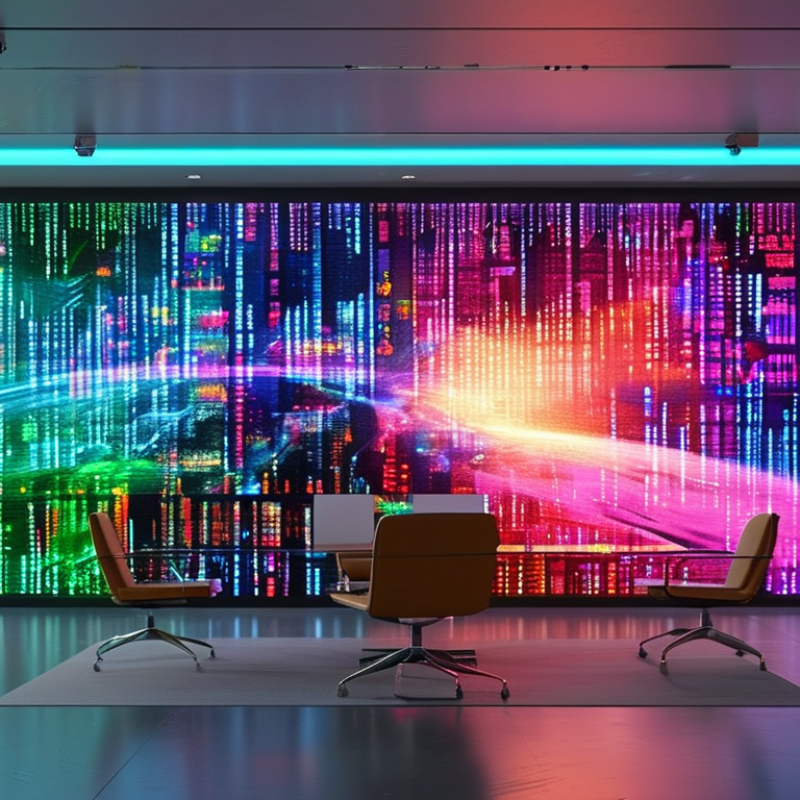
What is a Digital Signage LED Wall?
Digital signage LED walls are transforming how brands communicate. These large-scale displays use LED technology to showcase engaging content. Typically found in public spaces, they attract attention and transmit messages in real-time. According to a report by MarketsandMarkets, the global digital signage market is set to reach $31.71 billion by 2025, highlighting its growing relevance.
The anatomy of a digital signage LED wall involves numerous small LED units working together. This setup ensures high brightness and clarity, even in daylight. The content is delivered through digital systems, allowing for quick updates and scheduling. Research from IHS Markit indicates that LED technology accounts for over 50% of the digital signage market share in recent years. The flexibility of content dynamically enhances user experience, but not every installation is successful. Poor planning or content that fails to engage can lead to underperformance.
Despite these advancements, challenges persist. The initial investment can be substantial, raising concerns for many businesses. Furthermore, ongoing maintenance is essential to ensure optimal functioning. Data from the Digital Signage Federation shows that 20% of digital signage installations face technical difficulties within the first year. This highlights the need for expertise in deployment and management.
Key Components of a Digital Signage LED Wall
Digital signage LED walls are gaining traction in various sectors. Key components of these systems play a crucial role in their performance and effectiveness. The display panels are composed of hundreds or thousands of tiny LEDs. These LEDs emit light to create bright, vivid images. Various pixel pitches, such as 3mm or 5mm, determine the resolution. A smaller pitch results in higher clarity, making it suitable for close viewing.
An essential aspect of an LED wall is its control system. This typically includes software for content management. A study by MarketsandMarkets reported that the global digital signage market is expected to reach $31.71 billion by 2026. This growth emphasizes the need for robust content strategies. Content needs to be updated regularly and tailored to the audience.
Another vital component is connectivity. LED walls should integrate easily with other systems, such as video conferencing tools or social media feeds. Compatibility with different media sources is often overlooked. Creating a seamless user experience is a challenge. The technology evolves rapidly, and keeping pace requires ongoing training and adaptation. For optimal impact, regular assessments of the performance and effectiveness of an LED wall are essential.
How Digital Signage LED Walls Function
Digital signage LED walls are increasingly popular in various settings. They utilize clusters of LED panels to display dynamic content. This technology is built on an array of small, illuminated pixels that work in tandem. Each pixel emits light, creating vivid images and videos. This immerses viewers in a visually engaging experience.
The operation of digital signage LED walls relies on powerful software. These systems allow users to manage what appears on the screens. Content can range from promotional videos to informational displays. The flexibility of these systems ensures they adapt to changing needs. However, sometimes, technical glitches can disrupt the display. Regular maintenance is essential to keep everything running smoothly.
Furthermore, the placement of LED walls is crucial for effectiveness. Positioning them in high-traffic areas maximizes visibility. However, factors like brightness and angle can impact visibility as well. There can be challenges in balancing these variables. Understanding the needs of the audience enhances the impact of the message. Each installation offers lessons learned for greater future success.
Digital Signage LED Wall Usage Statistics
Applications of Digital Signage LED Walls in Various Industries
Digital signage LED walls are transforming various industries by enhancing communication and engagement. In retail, for example, interactive displays can increase sales by up to 29%. Shoppers respond to eye-catching visuals. Employers use these tools to grab attention, creating an immersive shopping experience. The retail sector is projected to grow significantly. The global digital signage market is expected to reach $31.62 billion by 2025, according to a recent report.
In corporate settings, LED walls serve multiple purposes. They facilitate internal communication and streamline presentations. A study found effective visual displays can boost retention rates by 65%. Organizations that communicate visually can enhance message clarity. However, not all companies employ digital signage effectively. Some may struggle with content updates. Keeping information fresh remains a challenge.
In entertainment venues, LED walls create captivating atmospheres. Concerts and sports events increasingly rely on dazzling displays. These installations enhance audience engagement. Yet, the costs can be a concern. It’s vital to evaluate the return on investment before installing such technology. Careful planning and strategic implementation are crucial.
Benefits of Using Digital Signage LED Walls for Advertising and Communication
Digital Signage LED walls are transforming how businesses advertise and communicate. These dynamic displays are becoming essential tools in modern marketing. According to a recent industry report, companies using digital signage observe an increase in engagement by up to 400%. This leap in interaction can be attributed to the visually striking nature of LED technology, which captures attention effectively.
Using LED walls for advertising offers numerous benefits. They provide real-time content updates, allowing businesses to shift messaging based on trends or events. An impressive statistic reveals that 80% of consumers recall a digital ad they viewed within the last 30 days. This heightened recall enhances brand visibility and message retention. Additionally, LED displays can be strategically placed in high-traffic areas. This increases foot traffic and generates more potential customers.
However, the implementation of digital signage is not without challenges. Many organizations struggle with content creation and maintenance. Finding the right balance between informative and appealing content is critical. Regular updates can require significant resources, which some businesses may overlook. Understanding these hurdles is integral, as streamlined management can amplify the effectiveness of digital signage. Engaging visuals combined with thoughtful messaging can drive positive outcomes in any advertising strategy.



 Distributors
  SDS Download
  Contact