How to Choose the Right Galvanized Nails for Your Project?
When embarking on a construction or DIY project, the choice of materials is crucial. Among these materials, "Galvanized Nails" play a significant role. Expert John Smith, a renowned authority in the fasteners industry, once stated, "Selecting the right nails can make or break the durability of your project." This highlights the importance of careful selection.
Galvanized nails are treated with a protective coating, making them rust-resistant. They are ideal for outdoor use or in humid environments. However, not all galvanized nails are created equal. There are different types, such as smooth shank, ring shank, and spiral shank. Each serves a unique purpose and has specific applications.
It's easy to overlook the details when choosing galvanized nails. Mismatched nail types can lead to weaker joints or even project failures. Taking time to assess your project's needs is essential. Consider the materials you are using and the environment they will face. The right galvanized nails enhance longevity and ensure project success.
Understanding Galvanization and Its Benefits for Nails
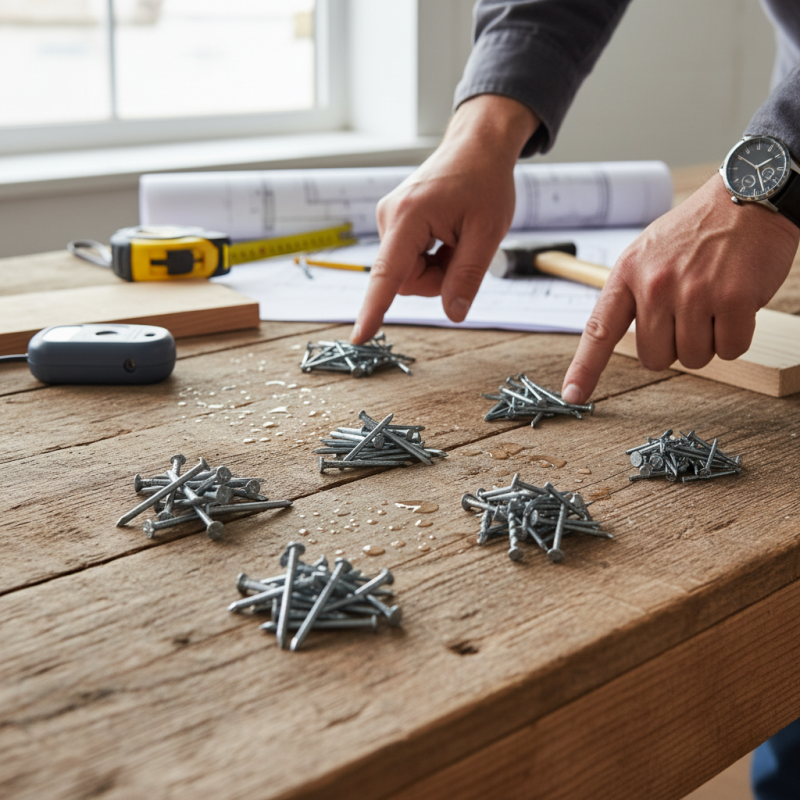
Galvanization is a crucial process in enhancing the durability of nails. It involves coating nails with a layer of zinc. This zinc layer acts as a barrier against moisture and corrosive elements. Reports indicate that galvanized nails can resist corrosion five to ten times longer than untreated nails. This makes them ideal for outdoor projects where weather exposure is a concern.
However, not all galvanized nails are created equal. Different methods of galvanization, like hot-dip and electro-galvanization, offer varying levels of protection. Hot-dip galvanization tends to offer greater corrosion resistance. Yet, it can increase the thickness of the coating. This might not suit every project, especially those requiring a tighter fit. Additionally, the visual aspect of a nail's finish may need consideration. A rougher surface might impact aesthetics in visible applications.
When selecting galvanized nails, assessing the specific needs of your project is vital. Look into factors such as the exposure environment and material compatibility. Understanding these details can prevent issues down the line. Choosing the right nails influences the overall longevity and appearance of your project. Paying attention to the nuances of galvanization can lead to more informed decisions.
Comparison of Types of Galvanized Nails
Types of Galvanized Nails and Their Common Uses
Choosing the right galvanized nails involves understanding their types and uses. Galvanized nails are steel nails coated with zinc. This coating helps prevent rust. There are several common types of galvanized nails that serve different purposes.
Commonly used are common nails, which are versatile. They work well for framing and general construction. For roofing projects, roofing nails are preferred. These have larger heads that help hold roofing materials securely. Then there are finishing nails, which are designed for trim work. They have smaller heads, which allow for a clean finish but may require careful hammering.
When selecting nails, consider the project requirements. Sometimes, you may find that a particular type of nail does not work as expected. For instance, using a finishing nail in a heavy-duty application may lead to problems. It’s also important to check the length and gauge of each nail. Choosing the wrong size can lead to weak joints. Always test in a small area first before committing to larger applications.
Factors to Consider When Choosing Galvanized Nails
When selecting galvanized nails for your project, several factors come into play. The type and thickness of the materials you are working with greatly influence your choice. Thicker materials may require longer or heavier nails. For wood, a slightly thicker nail helps to improve holding power. But be careful not to go overboard, as too heavy a nail can split delicate wood.
Consider the environment of your project. Galvanized nails come with different coatings. Some offer better corrosion resistance than others. If your project is outdoors or in a humid area, opt for higher-grade galvanized nails. They will hold up better against the elements.
Tips can be useful in this process. Always match the nail type to your project needs. Use ring-shank nails for extra holding power in applications like roofing. Don't forget to check the gauge. A higher gauge refers to a thinner nail, which might not suit every project. Always test a few nails in scrap material before full installation. This way, you can assess the compatibility and avoid wasting materials. Choose wisely and your projects will benefit.
Project-Specific Requirements for Selecting the Right Nails
When selecting galvanized nails for your project, you must consider specific requirements. The type of material you are fastening is crucial. For example, wood and metal need different nail types. The thickness of the materials can also dictate the size of the nails. Check if the job requires additional protection against rust. In damp conditions, choosing heavier-gauge nails can provide more durability.
Tips: Always test a few nails before starting large projects. Use a scrap piece of material to assess grip and resistance. If the nails bend easily, consider switching to a thicker gauge.
The drive length is another aspect to think about. Longer nails provide better holding power, especially in structural applications. However, you may want to avoid going too deep and damaging the material. Consider how deep screws are already installed and choose your nails accordingly.
Some projects may reveal unexpected challenges. For instance, you might find that your initial nail choice splinters the wood. This can be a frustrating setback. Keep an open mind and be willing to adjust your approach. Sometimes the solution lies in a different type of nail or fastening method.
Best Practices for Installing Galvanized Nails in Various Projects
When installing galvanized nails, understanding the right techniques can make a significant difference. Use a hammer designed for the job to reduce mis strikes. Consider using a guide or block to keep nails straight. This helps prevent bending, which can happen often. It’s crucial to choose the right size of nail. Too long, and it may split your wood. Too short, and it won’t hold.
Different projects require different approaches. For roofing, you might need to angle the nails to secure shingles better. In framing, space the nails evenly for optimal strength. Make sure to avoid rusting. This is essential in outdoor projects. Should you notice any corrosion, it might weaken the structure over time.
Don't rush the process. Taking your time can save you from future repairs. Always check your work before moving on. A small mistake now may lead to regret later. Trust your instincts and learn from each project. Each nail hammered is a lesson in craftsmanship.
How to Choose the Right Galvanized Nails for Your Project?
| Nail Type | Size (inches) | Recommended Use | Coating Type | Corrosion Resistance |
| Common Steel Galvanized Nail | 2 | Decking | Hot-Dip | Moderate |
| Ring Shank Galvanized Nail | 2.5 | Roofing | Electro-Galvanized | High |
| Wire Cement Galvanized Nail | 1.5 | Concrete | Hot-Dip | Very High |
| Finishing Galvanized Nail | 1 | Trim and Molding | Electro-Galvanized | Moderate |
| Siding Galvanized Nail | 2 | Exterior Siding | Hot-Dip | High |



 Distributors
  SDS Download
  Contact