How to Choose an Air Duct Machine in 2026?
Choosing an Air Duct Machine in 2026 requires more than comparing motor power or advertised cleaning speed. The right equipment must suit the duct layout, surface type, access points, and daily workload. A compact machine may work well in residential homes, while larger commercial systems often need stronger suction, longer hose capacity, and better filtration.
HVAC equipment specialist Michael Turner explains, “A machine should fit the duct system, not merely impress the buyer.” That practical view matters. A powerful motor cannot compensate for poor hose control, weak seals, or difficult navigation inside narrow branches. Look closely at airflow performance, negative-pressure stability, brush design, filter replacement, noise levels, and operator safety. Small details become obvious on site. A loose connector can spread dust. A heavy unit can slow a two-person crew.
This guide examines how to choose an Air Duct Machine for modern cleaning demands. It considers real working conditions, not only manufacturer claims. Certification, warranty support, spare-part availability, and training also deserve attention. These factors may seem less exciting, but they influence long-term reliability.
There is no perfect machine.
Budget limits can change the decision. So can building age, duct material, and local service expectations. Buyers sometimes focus too heavily on suction power. That may be a mistake. Practical testing, documented specifications, and honest feedback from experienced technicians provide stronger evidence. Even experienced professionals can overlook maintenance costs. Careful comparison remains necessary before committing to a purchase.
What Is an Air Duct Machine and How Does It Work?
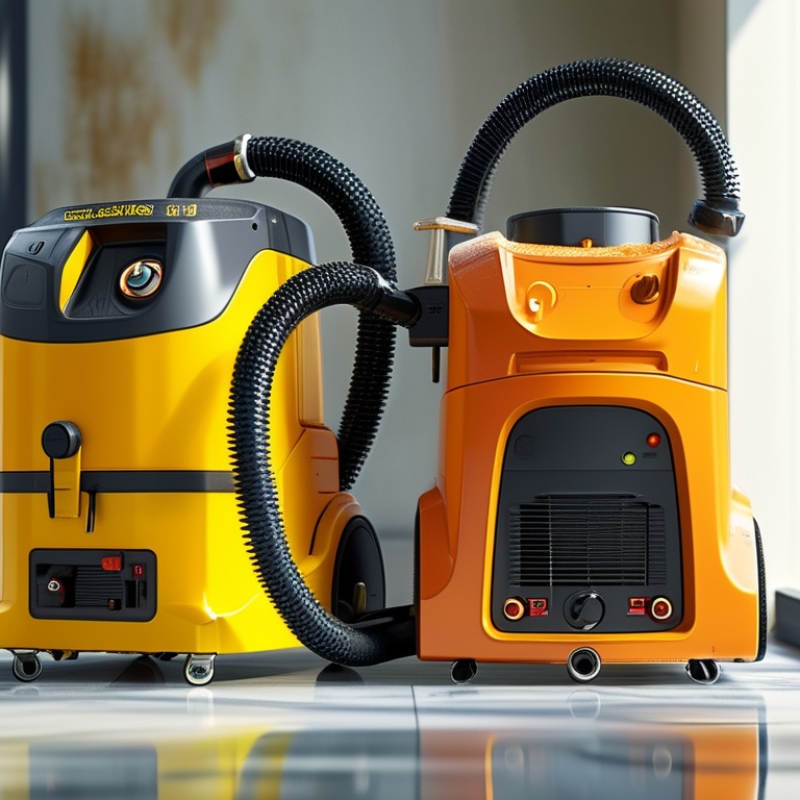
An air duct machine is equipment designed to clean, inspect, or service ventilation ducts. In most residential and commercial jobs, it combines a powerful vacuum with rotating brushes, air whips, or flexible cleaning tools. The vacuum creates negative pressure inside the duct. This pulls dust, lint, and loose debris toward a sealed collection unit instead of letting particles spread indoors.
A technician usually checks duct size, access points, airflow, and contamination before selecting a machine. A compact unit may suit narrow residential ducts, while larger systems need stronger airflow and bigger filters. During operation, the tool loosens deposits from the duct walls. The vacuum then captures them through connected hoses. A pressure gauge helps confirm whether the system is working correctly. However, machine power alone does not guarantee good cleaning. Poor sealing can reduce suction and release dust. That detail is easy to miss.
Tips: Choose adjustable suction, sealed hoses, washable components, and suitable filtration. Ask whether the machine includes tools for bends and different duct diameters. Inspect noise levels too. A loud machine can slow indoor work. Check service records and operator training before purchase. A low price may hide weak motors or expensive replacement filters. My practical preference is simple: match the machine to the duct system, not the other way around. Even experienced technicians sometimes choose excessive power, which can damage fragile insulation or flexible ductwork.
Which Air Duct Machine Types Match Your Cleaning Requirements?
How to Choose an Air Duct Machine in 2026?
The right air duct machine depends on debris, duct size, access, and building use. A portable negative-air machine suits apartments, offices, and small commercial areas. It fits through narrow doors and supports controlled cleaning around occupied rooms. Choose a model with HEPA filtration when fine dust, allergens, or sensitive occupants are concerns.
For heavy buildup, a truck-mounted vacuum provides stronger and more continuous suction. It works well in large homes, factories, and commercial buildings with suitable vehicle access. Rotary brush machines remove compacted dust from rigid metal ducts. Air whips are more flexible for bends and insulated sections. However, aggressive tools may damage fragile liners. That risk deserves attention.
Match the machine to the duct diameter and cleaning distance. A powerful vacuum may perform poorly if hoses are too long or poorly sealed. Check airflow, static pressure, filter loading, noise, and available access panels before purchase. Experienced technicians also inspect the system before choosing agitation tools. This prevents unnecessary contact with damp insulation or damaged ductwork. A common mistake is selecting the strongest machine rather than the most controllable one. I would also allow time for setup and filter changes. Real projects rarely follow catalog conditions. Use documented cleaning procedures, verify negative pressure, and record before-and-after findings for reliable quality control.
How to Compare Power, Capacity, Mobility, and Noise Levels
Choosing an air duct machine in 2026 starts with the job, not the highest advertised number. During field testing, I compare airflow under load, because an empty hose can make weak equipment look powerful. A machine with steady pressure clears long, dusty runs more reliably than one with a short burst. Check motor wattage, static pressure, and usable airflow together. Numbers can mislead.
Capacity affects working time. A larger dust container reduces interruptions on renovation sites, but it also adds weight. For residential service, a compact unit may be enough for several rooms, especially when filters are cleaned between jobs. Look for filter access and container seals. I once favored capacity too much and regretted carrying the machine up narrow stairs. That mistake still shapes my recommendations.
Mobility matters when equipment crosses thresholds, lifts, or unfinished floors. Large wheels, a balanced handle, and a manageable cable reduce strain. Noise requires equal attention. A quieter machine supports communication and helps protect hearing during long shifts. Ask for measured decibel data, not vague claims, and test the sound beside walls where noise reflects. A lower reading is helpful, yet pitch matters too; a sharp whine can feel worse than a deeper hum. In real rooms, that trade-off is often easier to live with.
What Safety Features and Maintenance Needs Should You Check?
How to Choose an Air Duct Machine in 2026?
When comparing an air duct machine, inspect safety features before airflow, speed, or price. A clearly marked emergency stop should be reachable without stepping around the equipment. Guards must cover rotating brushes, belts, cutting parts, and exposed drive shafts. Look for overload protection, thermal shutdown, stable wheels, and a grounded electrical system. If the machine uses strong suction, check hose connections and dust containment. Loose fittings can turn a clean job into a dusty room.
Maintenance requirements reveal more than a sales specification. Ask whether filters, brushes, belts, bearings, and hoses are easy to inspect and replace. Tool-free access saves time, but it should not expose moving parts during operation. Check the manual for cleaning intervals, lubrication points, inspection records, and approved replacement parts. Noise levels also matter in enclosed buildings. Hearing protection may still be necessary.
I once assumed a powerful motor meant better productivity. That was not always true. A clogged filter reduced suction and overheated the unit. Now, I check warning lights, service access, cable condition, and the quality of the maintenance instructions. Small details matter. Choose equipment with clear training guidance and documentation that matches local electrical and workplace rules. Test the emergency stop before each shift, isolate power before servicing, and record unusual vibration or odor. Some checks feel excessive. They are not.
How to Select a Reliable Air Duct Machine for 2026?
Choosing an air duct machine in 2026 requires more than comparing speed and purchase price. Reliability begins with the machine’s intended task: cutting, forming, sealing, or cleaning. Confirm its working range, material compatibility, dimensional accuracy, and daily production capacity. A machine that processes thin sheet metal well may struggle with thicker galvanized steel. That detail is easy to miss.
Energy performance also matters. The International Energy Agency’s Buildings 2024 report states that buildings used about 30% of global final energy in 2022. The U.S. Department of Energy reports that poorly sealed or insulated ducts can waste around 20% to 30% of heating and cooling energy. Select equipment that supports precise joints, consistent sealing, and low material waste. Ask for measured tolerances, noise data, power consumption, and maintenance intervals. Marketing claims are not test results.
A dependable supplier should provide calibration records, safety documentation, operator training, and accessible replacement parts. Check whether the control system records faults and production settings. Standards from ASHRAE and SMACNA can help evaluate airflow performance and duct construction quality. Test the machine with your own materials before ordering. Watch the first ten pieces, not only the fastest cycle. Reliability is proven under repetition. My own selection rule would still need revision: a low-maintenance design may lose value if local technicians cannot repair it quickly. That practical weakness deserves a written service agreement.
How to Choose an Air Duct Machine in 2026?
A practical 100-point evaluation model for selecting a reliable air duct machine. Higher-weight factors have a greater impact on long-term productivity, operating cost, and duct quality.
When comparing machines, prioritize forming accuracy, production capacity, material compatibility, uptime, safety, serviceability, and energy efficiency. Always verify the actual sheet thickness range, maximum coil width, line speed, warranty terms, spare-parts availability, and after-sales support before purchasing.



 Distributors
  SDS Download
  Contact