
Partner Login
Enter your username and password here on order to log in on the partner portal:
No registered partner yet?
Register nowChoosing the right M8 Fisheye Lens requires more than checking its focal length. “M8” may describe an 8mm focal length, an M8 camera mount, or a product-specific label. Confirm the meaning before comparing specifications. A small naming error can produce an unusable lens.
The market also demands careful evaluation. CIPA’s 2024 Camera and Imaging Products Market Statistics show continued demand for interchangeable-lens cameras, despite strong smartphone competition. That trend makes optical performance and system compatibility increasingly important. IMATEST’s published lens-testing guidance emphasizes measurable factors such as sharpness, distortion, chromatic aberration, and shading. These factors matter when curved horizons, bright windows, or detailed architectural lines appear in one frame. Real-world testing still matters.
This guide presents eight practical tips for selecting the best M8 Fisheye Lens. It examines image circle coverage, sensor format, mounting accuracy, aperture, focus control, flare resistance, distortion behavior, and build quality. It also considers working distance and post-processing requirements. A lens that looks impressive on a specification sheet may perform poorly under hard sunlight. That happens.
Expect trade-offs. Wider coverage can increase edge stretching. A faster aperture may add weight and cost. Compact designs can sacrifice corner clarity. Before buying, compare independent test charts with sample images from your camera body. Check the corners at full resolution. Read the return policy, too. No single M8 Fisheye Lens suits every creator, camera system, or shooting environment.
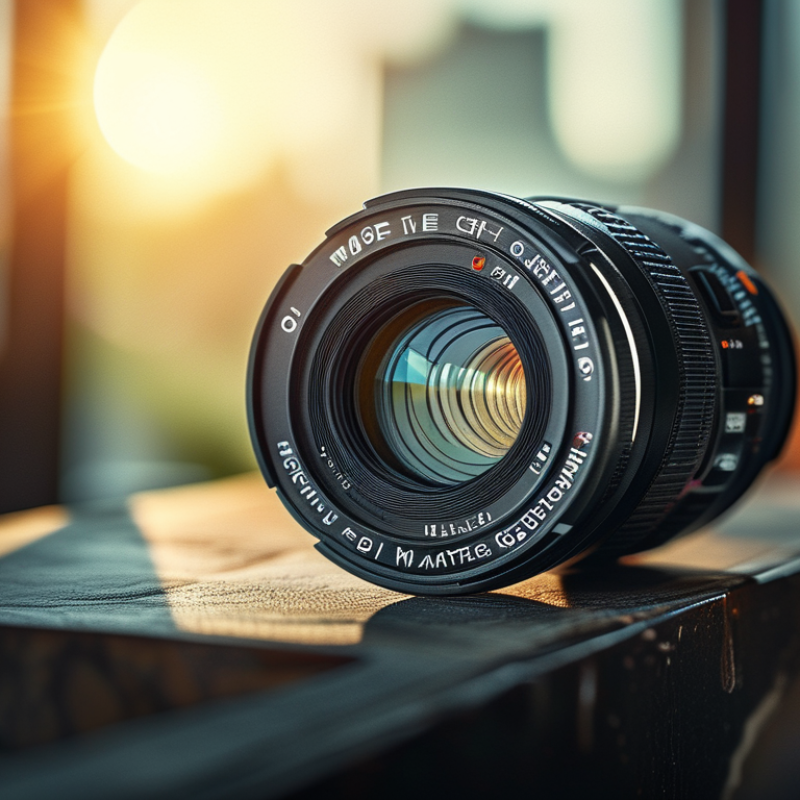
Before comparing lenses, define how your M8 camera will be used. Will it capture narrow interiors, action scenes, or full circular images? The 2024 CIPA camera shipment report recorded about 8.49 million digital cameras shipped worldwide. This growth reflects stronger demand for specialized imaging tools, but popularity does not replace careful testing.
Professional evaluation reports commonly use ISO 12233-style resolution targets to compare sharpness. Use that method, but do not trust charts alone. Real scenes reveal more.
Remember the practical compromise: the widest view is not always the most useful view. A slightly narrower lens may deliver cleaner corners, easier composition, and fewer corrections.
8 Tips for Choosing the Best M8 Fisheye Lens
When choosing an M8 fisheye lens, compare more than its advertised focal length. A shorter focal length usually creates a wider viewing angle, but the result depends on the camera sensor. A lens may cover a full circular image or produce a rectangular frame with strong corner distortion. Check the image circle carefully. I once selected a lens by focal length alone, and the corners became unusably dark.
Tip 1:Match the lens to your sensor size.
Tip 2:Confirm the real viewing angle. A claimed 180-degree angle may apply only to a specific sensor and direction. Horizontal, vertical, and diagonal coverage can differ greatly. For indoor monitoring, a wide diagonal view may miss important detail near the floor. For compact inspection cameras, controlled coverage can matter more than maximum width.
Tip 3:Measure image coverage at the actual working distance. Place a ruler, doorway, or calibration grid in the scene. Record how much area appears from edge to edge.
Tip 4:Inspect distortion before purchase. Fisheye bending is expected, but uneven stretching can reduce measurement accuracy.
Tip 5:Check whether the lens supports the camera’s aperture and mounting depth. Small errors matter. My early test ignored focus position, so the center looked sharp while distant edges softened. Repeat the test in real lighting, not only under bright laboratory conditions.
Choosing the best M8 fisheye lens begins with the mount. Tip one: confirm the camera’s mount type and flange distance. A small mismatch can prevent focusing. Tip two: check whether the lens locks firmly without excessive play. Tip three: inspect adapter quality if native mounting is unavailable. A loose adapter can shift the optical axis. Tip four: verify electronic contact support, if your camera needs it.
Sensor size changes the image dramatically. Tip five: match the lens image circle to your sensor. A full-frame design may behave differently on a smaller sensor. Corners can crop, and the viewing angle may narrow. Tip six: look for sample images from the same sensor format. Product charts are useful, but real edges reveal more. I once trusted a specification alone and underestimated corner softness. That was avoidable.
Manual controls matter in fast-moving scenes. Tip seven: choose a clear focus ring with readable distance marks. Fisheye lenses often use zone focusing, especially outdoors. Tip eight: check the aperture ring for smooth, precise clicks. Manual exposure can feel slow at first. It becomes predictable with practice. Also examine the minimum focus distance, barrel markings, and filter limitations. A compact lens may seem convenient, yet cramped rings can be frustrating with cold fingers. Test the controls before relying on the lens for architecture, interiors, or night work.
Check mount compatibility, sensor fit, and manual controls before comparing optical features. The chart shows approximate active-area diagonals for common sensor formats, helping you estimate whether an M8 fisheye lens can cover the sensor without excessive corner shading.
Sensor dimensions are approximate active-area values commonly used for optical compatibility checks; actual dimensions can vary slightly between camera modules.
Choosing the best M8 fisheye lens requires more than chasing the widest angle. Optical quality should be checked through MTF charts, corner sharpness, flare resistance, and chromatic aberration. ISO 12233 recommends standardized resolution testing, while Imatest reports commonly use MTF50 to compare perceived detail. Look for consistent results across the frame, not only impressive center sharpness. Fisheye distortion is intentional, but uneven stretching can make architecture look careless.
Build quality matters in real shooting conditions. A metal barrel can improve durability, yet it may add noticeable weight during long walks. Check the focus ring, mount tolerance, filter design, and weather sealing. IEC 60529 classifies protection through IP ratings, but an advertised rating does not guarantee safety after impact or poor maintenance. Sometimes, a lighter lens is the better professional choice.
Size affects handling on a compact M8 body. A protruding front element can collect fingerprints quickly. Carry a soft cloth. In bright streets, test flare near the sun; indoors, examine edge brightness at wide apertures. The European Machine Vision Association notes that lighting strongly influences measured image quality, so laboratory charts cannot replace field testing. I would also shoot brick walls, door frames, and moving subjects. The results may disappoint. That is useful evidence. CIPA’s 2024 camera shipment report recorded about 8.5 million digital cameras worldwide, showing a large market, but popularity cannot prove one lens fits every shooting condition.
Choosing the best M8 fisheye lens requires more than chasing the lowest price. Tip one: compare the complete purchase cost, including adapters, caps, and protective filters. Tip two: inspect the included accessories. A useful pouch and secure lens caps can prevent avoidable damage. Small expenses add up.
Tip three: match the lens to your shooting habits. Occasional interior work may not justify premium construction. Tip four: study sample images for corner sharpness, flare, and uneven focus. Tip five: check the focus ring before buying. It should turn smoothly, without grit or excessive resistance. Keep it practical. Tip six: consider weight carefully. A metal body may feel durable, but it becomes tiring during long travel sessions.
Tip seven: investigate mount accuracy, cleaning guidance, and replacement parts. Clear specifications and responsive support suggest dependable service, although they cannot guarantee perfect performance. Tip eight: judge long-term value, not just the initial price. Consistent sharpness, durable mechanics, and widely available accessories may save money over several years. Test the lens on your camera before an important assignment, if possible. I once underestimated filter costs and regretted the decision. That mistake still shapes my checklist. Leave room for limitations: curved lines are part of fisheye photography, but poor alignment is not.