How to Choose the Right Steel C Channel Sizes for Your Project?
Choosing the right Steel C Channel Sizes is crucial for any construction or fabrication project. The dimensions and specifications of these channels directly impact the strength and durability of the structure. Understanding how to select the appropriate size requires careful consideration of several factors, including load-bearing capacity, project requirements, and environmental conditions.
Steel C channels are versatile components widely used in various applications. They can support heavy loads and withstand harsh conditions. However, many people overlook their significance. The wrong size can lead to structural failures, making proper selection essential. Often, the choice revolves around personal experience and the specific needs of the project.
It’s not merely about picking a standard size. Effective project planning involves calculations and insights into industry standards. Choosing between different Steel C Channel Sizes can be challenging. Reflection on past experiences can aid in making informed decisions. Each project is unique, and considering all variables is vital for success.
Understanding Steel C Channel Basics and Applications
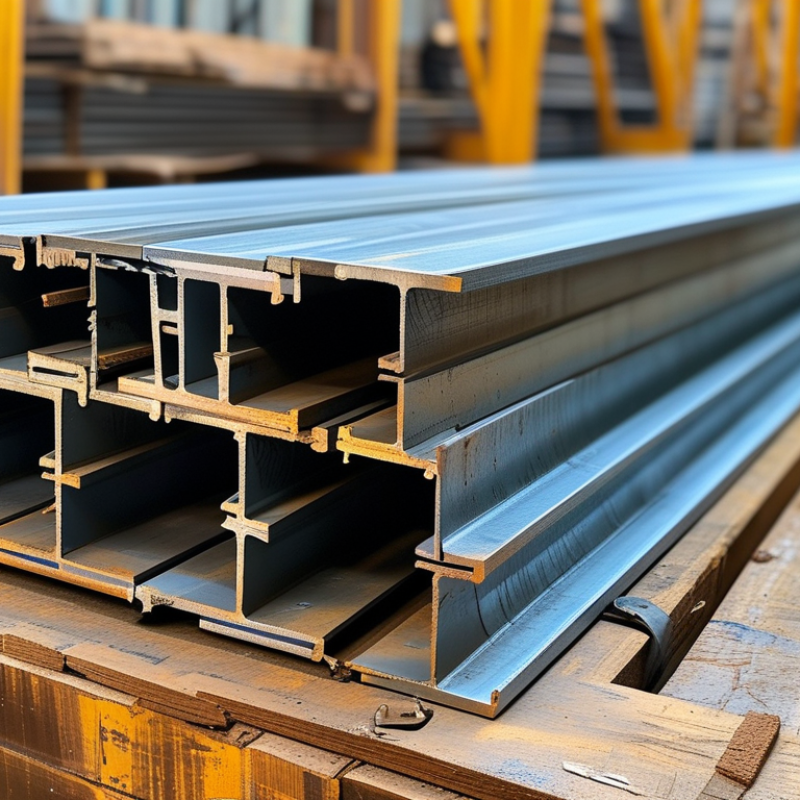
Steel C channels are essential in construction and engineering projects. Their design allows for versatile applications. Understanding the basics is crucial for effective use in any project. C channels offer strength while maintaining a lightweight profile. This combination makes them popular in various structural applications.
When selecting C channel sizes, consider load requirements and applicable building codes. Each project may have unique demands. It’s important to match channel dimensions with the specific structural needs. Common measurements include height, width, and thickness. However, miscalculation can lead to structural failures. Consulting with experts can help avoid such pitfalls.
Many builders might overlook the importance of corrosion resistance. Not all steel channels are treated the same. This oversight can affect longevity and safety. Opting for galvanized options may add extra protection. This choice, however, may also raise the cost. Weighing benefits against budget constraints is vital.
Key Factors to Consider When Selecting C Channel Sizes
Selecting the right steel C channel sizes is crucial for any construction project. Various factors influence this decision beyond simple dimensions. Structural load capacity is critical. According to data from the American Institute of Steel Construction, C channels have specific load limits based on their size and shape. Understanding these limits prevents costly errors during the build.
Another factor is the environment where the C channels will be used. Locations exposed to moisture may require treated steel. The Environmental Protection Agency notes that untreated steel can corrode quickly, reducing lifespan and requiring replacements. Evaluating the long-term impact of environmental conditions is essential in your selection process.
The weight of the C channel impacts both handling and installation. Lighter channels can ease labor costs but may require additional support. The difference in weights can be surprising. A C channel measuring 10 feet can weigh between 20 to 50 pounds depending on the size. Balancing weight, strength, and support needs is key to selecting suitable channels for your project. Thoughtful consideration of these factors ensures safe and efficient construction.
Calculating Load Requirements for Your Project
Calculating load requirements is crucial when selecting steel C channel sizes. Start by assessing the weight your project will support. This includes materials, equipment, and any additional live loads. For example, a steel framework for a small warehouse must accommodate shelves filled with products.
Next, consider the dimensions. C channels come in various heights and flange widths. A larger channel can support heavier loads but may also weigh more, making transportation a challenge. Strike a balance between size and weight to optimize structural integrity and cost.
Finally, don't overlook the environmental factors. Heat, moisture, or potential chemical exposure can affect the chosen steel's performance. It's essential to evaluate all these aspects thoroughly. Remember, a wrong calculation can lead to costly mistakes down the road.
Choosing the Right Steel C Channel Sizes - Load Requirements Analysis
Common Steel C Channel Sizes and Their Uses
When selecting steel C channel sizes, understanding common dimensions and their applications is crucial. C channels come in various sizes, typically ranging from 1.5 inches to 12 inches in depth. For instance, a 3-inch C channel is often used in light structural applications, while a 12-inch version supports heavy loads. According to the Steel Construction Institute, these channels can handle significant loads, with a 10-inch channel capable of supporting a span of 20 feet under certain conditions.
The choice of size influences both strength and weight. A smaller channel may be suitable for non-load-bearing walls, but it might not provide the necessary support for larger structures. A report from the American Institute of Steel Construction noted that using the right size can increase a project’s safety and durability. Additionally, compatibility with existing materials should be considered to avoid costly adjustments.
Some projects may require custom-sized C channels. While standard sizes are readily available, custom options can address specific engineering needs. Lack of proper sizing or consideration can lead to issues like structural failure, which affects long-term reliability. Seeking advice from structural engineers can mitigate these risks. Knowledge of both standard dimensions and project requirements is essential for successful outcomes.
Best Practices for Sourcing and Purchasing Steel C Channels
When sourcing steel C channels, it’s essential to understand market dynamics. According to industry data, demand for steel in construction rose by 5% in 2022. This surge stresses the importance of reliable suppliers. Evaluating suppliers based on their quality certifications and production capabilities can enhance project outcomes. Look for manufacturers that adhere to standards set by ASTM and ISO. Compliance ensures material reliability and performance, which are fundamental for any project.
Choosing the right size often depends on application specifics. Consulting design specifications and load requirements is crucial. Industry reports indicate that properly sized channels can increase structural integrity by over 30%. However, miscalculations can lead to potential weaknesses. Engaging with knowledgeable engineers or structural experts is advisable to avoid mistakes. It’s also wise to consider regional steel availability, as limitations may impact lead times and costs. Being aware of these nuances fosters informed purchasing decisions.



 Distributors
  SDS Download
  Contact