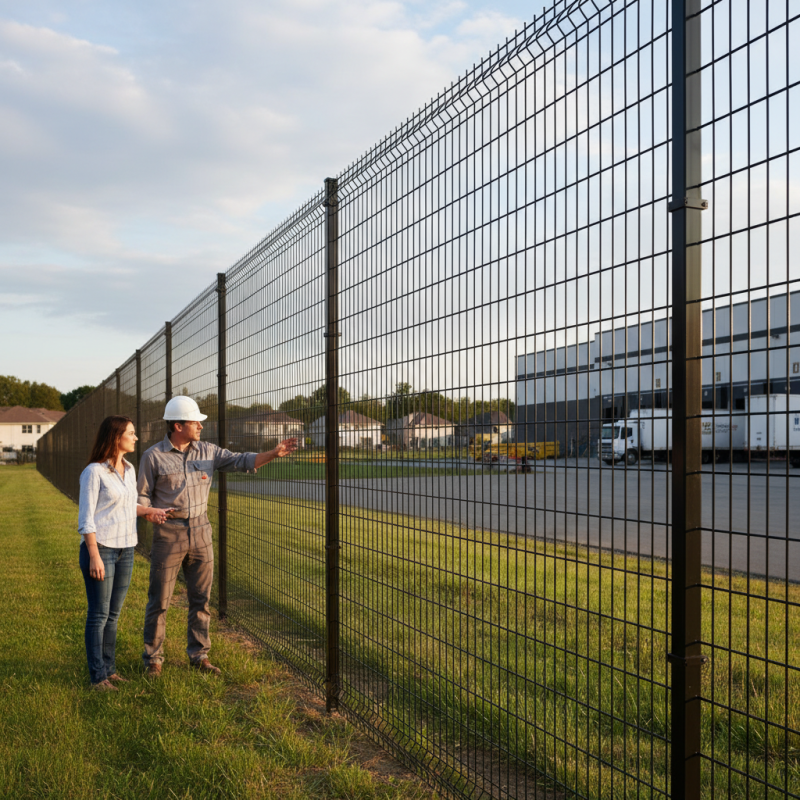
How to Choose the Best Steel Wire Mesh Fencing for Your Needs?
Choosing the right steel wire mesh fencing can be challenging. Many factors must be considered to meet specific needs. According to John Smith, a leading expert in the fencing industry, "The key to a successful fencing choice lies in understanding your unique requirements."
steel wire mesh fencing is robust and versatile. It can provide security for commercial properties, as well as residential areas. However, not all fences are created equal. Different applications demand different specifications. For instance, thickness, coating, and mesh size play a vital role in performance.
While steel wire mesh fencing boasts durability, it also requires maintenance. Rust can develop if not properly treated. The decision process might feel overwhelming for some. Mistakes can happen, and sometimes, what seems ideal may not be effective in practice. It's crucial to weigh both benefits and drawbacks to find the perfect fit for your needs.
Understanding the Different Types of Steel Wire Mesh Fencing
When selecting steel wire mesh fencing, it’s crucial to understand the different types available. There are welded wire mesh and woven wire mesh, each offering unique benefits. Welded mesh is strong and durable, ideal for security needs. It provides a solid barrier against intruders. On the other hand, woven wire mesh offers flexibility and ease of installation. It's commonly used for agricultural purposes.
Tips: Think about your specific requirements. Do you need high security or simple containment? Also, consider the area where the fencing will be installed. A strong mesh might be necessary for high-traffic areas. However, a lighter mesh could suffice for decorative purposes.
Another aspect to review is the gauge of the wire. Thicker wires provide more strength. But they can be heavier and harder to work with. Sketch out your fencing plan to visualize the space and requirements. You may find some areas need a heavier gauge while others can be lighter. Reflect on your choices before purchasing; are you prioritizing strength over flexibility?
Evaluating the Purpose and Location for Your Fence Installation
Choosing the right steel wire mesh fencing starts with understanding its purpose. Are you protecting a garden, securing a property, or containing animals? Each use case requires different specifications. For example, a garden fence might need a lower height, while a security fence should be taller and sturdier. Think about your specific needs.
Location also plays a critical role. Consider your environment. Is the area prone to natural elements like heavy winds or flooding? Your fencing must withstand these challenges. In urban settings, the aesthetic appeal of the mesh might be just as important as its durability.
Tips:
Evaluate the soil type before installation. Some ground conditions may require additional support for your fence.
Check local weather patterns. This knowledge helps in choosing a material that will endure tough elements.
Reflect on the visibility. If you want to keep your view, opt for a more open mesh design.
Key Features to Consider When Selecting Steel Wire Mesh Fencing
When selecting steel wire mesh fencing, it's crucial to consider its key features. The gauge of the wire determines durability. Thicker wire provides better strength but can cost more. Mesh size also plays a role; smaller openings offer greater security. However, this can limit visibility and airflow. Weighing these factors is essential for effective decision-making.
Another important feature is the coating. Galvanized steel resists rust and corrosion. PVC-coated options add extra protection from the elements. These coatings can vary in resilience. It's wise to explore how well they will hold up in your local climate.
Ease of installation is often overlooked. Some fencing comes in panels, making it quicker to set up. Others may require more complex assembly. Assess your skills and resources before commitment. A well-informed choice can lead to greater satisfaction, while a hasty decision could lead to regrets.
How to Choose the Best Steel Wire Mesh Fencing for Your Needs? - Key Features to Consider When Selecting Steel Wire Mesh Fencing
| Feature | Description | Importance |
| Material Quality | High tensile strength and corrosion resistance. | Critical for durability against weather elements. |
| Wire Gauge | Thickness of the wire used in mesh; lower gauge indicates thicker wire. | Determines strength and security level. |
| Mesh Size | The spacing between the wires; affects visibility and security. | Balance between security and visibility. |
| Coating Type | Galvanized, vinyl-coated, or powder-coated options. | Enhances longevity and aesthetics. |
| Height | Standard heights range from 3 to 10 feet. | Height impacts security and utility. |
| Installation Method | Different methods available; some require more tools and expertise. | Influences overall project cost and time. |
Assessing Strength and Durability for Long-Term Use
When selecting steel wire mesh fencing, assessing strength and durability is essential for long-term use. According to industry reports, the tensile strength of steel wire plays a crucial role in determining its overall performance. High-strength steel typically has a tensile strength of around 70,000 psi, which ensures resilience against forces such as wind and impacts from objects. Durability also hinges on the wire coating. Galvanization protects against corrosion and rust, extending the fence's life significantly. Data indicates that properly galvanized wire can last over 20 years even in harsh environments.
Tips: Check for the gauge of wire used. A lower gauge number means thicker wire, which usually translates to greater strength.
While strength is essential, evaluating the right mesh size is equally important. Larger openings may compromise security but allow better visibility. Adjusting mesh size according to your specific environment is key. A report suggests using 2-inch openings for residential needs to strike the right balance. However, it’s also vital to reflect on how changes in wildlife patterns may affect your fencing choices.
Tips: Always consider the installation environment's unique factors, such as soil stability and climate conditions.
Comparing Cost and Maintenance Requirements of Various Options
When considering steel wire mesh fencing, cost and maintenance are vital. Different materials can vary widely in price and longevity. For instance, galvanized steel tends to resist rust better than plain steel. However, it typically costs more upfront. Budget constraints might push you toward cheaper options, but this could lead to more frequent repairs.
Maintenance requirements also differ among choices. Some fencing needs regular painting or coating to prevent wear. Others, like vinyl-coated mesh, may require less upkeep. Think about the time and resources you can dedicate to maintenance. A lower cost option might sound attractive but could lead to more headaches later.
If you select a type that rusts, when will you notice? Reflect on potential long-term costs. Investing in higher quality now might prevent you from spending more down the line. But, never forget to weigh your options carefully. Getting quotes from various suppliers can provide valuable insights into what fits your needs and budget.



 Distributors
  SDS Download
  Contact