How to Choose the Best Print Inspection Systems for Your Needs?
In the fast-paced world of printing, ensuring quality is crucial. Print Inspection Systems play a vital role in maintaining high standards. According to industry reports, nearly 30% of print defects go unnoticed without proper inspection. This directly affects product quality and brand reputation. Advanced inspection systems help detect flaws during production. They reduce waste and enhance efficiency.
Moreover, the technology surrounding Print Inspection Systems is rapidly evolving. With the rise of automation, more businesses are adopting these systems. A recent survey indicates that over 60% of manufacturers see automation as essential for quality assurance. However, choosing the right system can be challenging. Each business has unique needs, and selecting an inadequate system can lead to costly errors.
Investing in Print Inspection Systems is a pivotal decision. Companies must evaluate their specific requirements carefully. Ignoring this step could result in missed opportunities for improvement and increased operational costs. Balancing budget constraints with technological capabilities is essential.
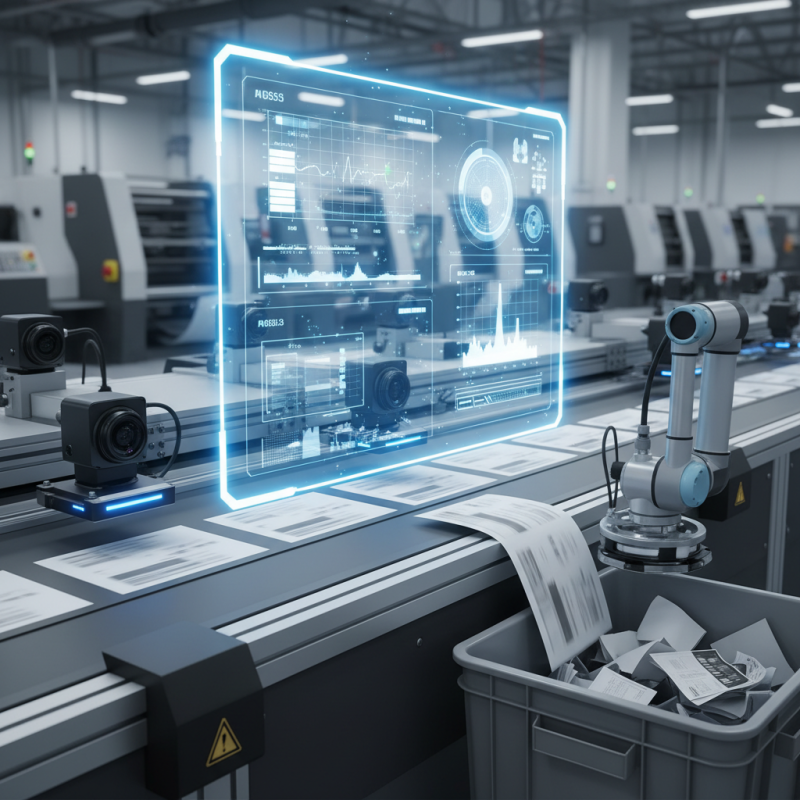
Understanding Print Inspection Systems and Their Importance
Print inspection systems play a crucial role in ensuring quality in various printing applications. They help detect errors and ensure that printed materials meet specific standards. These systems can identify issues such as color inconsistencies, misalignments, or missing elements. Understanding how they function can significantly impact your production efficiency.
When choosing a system, consider your specific needs. What type of materials do you print? Do you work with high volumes or low runs? Assess the complexity of your print jobs. This can help you better understand which features will be beneficial.
**Tips:** Look for systems that offer real-time monitoring. This can help you catch errors immediately. Evaluate the ease of integration with your existing workflow. A system that is hard to incorporate may add more problems than it solves.
Often, businesses overlook the need for regular maintenance. Regularly calibrating your system can enhance accuracy. You might also want to track system performance over time. This will help you make informed decisions in the future.
Key Features to Look for in Print Inspection Systems
When selecting a print inspection system, several key features must be considered. One crucial aspect is the resolution of the camera. Higher resolution allows for better detection of small defects. This can make a significant difference in quality control. Often, systems advertise high resolution but lack consistent performance. It's essential to test them in real-world conditions.
Another important feature is the speed of the inspection process. Systems need to keep pace with high-speed printing operations. If they lag behind, defects may go unnoticed. Many systems claim fast processing but may not be reliable. Evaluate how quickly they can adapt to changes in print speed.
Flexibility in software is equally important. Good systems allow customization to meet specific needs. User-friendly interfaces can reduce training time. However, some systems can be overly complex. It’s wise to ensure that the software remains intuitive, especially if multiple operators will use it. Reflecting on these points can lead to better decision-making when purchasing.
How to Choose the Best Print Inspection Systems for Your Needs? - Key Features to Look for in Print Inspection Systems
| Feature | Importance | Description | Considerations |
| Image Resolution | High | Determines the clarity of the inspected images. | Higher resolution can detect smaller defects. |
| Speed of Inspection | High | How quickly the system can analyze prints. | Must match production speed to be effective. |
| Software Capabilities | High | Features like defect classification and reporting. | Advanced analytics can improve quality control. |
| User Interface | Medium | Ease of use for operators. | Complex UIs can lead to operational errors. |
| Integration Capabilities | High | Ability to work with existing production systems. | Seamless integration reduces downtime. |
| Cost of Ownership | High | Total expense including maintenance and training. | Consider long-term savings vs. initial costs. |
| Support and Maintenance | Medium | Availability of technical support and service. | Prompt support can minimize production interruptions. |
Evaluating Technology Options for Print Inspection
Choosing the right print inspection technology is crucial for quality assurance. First, understand your specific needs. Consider the types of materials you print on. Different systems work best for different substrates. For example, labels may require different scrutiny compared to flexible packaging. Look for features that align with your workflow. High-speed systems might be essential for large production runs.
Evaluate various technologies available in the market. Check the resolution and accuracy of inspection systems. Often, high-definition cameras and software can detect minor defects. However, these systems can be complex and may require training to operate effectively. Some users find the learning curve steep. Also, consider integrating inspection systems with existing equipment. Compatibility can sometimes be an afterthought, leading to inefficiencies.
Cost is another factor to weigh. There are budget-friendly options, but they may lack advanced features. Be prepared for surprising limitations. An expensive system doesn’t always guarantee better results. Sometimes, the simpler solutions yield satisfactory outcomes. It’s important to assess what you truly need versus what is marketed as essential. Taking time to reflect on these aspects can lead to a more informed decision.
Assessing Reliability and Performance in Print Inspection Systems
When choosing a print inspection system, reliability is crucial. A robust system minimizes downtime and costly errors. High-quality components contribute to this reliability. It’s essential to evaluate the construction quality of the device. Look for systems that withstand various production environments. Each print job presents unique challenges; the right system should adapt and still deliver.
Performance is equally important. Systems must detect defects quickly and accurately. A high detection rate is essential for maintaining product quality. Yet, systems often have limitations. Some might miss certain types of defects, leading to potential losses. It's informative to review case studies and user experiences. Gathering feedback helps in making an informed decision. You must address any gaps in performance.
Lastly, integration with existing processes matters. The ideal system should enhance your workflow. However, implementation can sometimes be complex. Training staff to use new equipment may take time and resources. A smooth transition is often overlooked but is vital for success. Balancing these aspects requires careful consideration and adjustment. Only through reflection can one find the perfect fit.
Print Inspection Systems Performance Assessment
Cost Considerations and Budgeting for Print Inspection Solutions
When considering print inspection systems, budgeting is critical. It's not just about the initial purchase cost. Ongoing maintenance can add significant expenses. Consider how often you will require service and repairs. Some systems might seem affordable upfront but may cost more in the long run. Look for hidden fees. Software updates and training sessions can sneak up on budgets.
Evaluating your specific needs can help refine choices. Custom solutions can appear appealing, but they may require a larger investment. Assess whether a generic model might meet your requirements instead. Often, compromise can lead to substantial savings without sacrificing quality. Balance is crucial; a cheaper system might not catch all defects, leading to larger losses later.
Investing time into understanding the total cost of ownership is essential. Analyze how much efficiency the system can bring. Each error caught can save money. Allocate funds for unexpected expenses. Flexibility in budget planning can help accommodate unforeseen costs. Ultimately, thoughtful consideration of financial aspects will lead to better decision-making.



 Distributors
  SDS Download
  Contact