How to Choose the Right Damper Actuator for Your System?
Choosing the right Damper Actuator is crucial for system efficiency. The global damper actuator market is projected to grow significantly, reaching over $1 billion by 2026. This growth is driven by rising demands for energy-efficient HVAC systems in commercial buildings. Selecting a suitable damper actuator can ensure optimal airflow and temperature control, which leads to improved energy savings.
However, many system designers face challenges. They may struggle to understand actuator specifications, types, and their applications. This confusion can result in suboptimal performance. For instance, actuators come in different sizes, with varying torque ratings and responses to control signals. Using the wrong specifications might lead to system failures or increased operational costs.
When considering a damper actuator, it’s critical to evaluate the specific needs of the system. Factors like installation requirements, environmental conditions, and design integration play a vital role. A mismatch can lead to inefficiency. Therefore, proper evaluation and understanding of these components can prevent costly mistakes and enhance overall system performance.
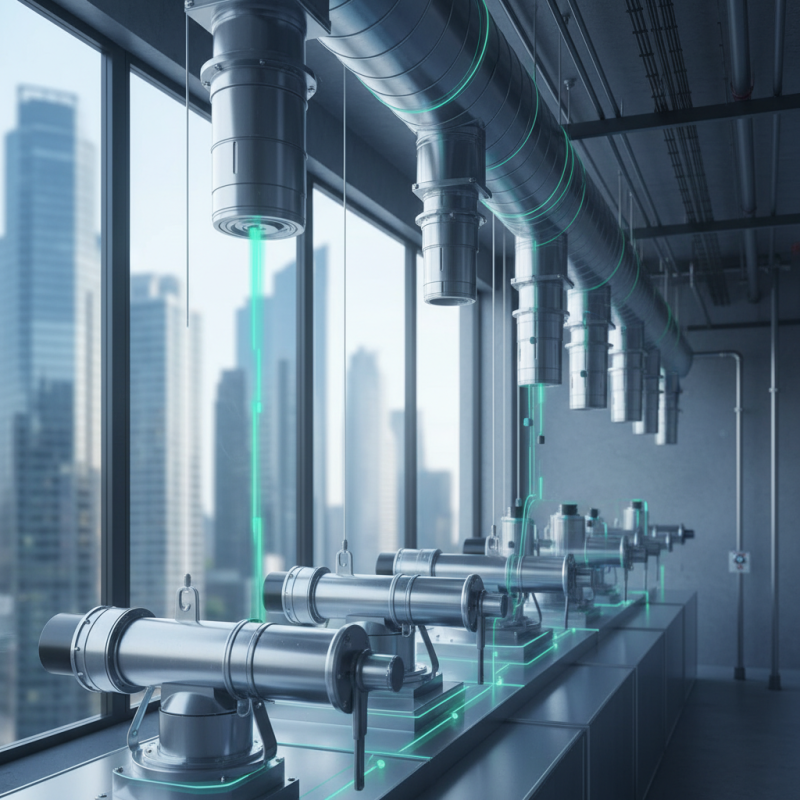
Understanding Damper Actuators: Types and Functions
Understanding damper actuators is crucial for optimizing your system's performance. These devices control dampers based on signals from a building management system. They play a key role in regulating airflow, temperature, and humidity levels. There are several types of damper actuators, each suited for different applications.
Electric actuators are popular for their precision and reliability. They provide quick response times and can adjust dampers very accurately. On the other hand, pneumatic actuators may offer a simpler design but can lag in performance. Choosing the right type depends on your specific needs. You have to weigh factors like response time, installation complexity, and maintenance requirements.
**Tips:** When selecting an actuator, consider the environment. Humidity, temperature extremes, and dust can impact performance. Also, think about future upgrades. Opt for a versatile actuator that can adapt to new technologies. Lastly, ensure clear communication between the actuator and the control system to avoid mismatch issues. An installation gone wrong could lead to inefficiencies, so always double-check your choices.
How to Choose the Right Damper Actuator for Your System? - Understanding Damper Actuators: Types and Functions
| Type of Damper Actuator | Function | Application | Control Signal | Torque Rating |
| Electric Damper Actuator | Controls airflow automatically based on signals | HVAC systems, industrial ventilation | 0-10V, Modulating | 30 Nm |
| Pneumatic Damper Actuator | Operated with compressed air for precise control | Large industrial dampers, power plants | Air Pressure Signal | 50 Nm |
| Hydraulic Damper Actuator | Uses hydraulic fluid for efficient operation | Heavy-duty applications, offshore platforms | Fluid Pressure Signal | 100 Nm |
| Spring Return Actuator | Automatically returns to default position on signal loss | Fire/smoke dampers, emergency systems | On/Off Signal | 20 Nm |
Key Factors to Consider When Selecting Damper Actuators
Choosing the right damped actuator requires careful consideration of several key factors. One important aspect is the torque requirement. Each system has unique demands. Evaluating the maximum and minimum torque can help determine the right actuator type. Consider the application—does it need to adjust quickly, or can it operate slowly?
Another factor is the actuator's control method. Some systems may benefit from a modulating control, allowing for finer adjustments. Others might need simple on/off control. It is essential to assess the overall control strategy for your system. Power supply options also matter. Electric, pneumatic, or hydraulic actuators can all work differently based on the source of energy available.
Tips: Always review the operating environment. Extreme temperatures or humidity can affect performance. Check for compatibility with existing systems. Keep in mind that not every actuator will work seamlessly with all setups. It’s wise to leave room for adjustments afterward. Flexibility in your choice may prevent future headaches. Test before final installation if possible. This way, you can verify if the actuator meets your specifications effectively.
Performance Specifications: Torque Ratings and Speed Requirements
Choosing the right damper actuator for your system involves careful consideration of performance specifications. Torque ratings are critical. They determine how much force the actuator can apply to open or close a damper efficiently. Focus on the specific resistance of your damper. If the torque rating is too low, the actuator won't work effectively.
Speed requirements also play a vital role. The actuator should respond swiftly to system demands. This requirement varies by application. Some systems need rapid adjustments, while others can operate slowly. Evaluate the response time required for your setup. It often requires balancing between torque and speed. Overestimating either parameter can lead to inefficiencies.
Sometimes, systems underperform, indicating a mismatch in actuator specifications. In such cases, it’s essential to reassess both torque ratings and speed. Look for areas to improve. Don’t forget to consider environmental factors as well. Temperature changes can affect performance. Therefore, adaptability should be part of your evaluation. It’s crucial to ensure the selected actuator will meet your system's needs, even under varying conditions.
Compatibility: Ensuring Your Actuator Matches System Requirements
Choosing the right damper actuator involves understanding compatibility with your system's requirements. The required specifications can vary widely. Begin by assessing the control signals your system uses. Some systems operate on 0-10V signals, while others may use PWM or digital feedback. Knowing this helps ensure proper communication between components.
Next, consider physical dimensions. Actuators come in different sizes and shapes. One actuator may fit perfectly in one system but not in another. Check the mounting options as well. Misalignment can lead to inefficiencies or even failures. Pay attention to the torque rating, too. An actuator may appear compatible but may not handle the required load.
Lastly, assess the environmental conditions where the actuator will operate. Temperature and humidity levels can impact performance. Ensure the actuator is rated for your specific conditions. Sometimes, users overlook these factors, thinking they can adapt later. However, this could lead to unforeseen issues. Compatibility is not just about meeting specifications; it's about foreseeing potential obstacles in your setup.
Maintenance and Longevity: Choosing Actuators for Durability and Efficiency
Choosing actuators for a damper system involves considering both durability and efficiency. A robust design is essential for long-term reliability. Look for materials that resist corrosion. For instance, stainless steel is a strong candidate for outdoor applications. This ensures that even in harsh weather, the actuator remains functional.
Maintenance strategies also play a vital role in actuator longevity. Regular inspections can prevent unexpected failures. Simple tasks like checking for wear and tear can save costs later. Yet, many systems overlook this. Instead, they react only when problems arise. This reactive approach often leads to downtime and increases repair costs.
Another aspect is energy efficiency. The right actuator can reduce energy consumption significantly. For example, choosing the correct size and type can minimize operational strain. However, some systems still use oversized actuators. This leads to inefficiency and wasted resources. Balancing size and performance requires careful thought and sometimes, uncomfortable adjustments.



 Distributors
  SDS Download
  Contact