Why Choose a Coding Printer Machine for Efficient Labeling?
In today’s fast-paced industrial landscape, the significance of a Coding Printer Machine cannot be overstated. Expert Tony Marshall, a seasoned professional in industrial printing solutions, states, "Efficiency and precision in labeling are non-negotiable." This sentiment resonates strongly with businesses striving for accuracy and speed in their labeling processes.
A Coding Printer Machine serves as a critical tool for manufacturers and distributors alike. These machines provide clear and enduring labels, ensuring each product meets regulatory standards. The rise of automated technologies has made these printers essential for maintaining competitiveness. They reduce human error and enhance operational workflows.
Adopting a Coding Printer Machine is more than just a trend; it's a proactive step toward efficiency. Organizations can improve their branding and customer satisfaction through consistent, high-quality labels. But, while these machines may streamline processes, the choice of the right equipment requires careful consideration. Factors such as print quality, speed, and maintenance should guide the selection process.
Understanding the Basics of Coding Printer Machines
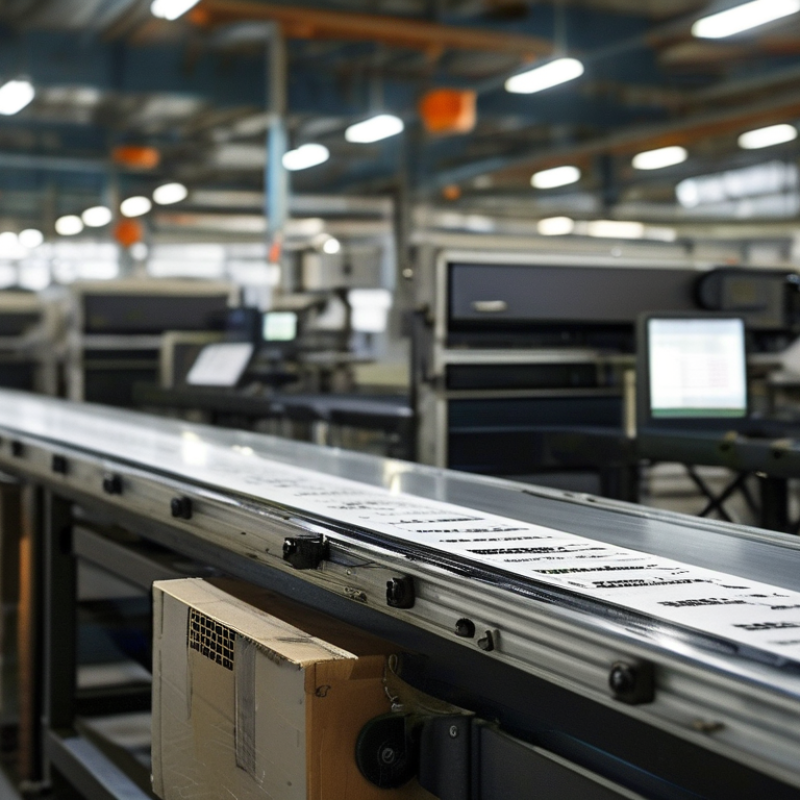
Coding printer machines play a crucial role in the labeling process across various industries. These machines are designed to print information directly onto products or packaging. According to a report by Smithers Pira, the coding and marking market is projected to reach $4 billion by 2025. This growth indicates the increasing need for efficient labeling solutions.
Understanding the basics of coding printer machines is essential for businesses. They utilize technologies such as thermal transfer and inkjet printing. Thermal transfer printers use heat to transfer ink from a ribbon onto the substrate. In contrast, inkjet printers spray ink directly onto surfaces. Each type has its advantages and limitations. For example, thermal transfer provides durable prints, but it may struggle with glossy materials. Additionally, accuracy in printing can be a challenge. Variations in print head alignment can lead to misprinted labels.
Businesses often face the dilemma of choosing the right machine. Factors like print speed, resolution, and maintenance requirements play a key role. Reports have shown that companies can save up to 30% on operational costs by implementing efficient coding solutions. However, the initial investment can be substantial. Careful assessment of a company’s specific needs is vital to ensure a worthwhile purchase. Even with these advanced machines, ongoing training and upgrades can be necessary, adding to the complexity.
Why Choose a Coding Printer Machine for Efficient Labeling?
| Feature |
Description |
Benefits |
| Speed |
High printing speed suitable for bulk labeling |
Increases productivity and reduces downtime |
| Precision |
Accurate printing for detailed information |
Ensures quality labeling with minimal errors |
| Versatility |
Can print on various substrates like plastic, glass, and paper |
Offers flexibility for different packaging needs |
| Durability |
Robust design built for long-term use |
Reduces maintenance costs and extends service life |
| User-Friendliness |
Intuitive interface with easy operation |
Minimizes training time and enhances productivity |
Key Features of Efficient Labeling with Coding Printers
Coding printers have become essential for efficient labeling in various industries. Their ability to produce high-quality labels quickly streamlines operations. Reports show that companies using coding printers can reduce labeling errors by up to 25%. This reduction enhances overall productivity, allowing for smoother workflow and higher throughput.
Key features of coding printers include speed, precision, and versatility. Many machines can print labels at speeds exceeding 300 feet per minute. This capability is crucial for high-demand production lines. Precise printing ensures clear barcodes and text, which is vital for logistics and inventory management. Additionally, modern coding printers support a range of materials, making them adaptable for different applications.
However, some businesses may overlook maintenance needs. Regular upkeep is vital for consistent performance. A study revealed that poorly maintained printers could lead to a 15% increase in operational costs. This highlights the importance of ensuring that equipment is regularly serviced. While coding printers offer many advantages, ignoring maintenance can hinder efficiency and increase long-term expenses.
Advantages of Using Coding Printers in Various Industries
In various industries, coding printers serve as a vital tool for efficient labeling. These machines help businesses streamline operations by adding essential information such as expiration dates, batch codes, and barcodes directly onto products or packaging. Their ability to provide high-quality prints quickly is a game-changer. Automated labeling reduces human error and boosts productivity. This technology allows for greater accuracy in inventory management and traceability.
Moreover, businesses in food, pharmaceuticals, and cosmetics rely heavily on coding printers. They ensure compliance with industry regulations by delivering clear, legible information on labels. This clarity not only helps in building consumer trust but also meets safety standards. However, some users may overlook regular maintenance, which can hinder performance. This often leads to printing errors, requiring more time and resources to rectify.
Industry professionals recognize the importance of training staff on these machines. Workers should understand coding techniques and troubleshooting methods to maximize efficiency. While coding printers offer numerous advantages, the commitment to ongoing education and maintenance is crucial. Investing in quality coding technology without proper oversight can lead to inconsistencies and waste. It's vital to balance technology use with careful management for optimal results.
Comparative Analysis: Coding Printers vs. Traditional Labeling Methods
The choice between coding printers and traditional labeling methods significantly impacts efficiency in production lines. Coding printers offer precision and versatility. They can produce high-quality prints, including barcodes and variable data, without the need for pre-printed labels. This flexibility reduces waste and streamlines operations, as businesses can print labels on-demand.
Traditional labeling methods often require large inventories of pre-printed labels. This not only ties up capital but also incurs the risk of obsolescence. Mistakes in label design or data can lead to costly reprints. Additionally, the manual application of labels can result in inconsistencies. Errors may slip through quality control, leading to confusion and lost time in the production process.
While coding printers have their advantages, they may initially seem more expensive. Companies must assess long-term benefits against the upfront costs. Not every business may fully utilize the capabilities of a coding printer. It’s essential to evaluate specific needs before making decisions. A misalignment between the technology and production requirements can lead to underperformance. Balancing efficiency and practicality requires thoughtful consideration.
Choosing the Right Coding Printer Machine for Your Needs
Choosing the right coding printer machine can greatly impact your labeling efficiency. First, assess your specific needs. Consider the type of products you label. Different industries have unique requirements. For instance, food packaging may require waterproof and smudge-proof labels. A printer that excels in one area may fall short in another.
Evaluate your production volume as well. High-output environments need machines that can handle continuous operation. Look for features such as speed and connectivity options. A wireless connection can streamline your workflow. Think about how easy it is to replace consumables. A complicated process can slow your operations down.
Additionally, investigate the user interface. A more intuitive design can save time during setup and adjustments. Sometimes, machines with advanced features can be overwhelming for new users. Take time to train your team on the new equipment. Think about maintenance, too. A reliable machine is less effective if it needs frequent repairs. Reflect on your long-term needs as your business grows. Balancing costs with capabilities is crucial in making the right choice.
Efficiency of Coding Printer Machines in Labeling
This chart illustrates the efficiency of different types of coding printer machines based on their average output per hour and accuracy rate in labeling tasks.



 Distributors
  SDS Download
  Contact