How to Choose the Best Flotation Equipment for Your Needs?
Selecting the right Flotation Equipment is crucial for operations in various industries, including mining and wastewater treatment. According to a recent report by MarketsandMarkets, the global flotation equipment market is projected to grow significantly, driven by advancements in technology and increasing demand for mineral processing. This growth underscores the importance of making informed choices when it comes to flotation equipment.
Considering the variety of flotation technologies available, it can be overwhelming to choose. Each type serves a specific purpose, from mineral separation to chemical recovery. A study from ResearchAndMarkets reveals that inadequate flotation equipment can lead to lower recovery rates, impacting overall efficiency and profitability. Therefore, understanding your specific operational needs is essential in selecting the best flotation equipment.
Many decision-makers often overlook the intricacies involved in this process. They might focus solely on cost or brand reputation, neglecting factors like equipment compatibility and operational requirements. This oversight can result in suboptimal performance and increased operational costs. In this complex landscape, thorough research and expert advice can guide you towards making a decision that aligns with both your immediate needs and long-term goals.
Understanding the Basics of Flotation Equipment and Its Applications
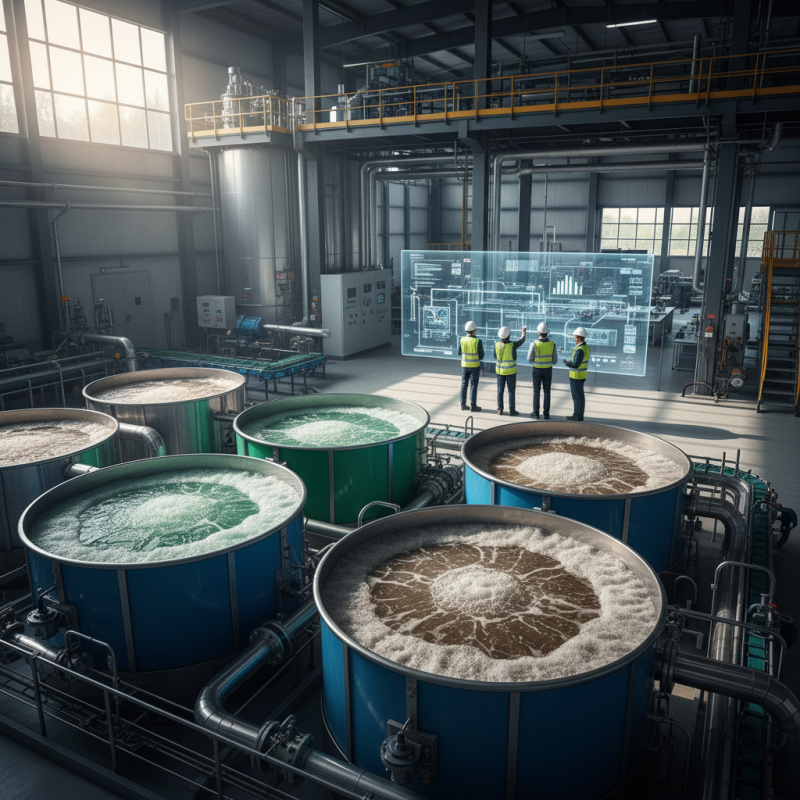
Flotation equipment plays a crucial role in separating materials based on differences in their physical and chemical properties. Understanding how these machines operate can significantly enhance your selection process. The basic principle involves creating bubbles that attach to particles, allowing them to rise to the surface for easy collection. Knowing the types of flotation equipment available can help you make an informed choice.
When choosing flotation equipment, consider your specific needs. Do you require a high-throughput system, or is precision more critical? Assess the material you’ll be working with and the desired purity levels. Each application demands different features. For instance, some industries may prioritize energy efficiency, while others may focus on processing faster.
Tips: Evaluate the scale of your operation. A small-scale need might not justify a large, complex setup. Conversely, a larger scale could benefit from advanced flotation technology. Also, contemplate maintenance requirements. Regular upkeep is essential for optimal performance. Research common issues associated with particular equipment types. This can save time and prevent unexpected costs. Finding reliable sources for equipment insights can be challenging, but it's essential for making a wise investment.
How to Choose the Best Flotation Equipment for Your Needs?
| Equipment Type | Application | Capacity (m³/h) | Power (kW) | Price Range ($) |
| Dissolved Air Flotation (DAF) | Industrial Wastewater Treatment | 5-500 | 10-50 | 5,000 - 50,000 |
| Mechanical Flotation Cell | Mineral Processing | 30-300 | 15-200 | 10,000 - 100,000 |
| Column Flotation | Coal and Mineral Processing | 20-200 | 10-150 | 15,000 - 80,000 |
| Induced Gas Flotation (IGF) | Oil and Gas Separation | 10-100 | 20-80 | 8,000 - 40,000 |
Identifying Your Specific Needs and Requirements for Flotation Equipment
When selecting flotation equipment, understanding your specific needs is crucial. Different applications require varying types of flotation systems. Consider the type of material you are working with and its density. This knowledge will guide you in choosing the most efficient equipment.
Tips: Identify your primary goal. Are you aiming for separation efficiency, recovery rate, or cost-effectiveness? Each goal influences the choice of equipment. Take time to define your objectives.
It's essential to evaluate the scale of your operations. Smaller projects may not need large, industrial-grade machinery. Conversely, larger projects require robust systems with high capacity. Reflect on your current resources and future needs. Adjust your equipment choices accordingly.
Tips: Analyze the workspace. Will there be space for maintenance? Can you spare the downtime for installation? These practical considerations impact your decision. Make a checklist to ensure all aspects are covered before committing.
Evaluating Different Types of Flotation Equipment Available on the Market
When evaluating different types of flotation equipment, it’s essential to consider your specific needs. There are various models available, each designed for unique applications. Some units excel in mineral processing, while others are tailored for industrial waste treatment. Understanding these categories will help you narrow your options.
One crucial aspect is the size and capacity of the equipment. Small operations may benefit from compact units that are easy to handle. On the other hand, large-scale operations require more robust and efficient models. Additionally, the technology involved can vary. Some systems use traditional methods, while others incorporate advanced aeration techniques. Each type has its strengths and weaknesses, which warrants careful consideration.
Another factor often overlooked is maintenance. Regular upkeep is necessary for optimal performance. Some flotation equipment requires more frequent maintenance, which can be a burden. It’s vital to weigh this against your operational capabilities. Cost is another area needing reflection. Some models come with a high upfront cost but may save money in the long run through efficiency. However, that initial investment can be daunting. As you assess different options, balance these elements with your operational goals to find the right fit.
Comparison of Different Types of Flotation Equipment
Comparing Factors: Cost, Efficiency, and Maintenance of Flotation Systems
Choosing the right flotation equipment involves careful consideration of cost, efficiency, and maintenance. According to industry reports, operational costs can amount to 30% of the total investment. A thorough analysis of ongoing expenses is vital. Consider aspects like energy consumption and replacement parts. These factors can significantly impact your budget over time.
Efficiency is not uniform across flotation systems. Recent studies highlight that advanced systems can achieve recovery rates exceeding 90%. However, basic models may only deliver around 70%. Balancing your needs with available technology can lead to better outcomes. Understand what level of efficiency you require for your specific operations.
Tip: Conduct a regular maintenance schedule. It helps improve the longevity of flotation equipment. A small investment in maintenance can prevent costly repairs.
Tip: Keep an eye on wear and tear. Identifying issues early on can save money. Many operators overlook the importance of monitoring equipment health.
Choosing the best flotation equipment is a nuanced process. Matching cost, efficiency, and maintenance needs is crucial for optimal performance. The right combination can lead to increased productivity and, ultimately, profitability. Aim for solutions that offer both immediate benefits and long-term sustainability.
Making an Informed Decision: Best Practices for Selecting Flotation Equipment
Choosing the right flotation equipment is crucial for optimal performance. Each application varies, making it essential to address specific needs. For example, a recent industry report from the International Journal of Mineral Processing reveals that choosing the wrong flotation cell can lead to a 30% decrease in recovery rates. This loss can significantly impact overall efficiency and profitability.
When selecting flotation equipment, consider factors like ore type, size distribution, and desired recovery rates. Make sure to analyze previous performance data of similar setups. Incorporating advanced technologies can enhance outcomes, but reliability over time is key. Test results from various installations can provide a clearer picture of what to expect.
Tips: Always review maintenance records. This can indicate potential issues and longevity of the equipment. Collect feedback from operators to assess usability. A well-informed choice can minimize unexpected downtime and costs. Remember, the cheapest option might not serve your interests in the long run. Invest time in research and expert consultations to avoid costly mistakes.



 Distributors
  SDS Download
  Contact