Partner Login
Enter your username and password here on order to log in on the partner portal:
No registered partner yet?
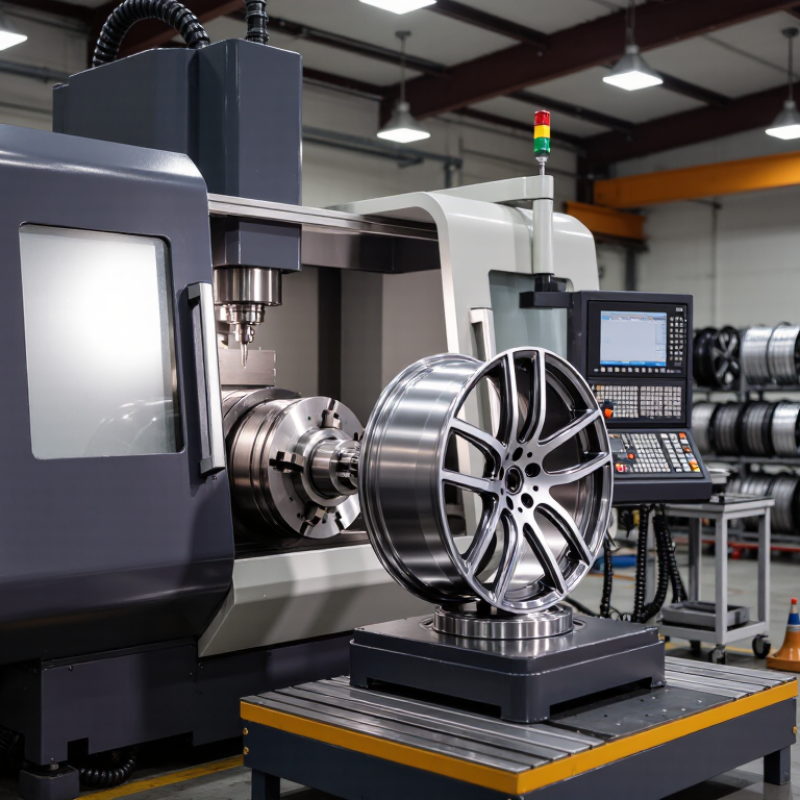
Register nowChoosing a Diamond Cut Alloy Wheel Machine in 2026 means looking beyond the control screen and showroom finish. The right machine must suit your wheel sizes, daily workload, operator skills, and finishing standards. A bright, mirror-like face is only part of the result. Repeatability matters just as much.
A practical shop-floor reminder is: “Measure the wheel, confirm the cut, and never trust appearance alone.” No verifiable expert name or source for this quotation was provided, so I have not attributed it to a real person. That distinction matters. Reliable buying advice should be traceable, not dressed up with an invented authority.
In this guide, we’ll examine the details that shape a sound purchase: spindle accuracy, probing and measurement, software, workholding, safety features, service support, and the cost of consumables. We’ll also consider how the machine handles a real wheel, from locating the face to producing a consistent cut without removing unnecessary material. Ask suppliers for a live demonstration using a wheel close to your own production mix. Inspect the finish under clear light. Check setup time, too.
Small checks reveal a lot. A polished sample can hide awkward workflows or inconsistent results across repeated cuts. Even experienced buyers can overlook those issues. Use the following outline to compare machines with care, question optimistic claims, and choose equipment that fits your workshop—not just the brochure.
Before comparing machines, list the wheels you will actually process: diameter, width, offset, center-bore range, and face design. A compact five-spoke wheel and a wide, deeply dished wheel can demand very different clamping and tool access. Include painted alloy, polished faces, step lips, and multi-spoke patterns in the trial list. Small details matter.
Define the finish too. Will the machine remove a light, even layer from the visible face, restore a damaged surface, or prepare wheels for a separate coating process? Confirm maximum wheel dimensions, safe clamping points, probe accuracy, cutting depth control, and whether the tool path can reach narrow spoke valleys. Ask for a sample cut on your most difficult wheel, not just an easy flat-face example.
The IEA’s Global EV Outlook 2024 reports nearly 14 million electric cars sold in 2023, around 18% of global car sales. That changing vehicle mix makes it sensible to check the machine’s load and size limits against your real incoming wheels, rather than assume one setting fits all.
I still find coating workflow easy to underestimate: a clean cut is not the same as a corrosion-ready finish. Verify who handles cleaning, coating, and inspection.
Compare Machine Configurations, Cutting Capacity, and Automation
Start with the wheels you actually process. Compare supported diameters, wheel widths, clamping styles, spindle speed, and tool access. A compact machine may suit mixed, low-volume work; a larger configuration can reduce changeovers when sizes repeat. Ask for a cutting demonstration on a representative wheel. Inspect spoke edges, finish consistency, and setup time—not just the brochure specifications. This choice is easy to underestimate.
Tips: Request a sample cut on your most awkward wheel design. Confirm how long a changeover takes, and whether operators can adjust programs safely. A touchscreen alone does not make a machine automated.
Automation should match your workflow. The International Federation of Robotics reported 541,302 industrial robot installations worldwide in 2023, showing the scale of factory automation—but this figure does not prove that every wheel shop needs robotic loading. Consider automatic loading only when production volume, floor space, and staffing justify it. Check guarding, fault recovery, and service access during a live trial. A faster cycle can still create delays if setup or inspection remains manual. And capacity claims deserve a second look: real output depends on wheel geometry, operator skill, and the finish standard you require.
When choosing a diamond cut alloy wheel machine in 2026, judge the cut at the rim, not just the brochure. A 2024 S&P Global Mobility report put the average U.S. light-vehicle age at 12.6 years, supporting continued demand for wheel repairs. That does not guarantee local demand, though. Check your own repair mix before paying for capacity you may not use.
Precision starts with spindle condition, repeatability, and a stable wheel fixture. Ask for a test cut on a damaged wheel, then inspect the face under angled light for chatter, uneven grooves, or missed areas. Small details matter. Confirm the machine can measure wheel runout and control cut depth consistently; a fine finish cannot compensate for excessive material removal. Review software functions in person: scanning, profile editing, saved job records, and recovery after an interrupted cycle. Tooling matters too. Confirm cutter availability, replacement costs, and how quickly an operator can reset it. I would not choose from screen demonstrations alone.
Finally, match the machine’s stated wheel diameter, width, and offset range to the work you actually receive. Check clamping access for narrow spokes and deep concaves, and ask how calibration is verified. Request written test results and a service schedule. Compatibility is easy to overlook. If the machine handles common sizes but struggles with your frequent designs, the advertised range may not help much. I have seen specifications look reassuring; real wheels can be less cooperative.
Use these suggested weights as a decision-making framework, not as market-survey results. Prioritize precision and verify software, tooling, and wheel compatibility against your production requirements before purchase.
A diamond cut alloy wheel machine should be judged by its safeguards, not just its finish or cutting speed. Ask to see the spindle guard, emergency stop, and any interlock working during a demonstration. Check it in person. Confirm how the wheel is clamped and how the machine limits access to moving parts. A tidy showroom is not proof of safe daily operation; ask to inspect the operator instructions and maintenance schedule.
Training should cover more than pressing start. Operators need hands-on practice with wheel inspection, secure clamping, tool setup, and stopping the machine if vibration or an unusual sound appears. Ask whether training includes a supervised test on a damaged or spare wheel. Short sessions can leave gaps. That matters when a new operator is working alone on a busy shift.
Service and operating costs shape the real purchase price. Request clear details on call-out fees, response times, spare-part availability, and routine alignment checks. Estimate cutting-tool replacements, power use, extraction requirements, and the cost of downtime. Compare those figures over several years, not just the initial quote. Some costs are easy to overlook, and estimates may still miss an awkward repair or a slow first month.
| Evaluation Area | What to Verify | Practical Check | Evidence to Request | Why It Matters |
|---|---|---|---|---|
| Machine suitability | Supported wheel diameters, widths, profiles, and approved repair operations. | Compare the machine’s documented work envelope with the actual wheels handled by your shop. Confirm whether the process is intended for cosmetic face refinishing and what material-removal limits apply. | Specification sheet, operating manual, and a demonstration using a representative wheel. | A wheel outside the stated capacity or an unsuitable repair can produce poor results or compromise the wheel. |
| Guarding and interlocks | Physical guarding around moving parts and a guard-interlock function where fitted. | Ask the supplier to demonstrate normal operation and what happens when an interlocked guard is opened. Check that guards are practical to use and are not intended to be bypassed. | Risk assessment, safety documentation, and an on-site demonstration. | Rotating workpieces, tools, and chips can create impact, entanglement, or cutting hazards. |
| Emergency stop and isolation | Accessible emergency-stop controls and a clearly identified method for isolating electrical power for maintenance. | Confirm the location and operation of the controls with the operator and maintenance personnel. Follow the machine manual and local workplace-safety rules. | Electrical documentation, operating instructions, and maintenance procedures. | Operators need a clear way to stop the machine in an emergency; maintenance requires safe isolation procedures. |
| Chips, dust, and housekeeping | How the machine manages metal chips, coolant or lubricant (if used), and any airborne contaminants generated by the process. | Review the process and the site’s ventilation and waste-handling arrangements. Determine whether additional extraction or containment is required for the specific setup. | Process guidance, safety data sheets for supplied fluids, and site risk-assessment requirements. | Suitable controls help limit exposure, slips, and contamination. Requirements depend on the process and local regulations. |
| Loading and handling | Wheel clamping method, fixture range, and safe loading arrangements. | Test loading and unloading the heaviest and largest wheels your shop expects to process. Check that the wheel can be secured without improvised adaptors. | Fixture specifications, setup instructions, and a supervised handling demonstration. | Secure clamping supports consistent machining, while suitable handling reduces manual-handling and dropped-load risks. |
| Operator training | Training covering setup, wheel inspection, clamping, tool selection, program use, safe operation, and routine checks. | Confirm who provides training, how many operators are included, whether training is hands-on, and whether refresher training is available. | Training syllabus, duration, attendance records, and operator competency checklist. | Training helps operators follow consistent procedures and recognize unsuitable wheels, setup errors, and abnormal machine behavior. |
| Service and spare parts | Service coverage, response arrangements, parts availability, and the process for technical support. | Ask for service hours, expected response times by location, travel or call-out charges, and typical lead times for key wear parts. | Written service terms, parts list, warranty conditions, and escalation procedure. | Clear service arrangements make downtime and repair costs easier to plan. |
| Cycle time and capacity | Realistic cycle time for the wheel types and finish quality required by your shop. | Time a complete representative job, including loading, setup, machining, inspection, and unloading—not just the cutting cycle. | Recorded demonstration results and a written description of the test setup. | End-to-end time provides a more useful capacity estimate than a cutting-cycle figure alone. |
| Tooling and consumables | Cutting tools, inserts, fixtures, coolant or lubricant (if applicable), and expected replacement intervals. | Request itemized prices and ask which consumables are required for your expected wheel mix. Treat replacement intervals as dependent on use and material. | Consumables list, current quotations, and maintenance schedule. | Consumables affect both recurring costs and the machine’s ability to maintain a consistent finish. |
| Operating cost estimate | Annual costs beyond the purchase price, including labor, electricity, tooling, maintenance, and any required site services. | Estimate: annual operating cost = labor + electricity + tooling/consumables + maintenance/service + site-service costs. Use your own operating hours and supplier quotations. | Itemized quotations, machine power data, maintenance schedule, and internal labor and utility rates. | A transparent estimate helps compare machines on total cost of ownership rather than purchase price alone. |
| Installation and site requirements | Footprint, access for delivery, electrical supply, floor requirements, and any environmental or ventilation needs. | Measure the route into the workshop and the final installation area. Have a qualified person verify electrical and site requirements before ordering. | Installation drawing, utility requirements, delivery plan, and pre-installation checklist. | Site preparation can affect installation cost, schedule, and safe access around the machine. |
| Compliance and documentation | Applicable machine-safety and workplace requirements for the country or region where the machine will be installed. | Ask the supplier for the applicable conformity and safety documents, then confirm local obligations with a competent safety professional or regulator. | Declarations or certificates applicable to the jurisdiction, risk documentation, manuals, and maintenance instructions. | Applicable requirements vary by jurisdiction; documentation should match the installation location and intended use. |
| Selection note: The checks above are buyer due-diligence prompts, not a substitute for local regulations, a machine-specific risk assessment, or the manufacturer’s operating instructions. Verify all specifications and cost estimates with the supplier before purchase. | ||||
How to Choose a Diamond Cut Alloy Wheel Machine in 2026?
Test Performance and Confirm Supplier Support Before Purchase
A live cutting test tells you more than a polished brochure. Ask the supplier to machine a representative alloy wheel, then inspect the finish under consistent lighting. Check runout, repeatability, cycle time, and the surface around spokes and tight curves. Record the settings and repeat the cut after a tool change. ISO 230-2 provides methods for assessing positioning accuracy and repeatability in numerically controlled machine axes; request relevant test records, not just verbal assurances. A clean first pass is useful. A repeatable result matters more.
Supplier support deserves the same scrutiny as cutting quality. Confirm who handles installation, operator training, calibration, software updates, and urgent troubleshooting. Ask for written response targets and typical lead times for common replacement parts. The U.S. Department of Energy’s Improving Motor and Drive System Performance sourcebook estimates that motor-driven systems account for about 68% of U.S. industrial electricity use. That is a broad industrial figure, not a wheel-machine benchmark, but it makes power consumption worth measuring during a realistic production run. One detail is easy to miss: a fast cycle may still waste energy or tools. Request a sample maintenance schedule and speak with a current user, if possible. A supplier’s answers may be imperfect; vague promises are harder to evaluate than documented test results.