What is Carbon Steel Pipe and Its Benefits for Buyers?
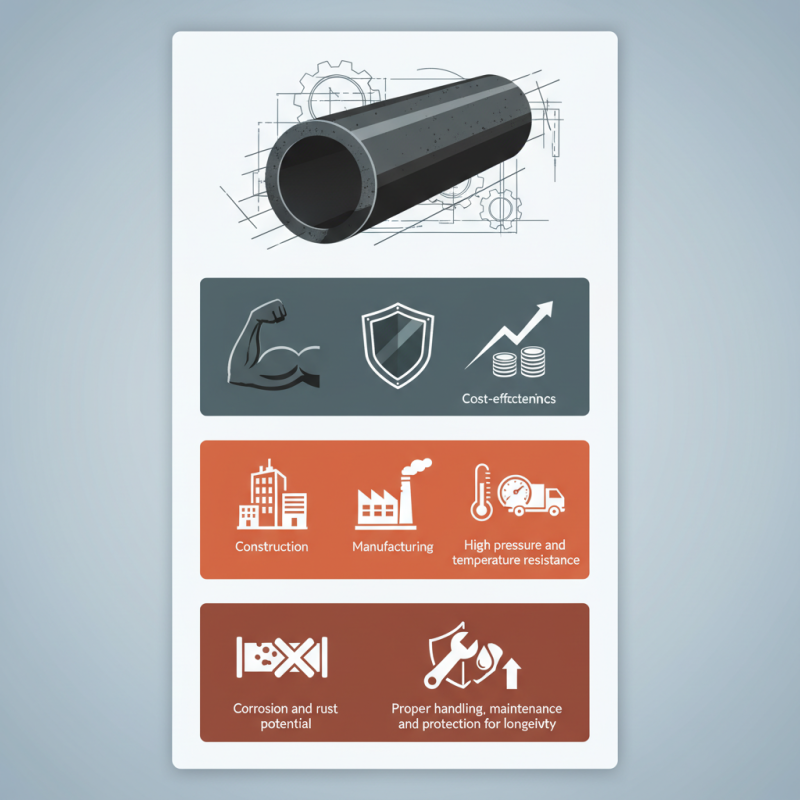
Carbon Steel Pipe is widely used in various industries. Its strength and durability make it a valuable choice for many applications. Buyers appreciate its cost-effectiveness compared to other materials.
This type of pipe is ideal for construction, manufacturing, and transportation. With the ability to withstand high pressure and temperature, Carbon Steel Pipe is reliable. However, proper handling and maintenance are essential to maximize its lifespan.
Understanding the benefits of Carbon Steel Pipe can lead to better purchasing decisions. The potential for corrosion and rust should not be overlooked. Awareness of these issues can help buyers make informed choices regarding protection and longevity.
Definition of Carbon Steel Pipe: Composition and Characteristics
Carbon steel pipe is an essential material in various industries. Made primarily of iron and carbon, its composition varies. Typically, the carbon content can range from 0.05% to 2.0%. This versatility impacts the pipe's strength, flexibility, and hardness.
Characteristics of carbon steel pipes include high durability and resistance to corrosion. This makes them ideal for construction, automotive, and plumbing applications. They can withstand high pressures and temperatures, making them suitable for critical systems. However, the susceptibility to rust must be managed properly, as it can compromise the integrity of the pipes over time.
Tips: When selecting carbon steel pipes, consider factors like the environment and application. Assess whether protective coatings might be needed. It's also wise to check the specifications for tensile strength to ensure they meet your needs. Always consult with experts before making large purchases to ensure optimal choices.
Types of Carbon Steel Pipes: Seamless vs. Welded Options
When considering carbon steel pipes, buyers often face a choice between seamless and welded options. Seamless pipes are manufactured from a solid steel billet. This production method provides high strength and reliability, making them ideal for high-pressure applications. They have a smooth surface and uniform structure, reducing the risk of leaks. However, they can be more costly to produce and purchase.
On the other hand, welded pipes are created by joining steel plates. This method allows for a variety of sizes and thicknesses, which can be beneficial for specific projects. Welded pipes are generally more affordable than seamless ones. However, the weld can be a weak point, potentially leading to failures. Buyers should carefully assess the project requirements and pressure levels when choosing between these two types. Quality assurance during production is vital for both types to ensure they meet safety standards. Selecting the right type requires a solid understanding of each option's advantages and drawbacks.
Comparison of Seamless and Welded Carbon Steel Pipes
This chart compares the benefits of Seamless and Welded Carbon Steel Pipes based on various factors such as Cost, Strength, Corrosion Resistance, Size Availability, and Manufacturing Time. Higher ratings indicate better performance in these areas.
Benefits of Carbon Steel Pipes for Buyers: Strength and Durability
Carbon steel pipes are known for their strength and durability, making them a choice material in various industrial applications. These pipes typically consist of iron and a small percentage of carbon, which increases their hardness and tensile strength. According to a report by the American Institute of Steel Construction, carbon steel pipes can withstand high pressures and are resistant to wear, making them ideal for transporting liquids and gases.
The durability of carbon steel pipes also translates into lower maintenance costs for buyers. A study by the Journal of Structural Engineering states that the lifespan of carbon steel plumbing can reach up to 50 years. This longevity reduces the frequency of replacements, benefiting overall project budgets. Furthermore, these pipes can handle extreme temperatures, ensuring performance across diverse environments, from oil refineries to water treatment facilities.
However, it's essential to note that carbon steel does require protective coatings to prevent corrosion. While it offers impressive strength, neglecting this aspect may lead to premature failures. Buyers must weigh the advantages of carbon steel with this consideration. Overall, the benefits of carbon steel pipes in terms of strength and durability often outweigh potential drawbacks, making them a reliable choice for many applications.
Applications of Carbon Steel Pipes in Various Industries
Carbon steel pipes play a vital role in various industries due to their strength and versatility. These pipes are commonly used in construction, automotive, and marine applications. For instance, in construction, carbon steel pipes support structural frameworks. They provide durability while withstanding weight and stress over time. This attribute makes them indispensable in building skyscrapers and bridges.
In the oil and gas industry, carbon steel pipes transport fluids efficiently. Their resistance to high pressure and temperature ensures safe operations. Moreover, they are used in pipelines that span vast distances. However, while they excel in many scenarios, they can be susceptible to corrosion if not properly maintained. Protective coatings are often necessary for long-term use.
The manufacturing sector also benefits from carbon steel pipes. They are used in machinery and tools due to their sturdy profile. However, their rigidity can be a drawback in certain applications where flexibility is essential. Understanding these nuances is crucial for buyers as they seek the right solutions for their specific needs.
What is Carbon Steel Pipe and Its Benefits for Buyers? - Applications of Carbon Steel Pipes in Various Industries
| Category | Application | Benefits |
| Construction | Structural framework, plumbing | High strength, durability, cost-effective |
| Automotive | Exhaust systems, chassis components | Corrosion resistance, lightweight |
| Oil and Gas | Pipelines, casing | High pressure tolerance, reliability |
| Manufacturing | Machine parts, fixtures | Versatility, ease of machining |
| Electrical | Cable conduits, grounding | Conductivity, protection from elements |
Cost Considerations and Maintenance Tips for Carbon Steel Pipes
When considering carbon steel pipes, cost plays a vital role for buyers. According to industry reports, carbon steel pipes generally cost between $0.50 to $3.00 per foot, depending on specifications. These prices can fluctuate based on market demand and material quality. Buyers often appreciate the affordability of carbon steel, especially for construction projects requiring bulk materials. However, price alone shouldn't dictate choices. It's essential to consider long-term maintenance costs.
Maintenance of carbon steel pipes is crucial. They require regular inspections to prevent corrosion. According to a study by the American Society of Civil Engineers, untreated carbon steel pipes can lose up to 50% of their strength within 10 years in a corrosive environment. Protective coatings can extend their lifespan but add upfront costs. Regular cleaning and timely repairs are also necessary to maintain functionality.
In many cases, buyers may overlook the importance of proper installation. Poor installation can lead to leaks and decreased efficiency. The initial savings can diminish rapidly if maintenance is neglected. For carbon steel pipes, balancing cost and maintenance is key. Making informed decisions can lead to better long-term performance and reliability.



 Distributors
  SDS Download
  Contact