2026 Best Mineral Admixture Options for Global Buyers?
In recent years, the demand for high-quality Mineral Admixtures has surged among global buyers. These materials enhance the performance and longevity of concrete, leading to more sustainable construction practices. According to a report by the Global Cement and Concrete Association, the mineral admixture market is projected to grow at a compound annual growth rate of 6.2% from 2022 to 2026. This growth reflects a broader trend toward environmentally friendly building materials.
Dr. Emma Franklin, a noted expert in construction materials, emphasizes the significance of mineral admixtures: “The right admixtures can transform ordinary concrete into a highly durable, resilient material.” This insight resonates with many industry leaders as they prioritize sustainable and efficient construction processes. However, not all mineral admixtures are created equal. The effectiveness varies based on their source and composition.
With increasing variety, buyers must navigate through many options. Common choices include fly ash, silica fume, and slag. Each has distinct characteristics that can enhance specific concrete properties. Yet, buyers should remain cautious. Quality discrepancies exist widely in the market, necessitating thorough evaluations before selection. As the landscape of mineral admixture choices evolves, informed decision-making is crucial for achieving optimal results in concrete applications.
Understanding Mineral Admixtures: An Overview of Key Materials
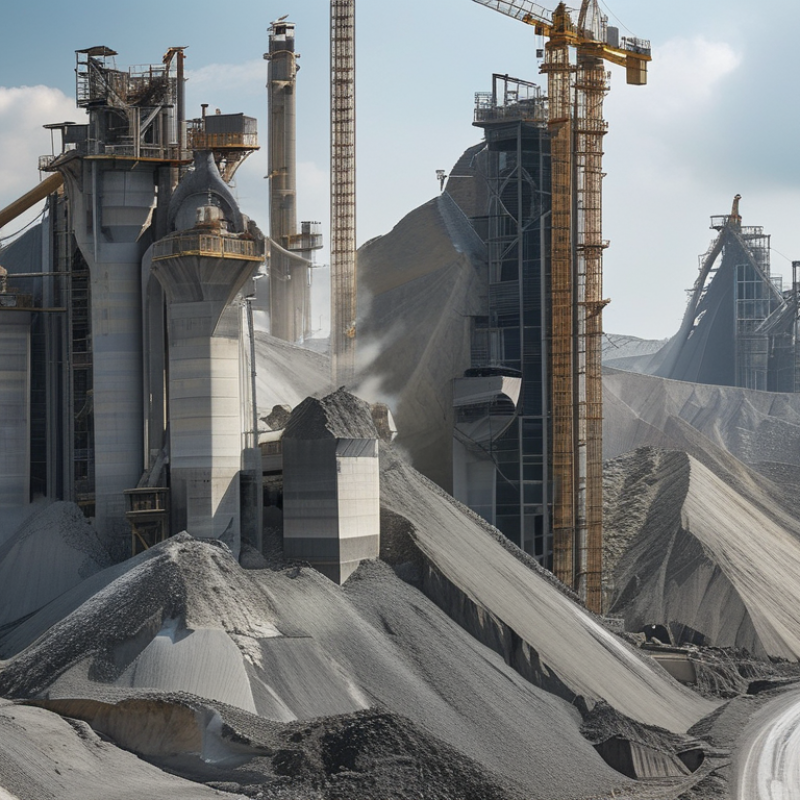
Mineral admixtures play a crucial role in modern concrete technology. They enhance the performance and sustainability of construction materials. Key materials include fly ash, silica fume, and ground granulated blast-furnace slag. Each of these has unique properties that influence the strength and durability of concrete.
Fly ash is a byproduct of coal combustion, known for its pozzolanic activity. It improves workability and reduces segregation in concrete mixes. Silica fume, on the other hand, is a byproduct from silicon metal production. It significantly increases compressive strength and reduces permeability. Ground granulated blast-furnace slag, sourced from iron production, offers benefits like resistance to sulfate attack.
Though beneficial, the choice of admixture requires careful consideration. Not all materials perform equally under varying environmental conditions. Engineers must assess local availability and performance history. Misjudging these factors could lead to unexpected complications. Using the right mineral admixture can greatly enhance concrete’s lifespan, but it requires thorough analysis and understanding of material interactions.
2026 Best Mineral Admixture Options for Global Buyers
| Mineral Admixture | Main Benefits | Usage Rate (%) | Typical Applications | Environmental Impact |
| Fly Ash | Improves workability, reduces permeability | 15-30% | Concrete, mortar | Reduces landfill waste |
| Ground Granulated Blast Furnace Slag (GGBFS) | Enhances durability, lowers heat of hydration | 40-70% | High-performance concrete | Source of reusable byproduct |
| Silica Fume | Increases strength, reduces porosity | 5-10% | Industrial floors, precast products | Utilizes byproduct of silicon production |
| Natural Pozzolans | Improves strength and workability | 10-20% | Bridge and tunnel construction | Sustainable material option |
| Rice Husk Ash | Enhances compressive strength, lightweight | 5-15% | Lightweight concrete mixes | Reduces agricultural waste |
Benefits of Using Mineral Admixtures in Construction Projects
Incorporating mineral admixtures in construction projects offers numerous advantages. These materials enhance the durability and sustainability of concrete. By using options like fly ash or silica fume, you can increase the lifespan of structures. This improved resilience leads to lower maintenance costs over time.
Choosing the right mineral admixture can be challenging. You must consider factors like climate and type of construction. Some admixtures work better in humid conditions, while others may excel in cold environments. It’s essential to test these materials in small batches before large-scale use. This can help identify issues like setting time or workability that may arise with specific mixtures.
Being mindful of the local sourcing of materials is crucial. Transporting admixtures over long distances can increase carbon footprints. Additionally, quality control is key. Inconsistent quality can lead to unexpected results in the final product. Conducting thorough research and quality checks can mitigate these risks and ensure a successful construction project.
2026 Best Mineral Admixture Options for Global Buyers
This chart illustrates the benefits of different mineral admixtures used in construction projects. The data reflects their popularity and performance metrics among global buyers.
Assessing Performance and Sustainability Standards of Mineral Admixtures
In assessing the performance of mineral admixtures, it’s critical to examine their sustainability standards. Recent studies indicate that mineral admixtures, such as fly ash and slag, can significantly reduce the carbon footprint of concrete. The Global Cement and Concrete Association reported that using these materials can lower CO2 emissions by up to 30%. This information emphasizes the urgent need for environmentally friendly construction practices.
Moreover, the effectiveness of these mineral admixtures varies based on their source and processing. A report from the American Concrete Institute highlighted that the mineral composition directly influences mechanical properties and durability. For example, while fly ash can enhance workability, it might exhibit lower early-strength characteristics than other admixtures. This trade-off necessitates careful selection based on project requirements.
The life cycle assessment of mineral admixtures often reveals gaps in data. Many reports still lack comprehensive analysis of long-term performance in diverse environments. As the industry progresses toward more sustainable solutions, addressing these shortcomings is essential. Buyers must choose admixtures not just based on cost but also on their ecological impact and performance. A reflective approach can guide more informed decisions for future construction projects.
Future Trends in Mineral Admixture Research and Development
The landscape of mineral admixtures is evolving rapidly. Recent research indicates a growing interest in sustainable building materials. According to the International Journal of Concrete Science and Technology, the demand for green admixtures is projected to grow by 15% annually through 2026. This aligns with the global push for environmentally friendly construction practices.
Innovations in mineral admixtures focus on enhancing performance. Fly ash and slag are gaining attention for their potential to improve durability and reduce carbon footprints. A recent study from the Cement and Concrete Research journal highlights that using these materials can decrease CO2 emissions by up to 40% in concrete production. However, the inconsistency in quality can pose challenges for manufacturers and builders alike.
Further research is needed to standardize the use of these materials globally. The dependence on raw materials varies by region, complicating supply chains. Additionally, while many admixtures offer benefits, the long-term effects on concrete performance are still being evaluated. Stakeholders in the industry must prioritize research to establish guidelines for effective use. The future trends in mineral admixture development will depend on collaborative efforts between researchers, manufacturers, and regulatory bodies.



 Distributors
  SDS Download
  Contact