Discover the Best Low Profile Welding Rotators for Your Projects
When it comes to welding projects, precision is essential. Choosing the right equipment can make a significant difference in both quality and efficiency. Among the various tools available, the Low profile welding rotator stands out for its unique design. This tool ensures stability and precision, especially when working with heavy materials.
Low profile welding rotators are ideal for fabricators who need to optimize their workspace. These rotators can navigate tight areas with ease. However, not all models are the same. It’s important to select a rotator that fits your specific project needs. Some rotators may lack the necessary weight capacity or speed control.
In this quest for the best low profile welding rotator, understanding its features is crucial. You want a tool that combines reliability with user-friendly operation. Take time to consider various options. Each project demands a different approach. Reflecting on your needs will lead you to the best choice.
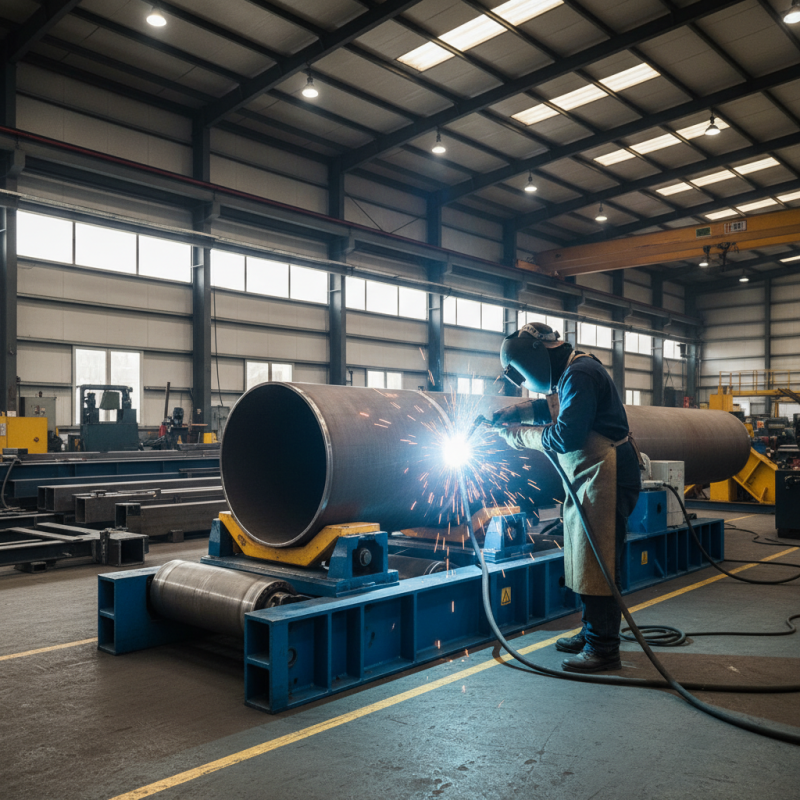
Understanding Low Profile Welding Rotators and Their Benefits
Low profile welding rotators are essential tools in various welding projects. They allow for enhanced stability and control, especially when dealing with large or heavy components. These rotators can significantly improve the quality of welds by ensuring that the workpiece rotates smoothly and evenly. This effect minimizes distortion and maximizes efficiency.
One major benefit of low profile rotators is their versatility. They can accommodate different workpiece sizes and shapes, making them suitable for diverse applications. However, careful selection is crucial. Inadequate weight capacity might lead to instability during operation. Observing the weight limits is important to avoid unwanted accidents and ensure safety.
Moreover, they often come with adjustable speed settings, giving operators better control. An experienced welder understands the importance of adjusting the speed to match the material and thickness. However, when new to welding, one might underestimate this aspect. Taking the time to experiment with different settings can lead to improved results. Attention to detail here can make a big difference in the final output. Each project is unique, and learning through experience is key.
Key Features to Look for in Low Profile Welding Rotators
When searching for low profile welding rotators, understanding their key features is essential. Ensure stability with a robust frame that accommodates various weights. Some models can support loads exceeding 10,000 pounds, catering to larger projects. Look for adjustable speed settings, as this versatility allows you to customize the rotation for different materials. Generally, a rotation speed range of 0.1 to 10 RPM is optimal for most applications.
Tip: Always assess maximum load capabilities before purchase. An overlooked aspect can lead to project delays or equipment failure.
Additionally, consider the quality of the drive system. Gear-driven systems typically provide better control than belt-driven systems, which may slip under heavy loads. Some industry reports indicate that a reliable drive can enhance productivity by up to 15%. Don't forget about portability; having a lightweight model can make transitions between jobs much easier.
Tip: Check user reviews and testimonials for real-world performance insights. Real feedback often uncovers aspects manufacturers may not highlight. Achieving the perfect balance of features can take time and reflection, so prioritize your specific project needs without rushing the decision.
Top Brands and Models of Low Profile Welding Rotators Reviewed
When considering low profile welding rotators, selecting the right model is crucial for efficiency. These machines are essential for tasks requiring precision and stability. The best models typically offer adjustable speeds, strong support, and durability. Users often comment on the ease of operating these devices.
Tips: Evaluate your workspace carefully. Ensure the rotator fits under your equipment and allows room for maneuverability. This reduces the risk of accidents and enhances the welding process. Read reviews to understand common issues. Look for feedback on durability and performance.
The design of low profile welding rotators can be improved. Many users express the need for better weight distribution. A well-balanced rotator is essential for consistent results. Check how easy it is to operate the controls. You want a smooth experience when making adjustments.
The integration of safety features is important. Some models lack adequate protective measures. Consider investing in an additional safety guard if needed. It might add some cost, but it ensures a safer working environment. Remember to keep the rotator clean and well-maintained. Regular maintenance can prevent unexpected breakdowns and extend its lifespan.
How to Choose the Right Low Profile Welding Rotator for Your Project
When selecting a low profile welding rotator, consider your project's specific needs. Not all rotators are created equal, and industry studies illustrate that using the right equipment can enhance productivity by up to 30%. For projects requiring precision, paying attention to weight capacity is critical. Most low profile options can support loads ranging from 500 lbs to over 10,000 lbs. Evaluate this based on the components you'll be welding.
Size and adjustability matter. The width and height of the rotator should fit your workspace. A report from the American Welding Society noted that poor equipment selection can lead to costly mistakes. These errors often stem from inadequate equipment adjustability. If you choose a rotator that doesn’t align with your project, you may face challenges in achieving optimal angles.
Additionally, consider the power source. Many rotators offer electric, pneumatic, or hydraulic power options. Each type has different operational efficiencies. Too often, projects fail simply due to overlooking the energy source. A well-informed choice can significantly impact workflow and safety. Ensure that your equipment meets or exceeds the necessary specifications for your project.
Welding Rotators Comparison
Maintenance Tips for Prolonging the Life of Your Welding Rotator
Maintaining welding rotators is crucial for efficiency. Industry data indicates that regular upkeep can extend lifespan by 30-50%. A simple maintenance schedule can save considerable costs over time.
The first step is to inspect the rotator regularly. Look for signs of wear and tear, such as misalignment and unusual noise. Lubrication is essential. Use quality grease on all pivot points to ensure smooth operations. Keeping the rotator clean from dust and debris is also vital; a clean machine operates more effectively.
Another important aspect is checking the electrical components. There should be no exposed wires or loose connections. Overheating is a common issue, often due to inadequate airflow. Ensure vents are unobstructed. Regular training for operators can also play a significant role. They should understand how to identify early signs of potential failures. With meticulous care, welding rotators can continue to perform optimally, providing better reliability in your projects.



 Distributors
  SDS Download
  Contact