Best Graphite Lined Crucible for Efficient Melting?
When considering the best tools for efficient melting, the "Graphite Lined Crucible" stands out as a vital component. According to Dr. Emily Hayes, a leading expert in materials science, “A high-quality graphite crucible is crucial for achieving precise melting temperatures.” This statement emphasizes the significance of quality in melting processes.
Graphite lined crucibles are known for their ability to withstand extreme heat. They facilitate even heat distribution, which is essential for metals and alloys that require precise melting points. However, not all graphite lined crucibles are created equal. Variations in quality can impact melting efficiency and affect the final product.
Selecting the right crucible demands careful consideration. Potential users often overlook the importance of material sourcing and manufacturing standards. A thorough understanding of your specific melting requirements can lead to better choices. Reflecting on the available options can help manufacturers enhance their melting processes significantly.
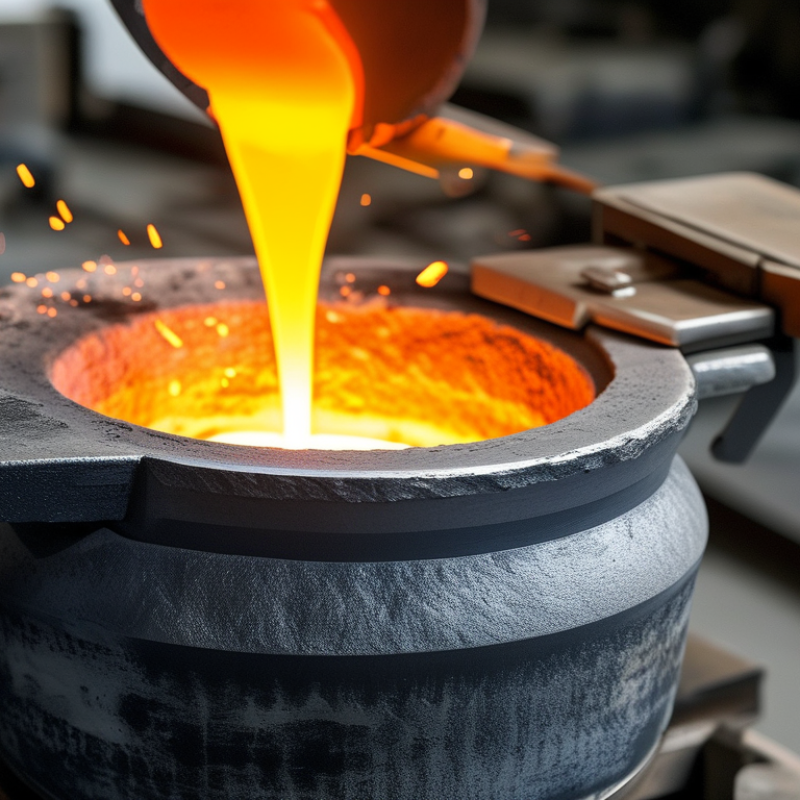
Best Graphite Lined Crucibles: An Overview of Materials and Their Benefits
When it comes to melting metals, graphite lined crucibles stand out for their efficiency. These crucibles are made from a blend of graphite and clay, which enhances heat resistance. They can endure very high temperatures, often exceeding 3000°F. This ability to withstand heat helps to achieve precise melting points for various metals. The smooth surface also facilitates easy pouring, reducing waste.
Image of Graphite Lined Crucibles
One significant advantage of graphite lined crucibles is their excellent thermal conductivity. This property ensures even heating of the material inside. As a result, you get a uniform melt, which is critical for achieving quality results. Moreover, the durability of these crucibles means they can be reused multiple times. However, they require careful handling to avoid cracks or damage. Proper storage and cleaning are crucial for maintaining their lifespan.
Despite their advantages, there are challenges to consider. Over time, crucibles may develop residues that affect performance. Regular inspection helps to identify these issues early. Additionally, understanding the specific material needs and melting conditions is vital for optimal use. Each user may find a learning curve in mastering the best practices for their individual melting requirements.
Key Factors Influencing Melting Efficiency in Graphite Lined Crucibles
Choosing the right graphite lined crucible can significantly enhance your melting efficiency. Several factors come into play when selecting a crucible. One key aspect is thermal conductivity. Crucibles with high thermal conductivity allow for even heating. This leads to a more efficient melt. Uniform temperature distribution reduces the risk of hot spots, which can damage materials.
Another important factor is the crucible's size. A crucible that is too small can lead to overheating and improper melting. Conversely, a too-large crucible may create inefficiencies due to excess heat loss. Make sure to match the crucible size with your melting needs. This small adjustment can have a big impact on your results.
**Tips:** Always preheat your crucible. This will help minimize thermal shock. Also, ensure a clean surface. Contaminants can affect melting efficiency. Checking your crucible for wear and tear regularly is crucial. It is essential to replace damaged crucibles to maintain optimal performance. Your choice in materials will reflect in your melting outcomes.
Industry Standard Sizes and Designs for Optimal Heat Distribution
Selecting the right graphite lined crucible is essential for effective melting processes. Different industries require various sizes and designs to meet specific heating needs. The industry standard sizes ensure that users can achieve optimal heat distribution without creating hot spots. This balance directly impacts the efficiency and quality of the melted material. A well-designed crucible not only holds the metal but also facilitates uniform heating across its surface.
When it comes to designs, the shape of the crucible plays a critical role. A conical or cylindrical shape helps in achieving uniform temperature. However, some users overlook the importance of proper size, leading to poor melting performance. It's also crucial to consider the crucible's thermal shock resistance. Some designs can crack under sudden temperature changes. This brings a need for understanding material properties and their limitations. Every melting job demands careful preparation to ensure successful outcomes.
It is also important to keep versatility in mind. A crucible that works well for one material may not be suitable for another. Evaluating the specific requirements of your melting task can prevent inefficiencies. Though many designs on the market aim for excellence, constant refinement and testing remain vital. Regular users must be willing to analyze their experiences and adapt accordingly. Each melting endeavor can teach something valuable about the needs of the process.
Best Graphite Lined Crucible for Efficient Melting
| Crucible Size (ml) | Max Temperature (°C) | Material Thickness (mm) | Weight (kg) | Heat Distribution Efficiency (%) |
| 100 | 1600 | 5 | 2.5 | 85 |
| 250 | 1650 | 6 | 3.5 | 90 |
| 500 | 1700 | 7 | 5.0 | 92 |
| 1000 | 1750 | 8 | 7.5 | 94 |
| 2000 | 1800 | 10 | 10.0 | 95 |
Comparative Analysis of Graphite Lined Crucibles vs. Other Materials
When choosing a crucible for melting, graphite lined crucibles stand out for several reasons. They heat uniformly and withstand high temperatures without degrading. This is crucial when aiming for efficient melting of metals. In contrast, ceramic or clay crucibles may crack under extreme heat. They can also absorb contaminants, which affects the purity of the molten material.
The thermal conductivity of graphite lined crucibles is superior. This means they transfer heat more efficiently, reducing energy costs during melting. However, graphite is not rogue-proof. Overuse can lead to erosion, and this erosion can impact performance. Users need to be aware of the wear and plan for regular inspections.
Tips: Always preheat your crucible to avoid thermal shock. Use a high-quality protective coating if necessary. Also, keep an eye on the melting process. Factors like temperature fluctuations can affect the outcome. Regular maintenance on your equipment will lead to improved longevity and performance.
Maintenance Tips for Extending the Lifespan of Graphite Lined Crucibles
Graphite lined crucibles are essential for efficient melting processes. However, their lifespan can be compromised without proper maintenance. To extend their use, regular cleaning is vital. After each melting session, remove residue promptly. This helps prevent buildup that can crack the material over time. Even minor neglect can lead to significant issues later.
Temperature management is crucial as well. Rapid temperature changes can cause thermal shock. Avoid exposing your crucibles to extreme heat or cold quickly. Instead, allow them to adjust gradually. Consider preheating them before use. This simple step can enhance longevity and performance.
Storage also plays a role. Store crucibles in a dry, clean area, free from dust and moisture. Rest them on a soft surface to avoid scratches or impacts. Inspect them regularly for any signs of wear or damage. While some wear is normal, any significant cracks should not be ignored. Addressing these issues early can save time and costs later. Regular maintenance becomes a routine, but it’s an investment in efficiency and reliability.
Graphite Lined Crucible Efficiency and Maintenance



 Distributors
  SDS Download
  Contact