What Are the Best Features of the Chiller Series Units?
The Chiller Series units have emerged as a top choice in the cooling industry. They deliver efficient performance and reliability. Users appreciate their blend of advanced technology and user-friendly design. Many customers specifically choose the Chiller Series for its versatility in various settings.
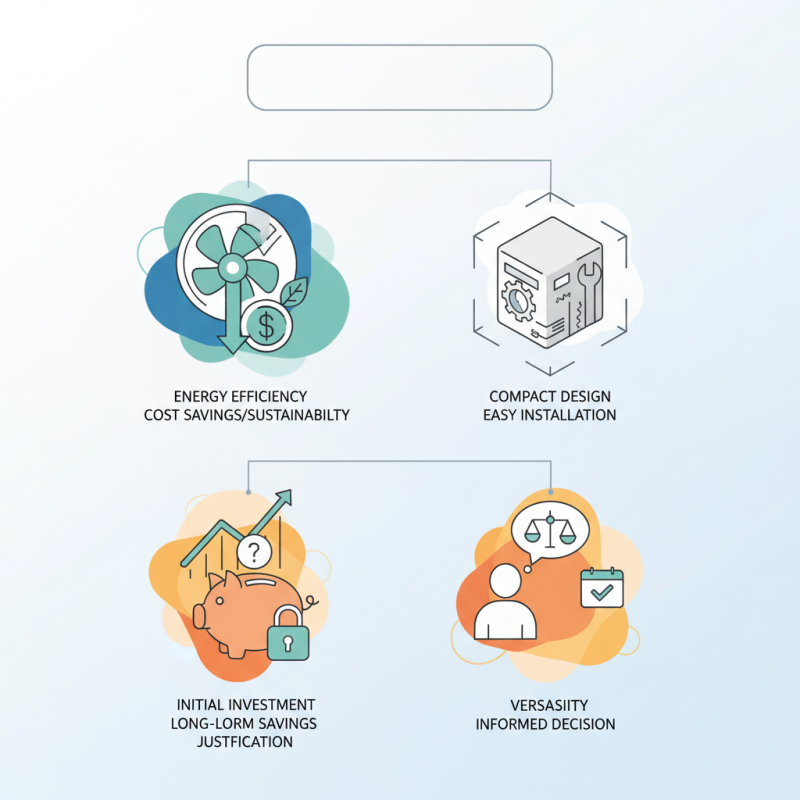
What truly sets the Chiller Series apart are its standout features. For instance, energy efficiency is a major highlight. This not only reduces costs but also promotes environmental sustainability. The compact design is another attractive aspect. It allows for easy installation in tight spaces. However, some users feel the initial investment can be daunting. This prompts reflection on whether the long-term savings justify the upfront cost.
In conclusion, the Chiller Series combines innovation and practicality. Yet, buyers must consider their specific needs and budgets. Understanding all dimensions of this series is essential for making an informed decision.
Overview of Chiller Series Units and Their Applications
Chiller Series Units play a crucial role in various industrial and commercial applications. These units are essential for maintaining temperature-sensitive processes in industries such as pharmaceuticals, food and beverage, and data centers. According to industry reports, about 30% of energy consumed in commercial buildings is used for cooling. This highlights the importance of efficient chiller systems.
These units work on the principle of heat exchange, providing reliable cooling across different environments. Key features include their ability to operate in extreme temperatures and their energy efficiency. Energy-efficient models can save up to 25% in operating costs compared to traditional units. However, the initial investment can be significant, which might deter some businesses from upgrading their systems.
Despite their benefits, there are challenges with maintenance and operation. Regular upkeep is necessary to ensure optimal performance. Neglecting maintenance can lead to reduced efficiency, increasing energy costs. Additionally, the environmental impact of refrigerants used in these units requires careful consideration. Many industries are now looking to adopt low-GWP (Global Warming Potential) refrigerants to minimize their carbon footprint, reflecting a growing trend toward sustainability in cooling technologies.
Key Cooling Technologies Used in Chiller Series Units
Chiller series units play a vital role in modern cooling applications. They use various advanced cooling technologies to enhance efficiency and reliability. According to a recent industry report, energy-efficient chillers can save up to 30% more energy compared to traditional units. This is particularly important in large facilities where cooling demands are high.
Variable Speed Technology is a key feature. It adjusts compressor speed based on cooling load needs. This not only improves energy usage but also extends equipment lifespan. Additionally, refrigerants used in these chillers are becoming more environmentally friendly, aligning with global sustainability goals. As data suggests, the shift to low-GWP refrigerants can reduce carbon footprint by over 40%.
Another noteworthy technology is integrated control systems. These systems offer precise temperature management and remote monitoring capabilities. However, the complexity of integration can pose challenges during installation. Industry reports highlight that improper setup can lead to inefficiencies and increased maintenance costs. Therefore, thorough training for technicians is essential to avoid these pitfalls.
Energy Efficiency Features of Chiller Series Units
The Chiller Series units stand out in energy efficiency. Optimizing cooling systems is crucial for industry sustainability. According to industry reports, approximately 30-40% of a facility's energy can be used by cooling systems. Reducing this percentage is essential for cost savings and environmental impact.
These units often include advanced features. Variable speed compressors adapt based on demand. This technology can lead to energy savings of up to 50%. Efficient heat exchangers can further enhance performance. They minimize energy loss during the cooling process.
Tip: Regular maintenance can ensure peak efficiency. Small issues can lead to larger energy costs. Even minor leaks can significantly impact energy usage over time.
Monitoring energy consumption is also vital. Tracking performance metrics helps identify inefficiencies. Data shows that real-time monitoring can enhance energy savings by 20-25%. Reflecting on your system’s performance may lead to improvements.
What Are the Best Features of the Chiller Series Units? - Energy Efficiency Features of Chiller Series Units
| Feature | Description | Energy Efficiency Rating |
| Variable Speed Drives | Adjust the compressor speed based on cooling demand, leading to significant energy savings. | A+++ |
| Advanced Control Systems | Utilizes smart algorithms to optimize performance and reduce energy use. | A++ |
| High-Efficiency Heat Exchangers | Enhances thermal transfer efficiency, minimizing energy loss. | A+ |
| Low Global Warming Potential Refrigerants | Utilizes refrigerants with lower environmental impact. | A+ |
| Modular Design | Allows for scalable solutions, adapting to varying cooling loads efficiently. | A++ |
Control and Monitoring Systems in Chiller Series Units
Control and monitoring systems in Chiller Series units play a crucial role in their functionality. These systems ensure that temperature and pressure levels remain optimal. They allow users to track the unit's performance in real-time. Many units now come equipped with digital displays. This feature helps in easy access to important data, such as energy consumption and cooling capacity.
However, not all systems are without their flaws. Some users find the interfaces to be complicated. Navigating through the settings can be a challenge. User feedback often highlights the need for more intuitive designs. Additionally, remote access is becoming a norm, yet it sometimes faces connectivity issues. This can result in delayed responses or incorrect adjustments.
By integrating smart technology, these systems can enhance energy efficiency. Predictive maintenance capabilities can prevent failures before they occur. But reliance on technology raises concerns as well. Systems may fail if not regularly updated. This could lead to inefficiencies and unexpected downtime. Users must remain vigilant about maintenance and software upgrades to fully benefit from these advancements.
Control and Monitoring Features in Chiller Series Units
Maintenance and Durability Aspects of Chiller Series Units
Chiller series units offer various benefits when it comes to maintenance and durability. Regular upkeep is essential to ensure optimal performance. A simple cleaning routine can prevent dirt and grime from building up. This routine helps maintain efficiency and prolongs the lifespan of the unit. However, many users overlook this crucial aspect. Ignoring maintenance can lead to cooling inefficiencies and higher energy bills.
Durability is another key aspect of these units. They often use robust materials to withstand harsh environments. Yet, even the best machines can face wear and tear over time. It's important to watch for signs of deterioration. Regular inspections can catch small issues before they turn into major problems. This proactive approach can save on costly repairs down the road.
While these units are built to last, they still require attention. Some users may feel overwhelmed by the upkeep process. Simple guides or checklists can help ease this burden. Remember, effective maintenance is a partnership. It requires commitment from both the user and the machine. Skipping steps can lead to regret later on.



 Distributors
  SDS Download
  Contact