2026 Best Electrical Steel Types for Industry Applications?
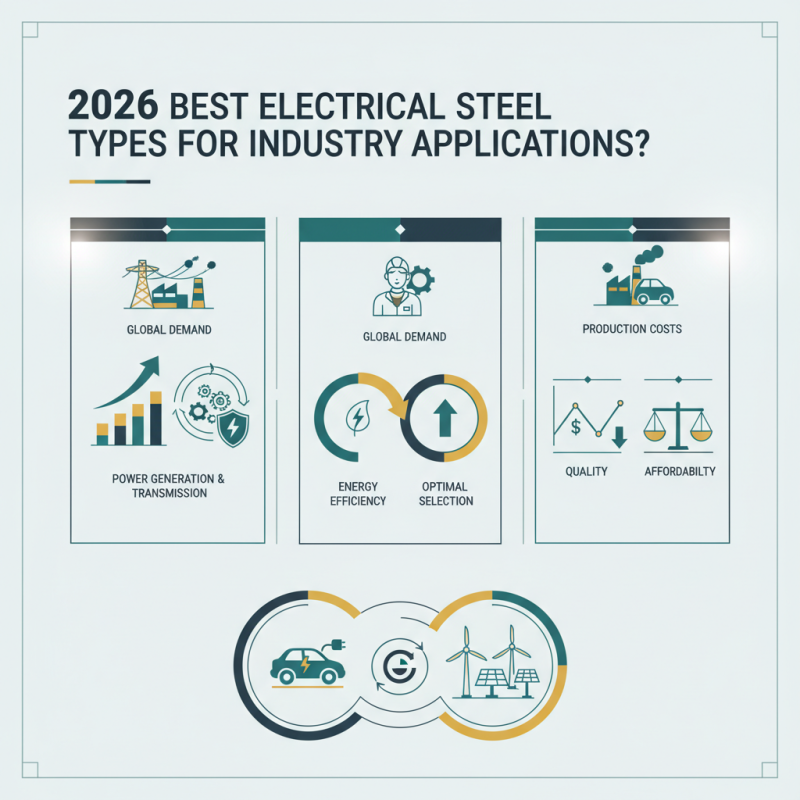
The Electrical Steel industry is undergoing significant evolution. Its role in modern applications cannot be overstated. Electrical steel is essential for power generation and transmission. According to a report by ResearchAndMarkets, global demand for electrical steel is projected to reach USD 30 billion by 2026.
Notably, industry experts have emphasized the need for better materials. Dr. Emily Zhang, a prominent electrical steel specialist, has stated, “The right type of electrical steel can dramatically enhance energy efficiency.” This highlights the importance of selecting the optimal steel type for specific applications.
Challenges exist in the electrical steel market. Manufacturers face difficulty in meeting the growing demand for high-performance materials. Issues like material degradation and production costs require careful consideration. Balancing quality and affordability is crucial for long-term sustainability. Electric vehicles and renewable energy are reshaping industry standards, bringing both opportunities and challenges.
Types of Electrical Steel: Differences Between Grain-Oriented and Non-Grain-Oriented
Electrical steel plays a crucial role in the energy sector. It is primarily used in transformers and electric motors. Among the types, grain-oriented electrical steel (GOES) shows superior performance. It enhances magnetic properties when aligned in a specific direction. This feature is vital for efficient energy conversion.
Non-grain-oriented electrical steel (NGOES) serves a different purpose. It is used in various applications, including electrical machines and transformers. While NGOES is less efficient than GOES, it boasts good strength in all directions. This flexibility allows for diverse industry applications. Reports indicate that the global demand for electrical steel will reach 21.5 million metric tons by 2026.
Tips: When selecting electrical steel, consider the specific application needs. Focus on performance metrics like permeability and losses. For companies, optimizing production processes can reduce costs and improve yield.
Improper selection of electrical steel can lead to inefficiencies. For instance, using NGOES where GOES is required may result in higher energy losses. It's essential to evaluate your application thoroughly. Often, the right choice can significantly enhance performance and sustainability in operations.
Key Properties of Electrical Steel: Understanding Magnetic Induction and Losses
Electrical steel is essential for various industrial applications, especially in transformers and electric motors. Its key properties revolve around magnetic induction and losses. Understanding these properties helps in selecting the right type for specific uses.
Magnetic induction refers to the material’s ability to conduct magnetic flux. High magnetic induction improves efficiency in motors and transformers. However, achieving optimal induction without increasing losses is challenging. Losses occur mainly due to hysteresis and eddy currents. Hysteresis losses arise when the magnetic material is cycled through its magnetization curve. On the other hand, eddy currents generate heat, consuming energy that could have been used for actual work.
The thickness and composition of electrical steel influence these properties. Thinner sheets tend to minimize eddy current losses, yet manufacturing them can be complex and costly. Companies often face trade-offs. A higher magnetic induction level might require a sacrifice in thickness. Evaluating these factors is vital, and continuous improvement is necessary to enhance performance. It poses questions that need reflection and innovation to overcome existing limitations.
Industry Applications: How Electrical Steel Facilitates Power Generation and Distribution
Electrical steel plays a critical role in power generation and distribution. This specialized steel type is designed to conduct magnetic fields efficiently. Its unique characteristics enhance the performance of transformers, generators, and motors. For instance, lamination techniques reduce energy loss. This often leads to improved efficiency, but manufacturers sometimes overlook optimal designs.
In industry applications, choosing the right electrical steel type can be challenging. Different grades offer varying magnetic properties. Higher silicon content can minimize losses, but it can also make the steel more brittle. This trade-off needs careful consideration. Engineers must balance performance and durability based on specific needs. Additionally, the supply chain for high-quality electrical steel isn't always stable. This can create delays in projects, causing frustration.
Understanding how electrical steel facilitates power transmission is crucial. It allows for stable and efficient power flow. Yet, there are still improvements to be made in recycling and reusability. New developments could reduce waste and enhance sustainability. Investing in better production methods could alleviate some of the current shortcomings. The future of electrical steel is promising yet complex. There's much to explore in optimizing its use across various applications.
2026 Best Electrical Steel Types for Industry Applications
Comparative Analysis: Leading Electrical Steel Grades in Market Performance and Cost
Electrical steel plays a vital role in various industrial applications. The choice of steel grade affects performance and cost significantly. Different types serve specific functions. Grain-oriented electrical steel is popular for transformers. It offers high efficiency, but its cost can be prohibitive. Non-grain oriented variants are used in electric motors, providing flexibility at a lower price.
When evaluating market performance, the characteristics of steel types become crucial. Grain-oriented steel demonstrates superior magnetic properties. However, the manufacturing process is complex and time-consuming. Non-grain oriented steel, while less efficient at times, allows for simpler production. Sometimes this balance comes at the expense of performance. For those in tight budgets, this trade-off is vital to consider.
Cost analysis is also essential for decision-making. The price fluctuations in raw materials affect steel costs. Prices of electrical steel can vary widely based on market demand. This uncertainty can lead to challenges in budgeting for projects. Understanding the grade's market performance helps inform choices. It may seem straightforward, yet the nuances require deeper examination.
Future Trends in Electrical Steel: Innovations Driving Efficiency in Industrial Use
The electric steel industry is evolving rapidly. Innovations are reshaping how electrical steel is produced and used. Recent advancements focus on improving efficiency and reducing energy losses. These developments enhance the performance of electrical machines. More efficient steels can lead to smaller motors and transformers.
Researchers are exploring new materials with higher magnetic permeability. This can significantly impact energy consumption and efficiency. There is also a push for lightweight solutions. Reducing weight can facilitate easier handling and installation in industrial settings. However, achieving the right balance between strength and weight remains a challenge.
Manufacturers are also looking at sustainability. Eco-friendly production methods are increasingly important. This shift may lead to higher initial costs, but the long-term benefits could outweigh these. Developing a circular economy for electrical steel is particularly intriguing. Recycling materials can help reduce waste and improve resource efficiency. The industry must reflect on these aspects to stay ahead.



 Distributors
  SDS Download
  Contact