
X

Partner Login

Enter your username and password here on order to log in on the partner portal:

No registered partner yet?

Register now

What Are the Best Copeland Scroll Compressors in 2026?

Choosing the best Copeland Scroll Compfressor in 2026 is not simply a matter of selecting the newest model. The right choice depends on capacity, refrigerant, operating conditions, controls, and the equipment’s intended application. A unit that performs well in a mild climate may struggle under high ambient temperatures or frequent load changes. Details matter.

Energy efficiency is important, but it should be weighed against reliability, service access, and compatibility with the existing system. Energy analyst Amory Lovins’s well-known observation, “The cheapest energy is the energy you don’t use,” offers a useful perspective: efficient operation can reduce long-term costs, but only when the compressor is correctly matched and installed. Specifications deserve careful reading.

This guide compares Copeland scroll compressor options through practical criteria, including performance range, application fit, and maintenance considerations. It also distinguishes model features from marketing claims. Some selection details depend on local conditions and system design, so no single model is best for every buyer. That is worth admitting. Use the comparisons as a starting point, then confirm current specifications with Copeland documentation and a qualified HVAC professional before making a purchase.
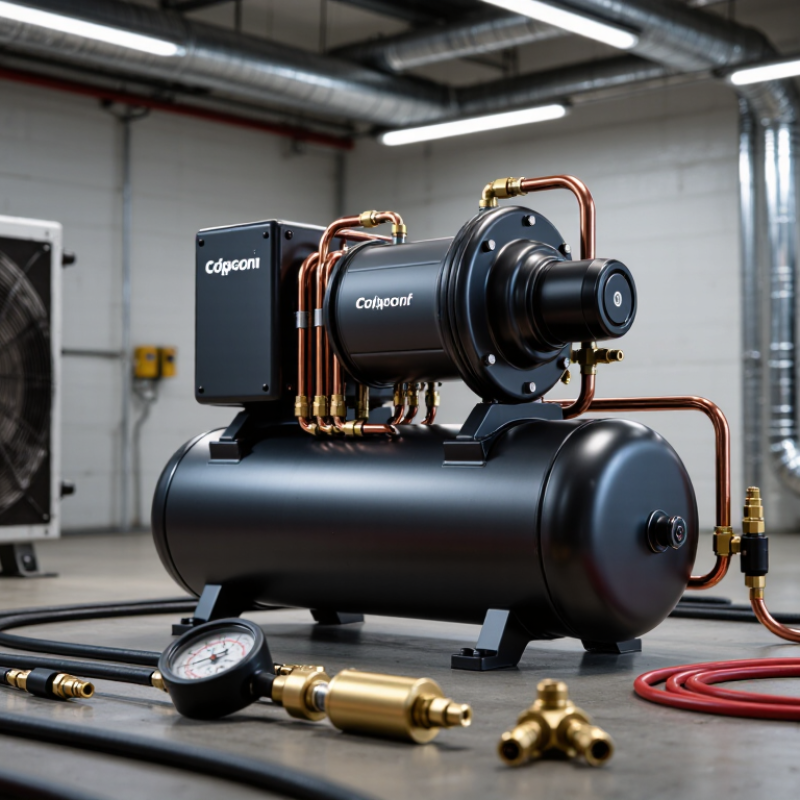
What Are the Best Copeland Scroll Compressors in 2026?

How Copeland Scroll Compressors Work

How Scroll Compressors Work

A scroll compressor uses two intermeshing spiral elements: one stays fixed, while the other orbits without spinning. Refrigerant vapor enters through the outer edge. As the orbiting scroll moves, crescent-shaped pockets carry the vapor toward the center and become smaller. Pressure rises as the trapped gas volume falls. It is a neat mechanism. The compressed vapor then leaves through a central outlet and moves into the refrigeration circuit.

An electric motor drives the orbiting motion, while lubricating oil helps protect moving surfaces. Fewer reciprocating parts can mean smoother operation, but installation and operating conditions still matter. IEA’s 2018 The Future of Cooling report projects that global energy demand for space cooling could more than triple by 2050. That is a system-level forecast, not a compressor efficiency rating. Actual performance depends on factors such as refrigerant, pressure difference, load, and heat-exchanger condition. A worn seal or restricted airflow can undermine efficiency, even when the compressor itself is sound.

Small details matter.

Which Copeland Scroll Series Serve Different HVAC Applications?

Fixed-speed scroll compressors suit small rooftop units, split systems, and steady-load commercial equipment. They are straightforward to service. Their output, however, may overshoot demand during mild weather. For larger buildings with changing occupancy, digital-capacity models can unload between full-load cycles, helping match output to rooms that fill and empty throughout the day.

Variable-speed scroll series fit heat pumps and comfort systems that need precise temperature control. They can adjust capacity as outdoor conditions shift. Tandem configurations, pairing two compressors, offer another option for larger air handlers: one compressor can run during light loads, with the second joining during peak demand. The International Energy Agency’s 2018 Future of Cooling report projects that global energy demand for space cooling will more than triple by 2050. That makes part-load efficiency worth checking, not just rated capacity. Ask for performance data at local design temperatures, sound levels, and approved refrigerant compatibility. There is no perfect match. A variable-speed unit may bring added controls and commissioning work; that trade-off is easy to underestimate. A careful selection starts with measured load profiles, not a catalog headline.

What Are the Best Scroll Compressors in 2026?

Typical operating temperature ranges help illustrate how scroll compressor configurations serve different HVAC and refrigeration applications.

Ranges are indicative design values in °C, not product specifications. Actual operating limits depend on refrigerant, system design, ambient conditions, and the compressor’s approved operating envelope.

What Factors Define the Best Models in 2026?

In 2026, the best scroll compressor is the one that fits its actual duty, not just a catalogue’s top efficiency figure. Check cooling capacity, coefficient of performance, and operating limits at the temperatures your system will face. Compare models under matching rating conditions; AHRI Standard 540 provides a framework for rating positive-displacement refrigerant compressors. Also examine refrigerant compatibility, sound levels, and expected starts per hour. Small details matter. A unit that runs quietly in a test room may sound different beside a bedroom wall.

The International Energy Agency’s The Future of Cooling report estimated that global space-cooling electricity use could rise from 2,020 TWh in 2016 to 6,200 TWh by 2050. That projection makes efficient operation important, but it does not identify one universally best compressor. Look for published performance data across realistic operating conditions, not a single peak rating. Ask how capacity changes during hot-weather operation and whether variable-speed control suits the load profile. Review service access, oil-return requirements, and warranty terms, too. These checks take time. I would still treat projected savings cautiously; installation quality and system design can erase an impressive laboratory advantage.

How Do Leading Copeland Scroll Compressors Compare?

Leading scroll compressors should be compared under identical operating conditions, not by headline capacity alone. Check rated cooling capacity, input power, coefficient of performance, refrigerant, and suction and discharge temperatures. AHRI Standard 540-2020 provides rating methods for positive-displacement compressors, helping buyers compare published performance more consistently. A higher seasonal efficiency can reduce energy use, but only when the compressor matches the system’s load profile.

Fixed-speed models often suit steady loads; variable-speed designs can adjust output as demand changes. Compare each model’s approved operating envelope, modulation range, sound data, and start-up behavior. IEA’s 2018 report, The Future of Cooling, projected that global electricity demand for space cooling could more than triple by 2050 under current policies. That makes part-load performance worth checking. Still, a lab rating cannot promise the same result in a dusty plant room with poor airflow. Real installations are messier.

Tips: Match models at your actual evaporating and condensing temperatures. Ask for certified rating data and compare annual operating hours, not just purchase price. Check service access and vibration at the mounting feet, too. One detail is easy to miss: incorrect piping can undermine a good compressor choice.

What Are the Best Scroll Compressors in 2026? — How Do Leading Scroll Compressor Types Compare?

Compressor category Typical application Capacity and control Common refrigerant considerations Main advantages Points to check
Fixed-speed air-conditioning scroll Residential and smaller commercial cooling systems Runs at a fixed speed; capacity is generally managed by cycling the compressor on and off. Compatibility depends on the exact compressor and system design. Common system refrigerants include R-410A and, in newer equipment, lower-GWP alternatives such as R-32 or R-454B. Straightforward controls, compact construction, and relatively few moving parts. Confirm approved refrigerant, voltage, operating envelope, and system match; refrigerants are not interchangeable without engineering changes.
Variable-speed air-conditioning scroll Applications with changing cooling loads, including variable-capacity residential and commercial systems An inverter varies motor speed to adjust output over a designed operating range. Use only refrigerants approved for the specific compressor, motor, drive, and system. Can improve part-load comfort and reduce cycling when correctly selected and controlled. Check drive compatibility, minimum and maximum speed limits, electrical requirements, and service procedures.
Digital or capacity-modulated scroll Commercial air conditioning and refrigeration systems requiring closer capacity matching Uses a designed modulation method to vary delivered capacity; control range and method differ by model. Refrigerant suitability is model-specific and must be verified against published ratings. Offers capacity adjustment without relying solely on frequent start-stop cycles. Review modulation limits, oil management, controller requirements, and minimum run-time guidance.
Medium-temperature refrigeration scroll Commercial coolers, display cases, and other medium-temperature refrigeration duties Available in different capacities and configurations; selection depends on evaporating and condensing conditions. Refrigeration models may be approved for refrigerants such as R-448A or R-449A; approval varies by model and application. Compact design and suitability for continuous-duty systems when applied within the rated envelope. Check design temperatures, required capacity, oil return, liquid management, and any required protection devices.
Low-temperature refrigeration scroll Freezer and other low-temperature refrigeration applications designed for scroll operation Requires a model specifically rated for the intended low evaporating temperatures and compression ratio. Confirm the approved refrigerant and operating envelope; some refrigerants require different system components or settings. Can provide a compact alternative for suitable low-temperature system designs. Verify discharge temperature limits, cooling requirements, oil return, and low-ambient operating conditions.
Parallel or tandem scroll arrangement Larger commercial systems that benefit from staged capacity or redundancy Two or more compressors operate together or in stages; total output depends on compressor selection and system controls. All compressors and system components must be approved for the selected refrigerant and operating conditions. Staging can broaden available capacity steps and may allow partial operation if one compressor is unavailable. Check oil balancing, piping layout, staging logic, protection settings, and whether the design provides true redundancy.

Selection note: These are general compressor categories, not model-specific performance claims. Capacity, efficiency, refrigerant approval, and operating limits vary by model and system. Compare certified performance data at the same rating conditions and consult the current manufacturer documentation before specifying equipment.

How to Choose the Right Copeland Scroll Compressor

Choosing the right scroll compressor starts with the system, not a model name. Match its cooling capacity to the load at your actual operating conditions, including outdoor temperature and expected suction pressure. A unit that looks adequate on a catalog chart may struggle during a hot afternoon. Check the approved refrigerant, voltage, phase, frequency, and required operating envelope before comparing options. Small mismatches matter.

Then consider how the equipment will run day to day. A fixed-speed compressor may suit a steady load, while variable-capacity operation can help where demand changes often. Review efficiency data at realistic conditions, not just the most favorable rating point. Check sound limits, physical dimensions, connection sizes, and available service access. A cramped rooftop cabinet can turn routine maintenance into a headache. It happens.

Installation details count, too. Confirm oil management, piping layout, electrical protection, and controls against the equipment documentation. For a replacement, compare the original system’s refrigerant and operating range rather than relying on physical fit alone. A qualified refrigeration technician can verify those details and identify risks before startup. Even a careful selection can miss something; site conditions are rarely as tidy as a spreadsheet.