What Are the Best Chenille Fabrics for Global Sourcing?
In the dynamic world of textile sourcing, Chenille Fabrics stand out for their unique texture and vibrant aesthetics. These fabrics are characterized by their soft pile, creating a plush feel that is both inviting and luxurious. Beyond their tactile appeal, Chenille Fabrics come in various colors and patterns, catering to diverse market demands. However, navigating the global sourcing landscape can be challenging, especially when aiming for quality and sustainability.
Understanding the best sources for Chenille Fabrics is crucial. Reliable suppliers possess the expertise and materials necessary to produce high-quality products. Yet, sourcing from global markets often presents difficulties. Factors like environmental impact, ethical labor practices, and material sourcing must not be overlooked. Evaluating these aspects is essential to ensure that the choices made align with both industry standards and consumer expectations.
The journey to find the best Chenille Fabrics is ongoing and requires careful consideration. Sourcing teams must remain vigilant, adapting to market trends while ensuring the integrity of the product. Striking the right balance between cost, quality, and ethical considerations is a continuous reflection that shapes the future of textile sourcing.
Understanding Chenille Fabric: Characteristics and Uses
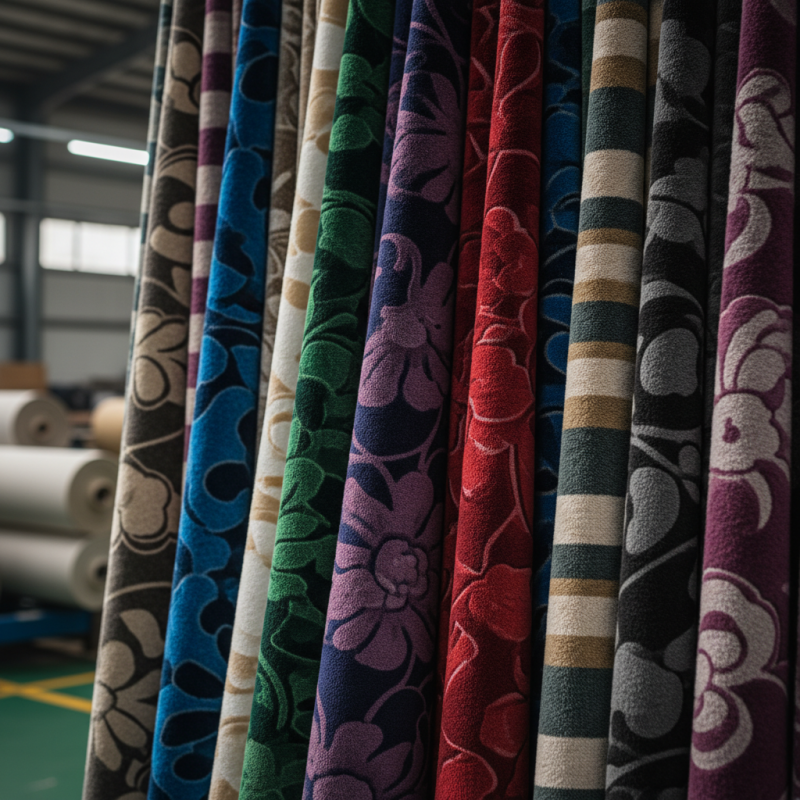
Chenille fabric is appreciated for its unique texture and comfort. Made from short, soft piles, it feels luxurious against the skin. This fabric is versatile and used in various applications. It adorns everything from cushions to clothing, giving depth and warmth to designs. The inviting nature of chenille makes it ideal for cozy home settings.
Understanding its characteristics is essential for global sourcing. Chenille can come in different fibers, such as cotton or polyester. Each type affects durability and care requirements. Cotton chenille offers breathability, but it may require more maintenance. Synthetic options, while durable, sometimes lack the same rich feel. Colorfastness and weight also play significant roles in the selection process.
While chenille is desirable, it presents challenges. Its delicate fibers can be prone to damage. Over time, wear may cause fraying or matting. Buyers should consider the intended use and look for high-quality options. A careful approach ensures the fabric retains its beauty and function. The choice of chenille impacts the final product's appeal, making thoughtful sourcing essential.
Factors to Consider When Sourcing Chenille Fabrics Globally
When sourcing chenille fabrics globally, several factors come into play. Quality is paramount. It’s vital to assess the texture and durability of the fabric. A soft, plush feel is desirable, but it should also withstand wear and tear. Consider the weight, as heavier fabrics might offer better durability but may be less versatile.
Cost is another significant factor. Suppliers may offer varied price points for similar quality. This discrepancy often reflects manufacturing processes and material sourcing. Understanding the market trends can aid in making informed decisions. Eco-friendliness is increasingly important too. Many buyers prefer fabrics that are sustainably sourced.
Logistics and lead times should not be overlooked. Different regions have unique shipping protocols and delivery times. Unexpected delays can impact your project timelines. Regular communication with suppliers helps navigate these challenges. Building a strong relationship with trustworthy providers can enhance sourcing efficiency. Ultimately, keep an open mind during the selection process. Reflect on the potential pitfalls as you explore new materials and suppliers.
Top Regions for Sourcing High-Quality Chenille Fabrics
When sourcing chenille fabrics, it's essential to identify the top regions known for their high-quality production. One of the most renowned areas is Southeast Asia, particularly India and Bangladesh. These countries have a strong textile heritage. Their skilled artisans create rich textures that enhance any fabric's appeal.
Another notable region is Eastern Europe, particularly Turkey. Turkey combines traditional techniques with modern technology. The result is durable and vibrant chenille fabrics. The country benefits from its strategic location, allowing easy access to markets in Europe and beyond.
While sourcing globally, challenges may arise. Quality consistency can vary greatly. Issues like communication gaps and cultural differences may complicate the process. It’s crucial to build strong relationships with suppliers. Conducting site visits can help ensure reliability. Adapting to different sourcing environments requires patience and understanding.
Best Chenille Fabrics for Global Sourcing
Comparing Different Types of Chenille Fabrics Available for Sourcing
Chenille fabric is cherished for its unique texture and versatility. When sourcing this material, it’s crucial to understand the different types available. Standard chenille is soft and plush, making it ideal for upholstery. This type provides a cozy feel, perfect for furniture applications. However, understanding its durability is essential, as it may not withstand heavy wear.
Another variant is lightweight chenille. This option offers a delicate touch, suitable for apparel and cushions. Its lighter weave makes it less durable, but it adds elegance to garments. When selecting lightweight chenille, verifying its resistance to fraying is important. Potential buyers should consider both aesthetics and functionality, as not all options may meet quality standards.
Lastly, blended chenille offers advantages of combining fibers. This mixture enhances durability while maintaining softness. However, sourcing blended options can be a challenge. It’s vital to request samples, as the blend ratio significantly affects texture and strength. Ensuring consistency across batches can be a trial. Evaluating each type based on specific project needs leads to better sourcing decisions.
What Are the Best Chenille Fabrics for Global Sourcing? - Comparing Different Types of Chenille Fabrics Available for Sourcing
| Type of Chenille Fabric | Material Composition | Usage | Durability | Price Range (per yard) |
| Traditional Chenille | Cotton, Polyester blend | Upholstery, Drapery | Medium | $10 - $15 |
| Micro Chenille | Polyester | Throws, Cushions | High | $8 - $12 |
| Textured Chenille | Acrylic, Nylon | Coats, Apparel | Medium | $14 - $18 |
| Velvet Chenille | Silk, Polyester blend | Luxury Upholstery, Fashion | High | $20 - $30 |
| Eco-Friendly Chenille | Recycled Materials | Sustainable Upholstery, Home Decor | Medium | $12 - $16 |
Sustainability and Ethical Practices in Chenille Fabric Production
Sustainability and ethical practices in chenille fabric production have become essential to the textile industry. With the global market projected to reach $22.5 billion by 2026, stakeholders are prioritizing eco-friendly materials and processes. Conventional production methods often lead to waste and pollution. However, recent innovations are changing this narrative. For instance, using recycled fibers reduces environmental impact significantly. According to the Textile Exchange, using recycled polyester can cut energy consumption by up to 70%.
Chenille fabrics can look luxurious while being sustainable. Choosing suppliers that adopt responsible sourcing practices is crucial. Certifications like GOTS (Global Organic Textile Standard) ensure that the fabric is organically produced. By supporting brands that prioritize sustainability, consumers influence the entire supply chain positively. Yet, many suppliers still struggle with transparency. This gap presents an opportunity for industry-wide improvement. Companies must ensure that their claims align with their practices.
Tip: Look for certifications on fabric labels to verify sustainable sourcing.
Moreover, ethical labor practices are equally important in chenille fabric production. Brands need to ensure fair labor conditions and wages throughout their supply chain. The Fair Trade certification can be a valuable indicator. However, not all brands adhere to these standards, making consumer education imperative in fostering responsible buying habits.
Tip: Research suppliers online and check for sustainability reports.



 Distributors
  SDS Download
  Contact