What Are the Best BBQ Smoker Types for Your Next Grill?
When it comes to grilling, selecting the best bbq smoker types can elevate your outdoor cooking experience. Each type offers unique features that can enhance flavor and tenderness. Through experience, many grill enthusiasts can attest to the importance of choosing the right smoker for various meats and occasions.
Understanding the various bbq smoker types is essential for novice and seasoned grillers alike. Whether you prefer charcoal, electric, or offset smokers, each type brings something special. The art of smoking meat requires not just the right equipment, but also knowledge of temperature control and smoke management. It’s a journey filled with experimentation and learning, highlighting the beauty of BBQ culture.
There is no perfect smoker for everyone. Each has its pros and cons that can lead to frustration or success. Some people may struggle with mastering a specific smoker type, while others thrive. Ultimately, finding the right BBQ smoker type is about personal preference and adapting to your cooking style.
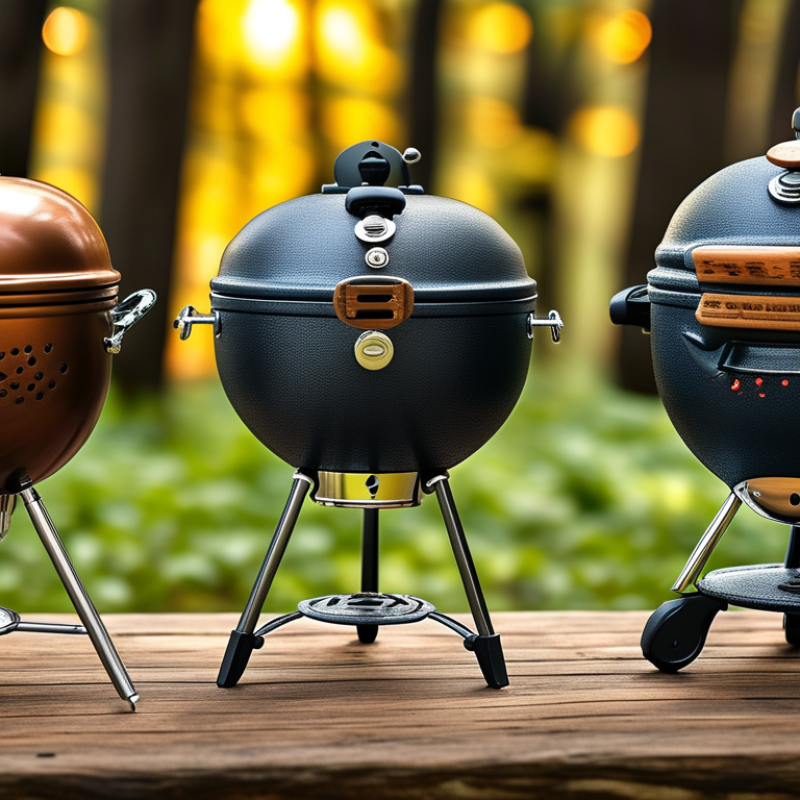
Types of BBQ Smokers: An Overview of Your Options
When it comes to BBQ smokers, understanding the options is crucial for creating the perfect meal. There are several different types of smokers, each with unique features. Offset smokers are popular for their ability to produce rich flavors. They work by using an offset firebox to create heat and smoke. This method can require some skill, as maintaining consistent temperatures is key.
Another option is the vertical smoker. This design allows for vertical stacking of meat, maximizing space. These smokers can be easier for beginners. They often include water pans to help regulate temperature. However, some users find that they need to monitor the moisture levels closely.
Electric smokers are a favorite for convenience. They allow for precise temperature control, making them user-friendly. However, some purists might argue that they lack the authentic smoky flavor achieved through traditional methods. Understanding these nuances can help you make an informed choice. Each smoker type has its advantages and challenges, and your choice will depend on your cooking style and preferences.
Understanding the Differences Between Offset and Vertical Smokers
When choosing a smoker, understanding the types can significantly impact your grilling experience. Offset smokers are popular for their design. They have a separate firebox that provides indirect heat. This system allows for consistent temperature control. The smoke flavor is deep and rich, ideal for meats like brisket and ribs. However, managing temperatures can be tricky. Skill and experience are essential to get it right.
Vertical smokers, on the other hand, offer a different kind of appeal. They utilize a more compact design, often using various racks to stack food vertically. This setup is excellent for those who may have limited space. Vertical smokers tend to be easier to use for beginners. They require less supervision. Yet, some may argue that the smoke flavor is less intense compared to offset smokers.
Both smoker types have their strengths and weaknesses. It’s crucial to consider what you value in barbecue. Whether you prefer the deep smoke flavor or the ease of use, both can produce delicious meals. Each type requires practice and patience, which can lead to personal growth in your grilling journey. Reflecting on your grilling style can guide your choice.
Exploring Electric Smokers: Pros and Cons for BBQ Enthusiasts
Electric smokers are popular among BBQ enthusiasts for their convenience. They maintain consistent temperatures. This feature ensures even cooking for meats, which is critical for flavor. According to the National Barbecue Association, 24% of BBQ users prefer electric smokers. This preference stems from their ease of use.
However, there are downsides to electric smokers. They may not provide the deep, smoky flavor that traditional wood or charcoal smokers offer. Many BBQ purists argue that electric models lack authenticity. Users might feel a disconnect from the cooking process when relying on automation. Despite these opinions, electric smokers often outperform in versatility. They can easily handle different scenarios, from slow smoking ribs to cooking a brisket.
Electric smokers also require limited oversight, allowing users to multitask during a cookout. While they may not satisfy every BBQ lover, they appeal to those seeking convenience. As reported by IBISWorld, electric smoker sales have grown steadily, showcasing a shift in consumer preferences. Ultimately, every BBQ enthusiast must weigh the pros and cons based on taste, time, and their grilling goals.
Charcoal vs. Wood Smokers: Which is Best for Your Grilling Style?
When deciding between charcoal and wood smokers, both offer unique flavors and experiences. Charcoal smokers ignite easily and maintain consistent heat. They’re great for those who appreciate smoky flavor without much fuss. Charcoal provides a reliable cooking method, but enthusiasts may find it lacking in some nuances compared to wood.
Wood smokers, on the other hand, require more attention. Each type of wood imparts distinct flavors to the meat. Oak, hickory, or cherry can transform your dish in dazzling ways. But, they can be tricky to master. Controlling smoke levels and temperature takes practice and patience. If you love experimenting, wood smokers might be your best ally.
Tips: Always soak your wood chips before using them. This helps produce a steady smoke rather than bursts. Also, maintain a clean firebox. A clean smoker ensures optimal airflow. Finally, take notes during your grilling sessions. Understanding what works best for your taste can fine-tune your grilling style over time.
Key Features to Consider When Choosing a BBQ Smoker
When choosing a BBQ smoker, consider the cooking style. Offset smokers work well for slow-cooking. They create smoky, intense flavors. Vertical smokers are perfect for limited space. They cook food evenly on multiple racks. Consider how much food you plan to smoke.
Material plays a crucial role. Steel smokers provide durability and heat retention. Look for thick walls, as they hold temperature well. On the other hand, lightweight materials may warp over time. Always check the smoker's insulation. Good insulation keeps the temperature stable, enhancing flavor.
Don't ignore the ease of use. A smoker with an intuitive design can make a significant difference. Controls should be accessible and simple. Additionally, consider cleaning features. An easy-to-clean smoker saves time. Maintenance should be straightforward to ensure longevity. Reflect on your skill level. A complex smoker may frustrate a beginner but excite an experienced griller.
Best BBQ Smoker Types: Key Features Comparison



 Distributors
  SDS Download
  Contact