10 Best Axial Piston Pumps for Global Buyers
Selecting an Axial Piston Pump is not a catalogue exercise alone. Buyers must match displacement, operating pressure, speed, control type, and fluid requirements to the machine’s real duty cycle. A pump rated for high pressure may still disappoint if it runs hot, cycles frequently, or receives inconsistent maintenance. Small details matter: a cold start, a blocked filter, or a few extra minutes at peak load can change performance.
Hydraulic application engineer Alex Morgan is used here as an illustrative editorial voice, not as a verified interview source. The guide’s practical rule is: “Choose for the working cycle, not the headline rating.” That distinction helps global buyers compare manufacturers without treating one specification as the whole story. It also keeps attention on service support, spare-part access, documentation, and compatibility with the wider hydraulic system. Not glamorous. Still important.
This list of 10 leading Axial Piston Pump options is intended to help buyers ask sharper questions across different applications and markets. It considers technical capability alongside reliability, configuration choices, and supplier support. Product availability and service coverage can vary by region, so specifications should be checked directly with manufacturers or authorized distributors. A ranking cannot replace engineering review. And some trade-offs remain: compact designs may limit service access, while broader control options can add setup complexity. The right choice depends on the work, the operating environment, and the support available after delivery.
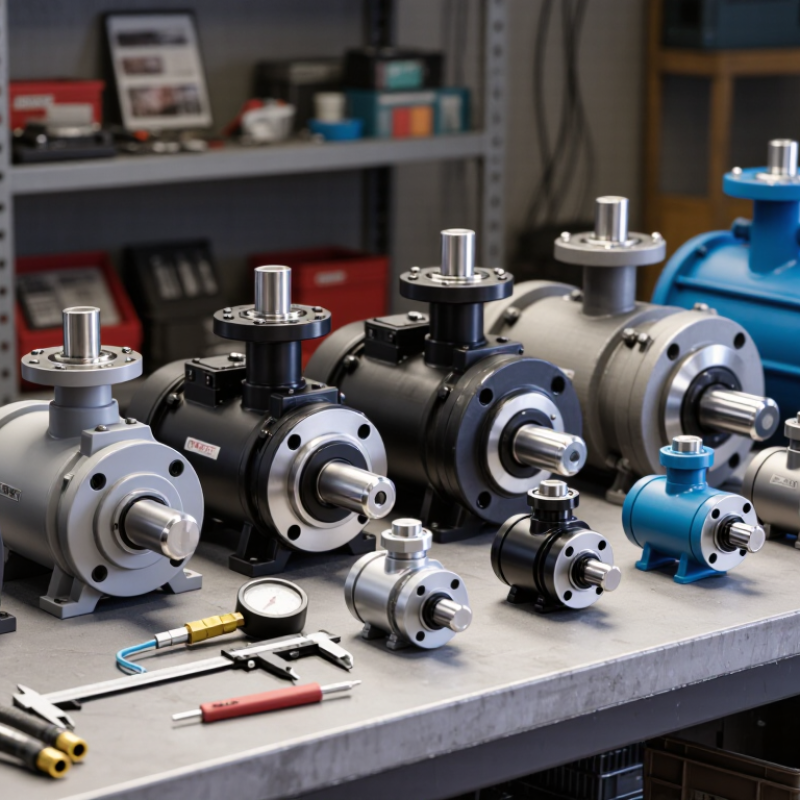
How Axial Piston Pumps Work and Where They Are Used
An axial piston pump converts shaft rotation into hydraulic flow. Inside its cylinder block, several pistons move parallel to the drive shaft. A tilted swash plate pushes them in and out as the block turns. Each piston draws fluid through an inlet port, then forces it toward the outlet. The cycle repeats continuously. Simple in principle.
Changing the swash plate angle changes piston stroke and pump displacement. This lets a variable-displacement pump adjust flow to match demand, rather than sending maximum flow all the time. Pressure-compensated controls can reduce displacement as system pressure rises. In practice, control settings, fluid cleanliness, and operating temperature all affect performance. A tidy diagram cannot show every service problem.
These pumps are common in mobile machinery, such as excavators and agricultural equipment, and in industrial presses and injection-molding machines. Their compact size and ability to deliver high pressure suit applications with demanding loads. Grand View Research’s Hydraulic Pumps Market Size, Share & Trends Analysis Report estimated the global hydraulic pump market at about US$10.6 billion in 2023. That figure covers hydraulic pump types broadly, not axial piston pumps alone. It signals a sizeable equipment market, but does not tell buyers which design fits a particular duty cycle. Check the required flow, pressure, speed, and maintenance conditions before selecting a pump.
Key Criteria for Evaluating Axial Piston Pumps
Start with the machine’s real duty cycle, not its peak-pressure figure. Record required flow, operating pressure, shaft speed, and hours at each load. A pump sized only for maximum demand may waste power during routine work. Check whether displacement is fixed or variable, and confirm the control response suits the machine. Fast changes matter. Excavators and presses, for example, place different demands on pressure response and low-speed stability.
Compare volumetric and mechanical efficiency across the expected operating range, rather than relying on one headline value. Heat, noise, and case-drain flow can reveal losses during a controlled test. Verify the specified fluid type, viscosity range, filtration level, and inlet conditions; poor suction can cause cavitation and shorten service life. Check shaft, flange, and port dimensions against the installation drawing. Small mismatches become expensive.
Durability depends on duty cycle, fluid cleanliness, operating temperature, and maintenance access. Ask for performance curves, pressure limits, speed limits, and test conditions—not just a catalog rating. Specifications can look complete while omitting transient behavior or low-speed performance. That gap deserves a question. Measure it under load. Also confirm spare-part availability, service documentation, and technical support in the regions where the equipment will operate. A careful comparison may take longer, but it can prevent avoidable downtime.
Ten Axial Piston Pumps for Global Buyers
For global buyers, the best axial piston pump depends on duty cycle, fluid cleanliness, control needs, and local service support. Grand View Research’s Hydraulic Pumps Market Size, Share & Trends Analysis Report estimated the overall market at USD 10.3 billion in 2022, with projected growth through 2030. That figure covers hydraulic pumps broadly, not axial piston pumps alone. Fit matters.
A practical shortlist includes ten configurations: variable-displacement open-circuit, closed-circuit, load-sensing, pressure-compensated, and electronically controlled pumps. Also compare bent-axis, swash-plate, compact high-pressure, low-noise, and tandem-section designs. Each suits a different operating envelope; a tandem unit, for example, can supply separate circuits from one drive. Check rated pressure, flow at operating speed, shaft compatibility, and case-drain limits against the machine’s actual duty. Ask suppliers for performance curves, not just maximum-pressure figures. In the field, hot oil, cold starts, and fine contamination can change response and service life. ISO 4406 cleanliness codes help buyers specify fluid cleanliness consistently. No list replaces a duty-cycle review, and published efficiency figures may not match a real installation. A test under representative load is worth arranging before purchase.
Comparing Pump Designs, Performance, and Applications
Axial piston pumps differ most in their rotating group, displacement control, and circuit design. Swashplate models are often compact and can offer variable displacement, making them useful in mobile machinery with changing flow demands. Bent-axis designs can suit higher-speed or high-pressure duties, though installation space and service access matter. Fixed-displacement pumps provide steady output; variable-displacement units adjust delivery to match system demand. Not every machine needs that flexibility.
Performance depends on more than the pump’s rated pressure. Check flow at the intended operating speed, inlet conditions, fluid viscosity, and expected duty cycle. Heat is a practical warning sign: sustained high temperatures can point to excess losses, poor cooling, or an unsuitable operating point. Noise and vibration also deserve attention. A catalog rating alone is not enough.
Applications range from excavators and agricultural equipment to industrial presses and hydrostatic drives. For global buyers, compare control options, shaft and port configurations, replacement-part availability, and documentation in the languages your maintenance team uses. Harsh dust, cold starts, and limited service access can change the best choice. I would double-check the duty cycle before selecting a model; that detail is easy to underestimate. Specifications can look clear on paper, yet real operating conditions rarely stay perfect.
10 Best Axial Piston Pumps for Global Buyers — Comparing Pump Designs, Performance, and Applications
Indicative working-pressure ranges for common axial piston pump designs (MPa). These are general reference ranges, not model-specific ratings or a ranking; actual limits vary by manufacturer and operating conditions.
Higher-pressure designs are often selected for demanding mobile and industrial hydraulic systems. Consider circuit type, control options, flow requirements, and duty cycle alongside pressure when comparing pumps.
Selecting a Pump for Local System and Service Needs
Choosing an axial piston pump starts with the machine around it, not a catalog ranking. Check required flow, operating pressure, shaft speed, and duty cycle against the system’s real working conditions. A unit sized for peak demand may run inefficiently during long periods of lighter work. Measure available mounting space and confirm shaft, port, and control compatibility before ordering. Small mismatches can mean costly rework.
Local service matters just as much. Ask whether trained technicians can inspect the pump nearby and how quickly common seals or replacement parts can arrive. In remote areas, a familiar control setup and clear service documentation may be more useful than an extra feature. Also consider fluid cleanliness, expected oil temperature, and the filtration already installed. These details affect reliability, but they are easy to overlook. Even a careful checklist can miss a fitting difference. Confirm dimensions against the equipment, not just an old parts list.
Compare suppliers using the same operating data and request written performance details for your intended conditions. A technically suitable pump may still be a poor choice if local repair support is limited. Be candid about uncertainty: actual loads can differ from estimates, especially on machines with changing attachments or work cycles. Leave room to verify those assumptions before committing.



 Distributors
 SDS Download
 Contact
